 Save
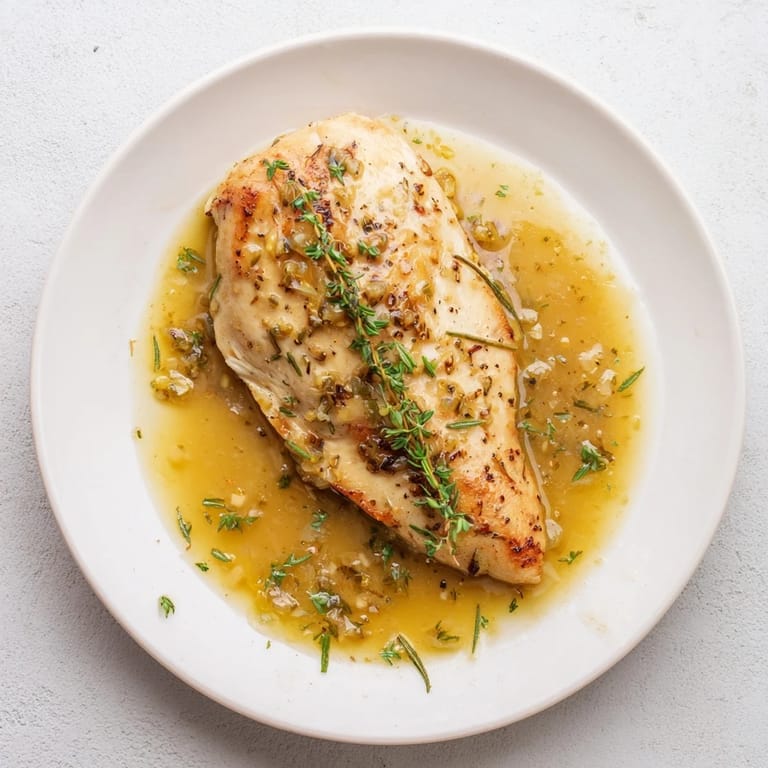
Save The smell of garlic hitting a hot skillet always reminds me why I keep cooking, even on the kind of Tuesday that feels like it might never end. This honey Dijon chicken became my answer to those evenings when I wanted something that tasted like I tried, without actually having to try that hard. The sauce bubbles up glossy and golden, clinging to the chicken in a way that makes even plain rice feel like a small celebration. I stumbled onto this combination after running out of my usual lemon, and now I reach for the honey jar on purpose. It just works.
I made this for my neighbor after she had surgery, and she texted me three days later asking for the recipe, which felt better than any cooking show compliment ever could. My kids, who usually treat chicken breast like a punishment, started asking when wed have it again. Theres something about the way the mustard mellows in the pan, turning from sharp to almost creamy, that sneaks past even the pickiest eaters. I served it over mashed potatoes that time, and the sauce pooled into the valleys like liquid gold. It became the kind of dinner that people remember, not because its complicated, but because it just tastes right.
Ingredients
- Boneless, skinless chicken breasts (about 1½ lbs / 700 g): Pat these completely dry before seasoning or theyll steam instead of sear, and that golden crust is where half the flavor lives.
- Dijon mustard (1/3 cup): This is your flavor backbone, tangy and smooth, and it emulsifies the sauce so everything clings to the chicken instead of sliding off.
- Honey (1/4 cup): Balances the mustards sharpness with just enough sweetness, and it helps the sauce caramelize slightly as it reduces.
- Whole-grain mustard (2 tablespoons): Adds little bursts of texture and a deeper, earthier mustard flavor that makes the sauce feel more complex than it really is.
- Garlic (3 cloves, minced): Blooms in the hot skillet and perfumes the entire dish, but watch it closely so it doesnt burn and turn bitter.
- Apple cider vinegar (1 tablespoon): Cuts through the richness and brightens everything up, keeping the sauce from feeling too heavy or one-note.
- Low-sodium chicken broth (1/2 cup): Loosens the sauce and gives it body, plus you control the salt level instead of letting store-bought broth do it for you.
- Fresh thyme (1 teaspoon) and rosemary (1 teaspoon, finely chopped): These herbs make the kitchen smell like youve been cooking all day, and they add a subtle woodsy note that rounds out the honey and mustard.
- Kosher salt (1/2 teaspoon) and black pepper (1/4 teaspoon): Season the chicken before it hits the pan so the flavor goes all the way through, not just on the surface.
- Olive oil (2 tablespoons): Gets the skillet hot enough to sear the chicken properly, creating that golden crust that locks in moisture.
- Fresh parsley (optional, for garnish): A handful of chopped parsley at the end makes everything look brighter and adds a fresh contrast to the rich sauce.
Tired of Takeout? 🥡
Get 10 meals you can make faster than delivery arrives. Seriously.
One email. No spam. Unsubscribe anytime.
Instructions
- Prep the Chicken:
- Pat the chicken breasts completely dry with paper towels, then season both sides generously with salt and pepper. Dry chicken sears better and develops that golden crust youre after.
- Sear the Chicken:
- Heat the olive oil in a large skillet over medium-high heat until it shimmers, then add the chicken breasts and let them sear undisturbed for 3 to 4 minutes per side until deeply golden. Transfer them to a plate and dont worry that theyre not cooked through yet.
- Build the Sauce Base:
- Lower the heat to medium and add the minced garlic to the same skillet, stirring for about 30 seconds until it smells fragrant and toasty. Be careful not to let it brown too much or itll turn bitter.
- Whisk in the Sauce:
- Add the Dijon mustard, whole-grain mustard, honey, apple cider vinegar, and chicken broth, whisking everything together until smooth. Let it come to a gentle simmer so the flavors start to meld.
- Add Herbs and Chicken:
- Stir in the thyme and rosemary, then nestle the seared chicken breasts back into the skillet, spooning some of the sauce over the tops. The herbs will perfume the sauce as everything cooks together.
- Simmer Until Cooked:
- Cover the skillet and let the chicken simmer gently for 10 to 12 minutes, until the internal temperature reaches 165°F. The sauce will bubble around the edges and the chicken will finish cooking through without drying out.
- Thicken the Sauce:
- Remove the lid, increase the heat slightly, and let the sauce simmer uncovered for 2 to 3 minutes, stirring occasionally. It will reduce and thicken just enough to coat the back of a spoon.
- Garnish and Serve:
- Sprinkle with chopped fresh parsley if you have it, then serve the chicken with plenty of that glossy sauce spooned over the top. It deserves to be the star.
 Save
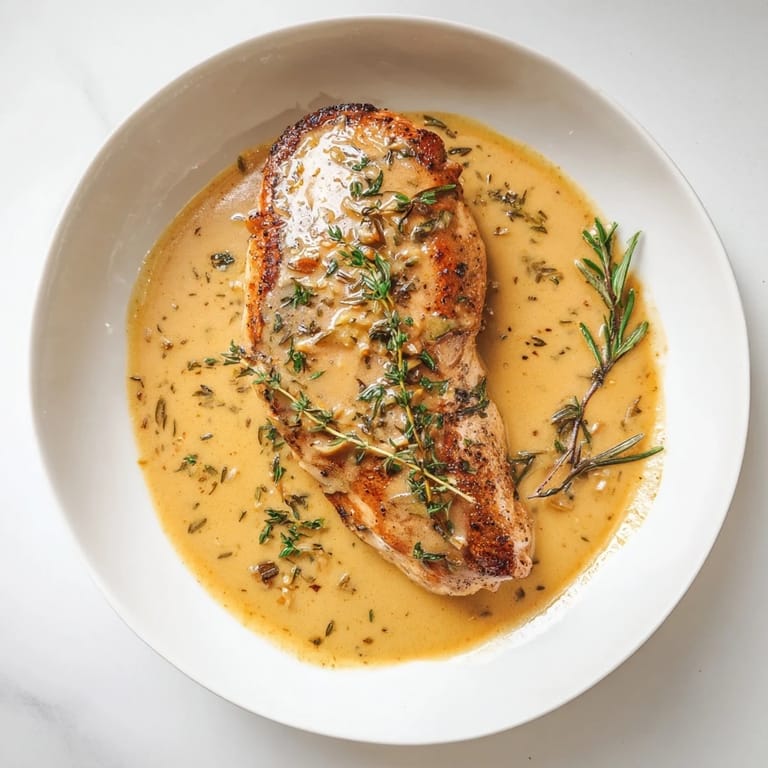
Save The first time I plated this and saw the way the sauce pooled around the chicken, catching the light like amber, I realized it didnt need anything fancy to feel special. My partner took one bite, paused, and said it tasted like something youd order on a date, which is the kind of compliment that makes you want to cook again tomorrow. We ate it with roasted green beans and a cheap bottle of white wine, and it felt like we were getting away with something. Sometimes the best meals are the ones that surprise you by being exactly enough.
Serving Suggestions
This chicken begs for something to soak up all that sauce, and Ive never regretted serving it over buttery mashed potatoes or fluffy white rice. Roasted vegetables like Brussels sprouts, carrots, or asparagus add a nice charred contrast to the sweetness of the honey. A simple green salad with a tart vinaigrette cuts through the richness and keeps the meal from feeling too heavy. If youre feeling indulgent, crusty bread for dipping into the leftover sauce is absolutely worth it.
Make-Ahead and Storage Tips
You can sear the chicken and make the sauce a few hours ahead, then just reheat everything gently in the skillet before serving, adding a splash of broth if the sauce has thickened too much. Leftovers keep in an airtight container in the fridge for up to three days, and they reheat beautifully in a covered skillet over low heat. I sometimes shred the leftover chicken and toss it with the sauce over pasta or stuff it into a wrap with greens, and it feels like a completely new meal. The sauce also freezes well for up to two months, though I rarely have any left to freeze.
Variations and Swaps
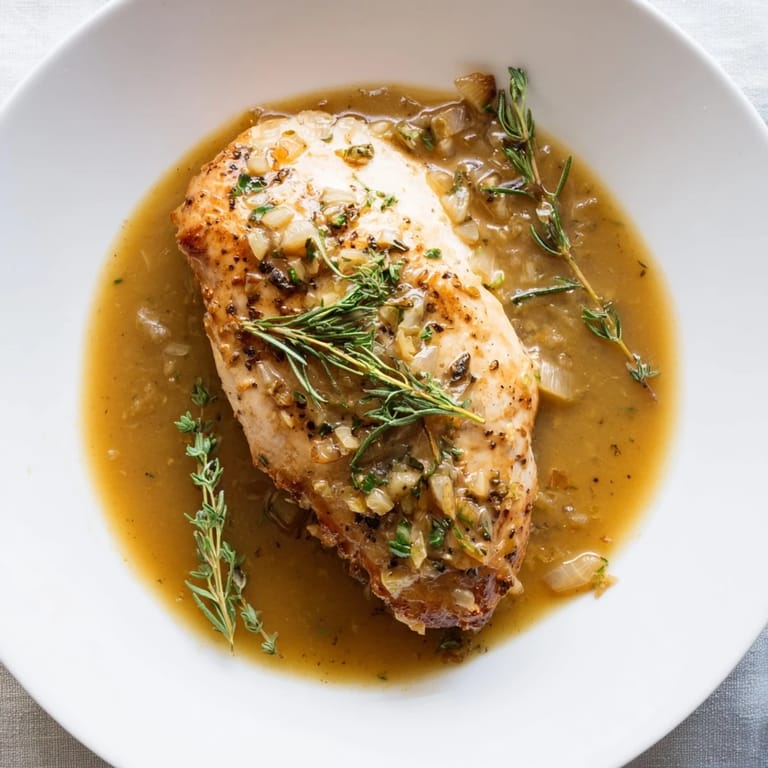
Chicken thighs work beautifully here if you want something even juicier and more forgiving, just add a couple extra minutes to the cooking time. For a creamier sauce, stir in a couple tablespoons of heavy cream or crème fraîche at the very end, and it turns almost velvety. If you want a little heat, a pinch of red pepper flakes or a teaspoon of hot honey amps things up without overwhelming the balance. You can also swap the thyme and rosemary for tarragon or sage, depending on what youre in the mood for.
- Try adding a handful of spinach or kale in the last few minutes of cooking for some greens that wilt right into the sauce.
- A squeeze of fresh lemon juice at the end brightens everything up if you want a little extra zing.
- Swap apple cider vinegar for white wine vinegar or even a splash of white wine for a slightly different tang.
 Save
Save This is the kind of recipe that makes weeknight cooking feel less like a chore and more like taking care of yourself and the people you feed. It doesnt ask for much, but it gives back plenty, and thats all I really want from dinner.
Recipe Help
- → Can I use chicken thighs instead of breasts?
Yes, chicken thighs work wonderfully and offer extra juiciness. Increase the simmering time to 15-18 minutes to ensure they cook through completely.
- → How do I know when the chicken is fully cooked?
The safest method is using a meat thermometer to check that the internal temperature reaches 165°F (74°C). Alternatively, pierce the thickest part with a fork—juices should run clear with no pink.
- → What sides pair best with this dish?
This versatile skillet pairs beautifully with fluffy rice, creamy mashed potatoes, roasted vegetables, or a fresh green salad. The tangy sauce complements most starches and vegetables.
- → How can I make the sauce thicker?
Simmer the sauce uncovered for an additional 3-5 minutes after the chicken finishes cooking. For a creamier consistency, stir in 2 tablespoons of heavy cream during the final minute of cooking.
- → Is this dish truly gluten-free?
As written, yes. However, both Dijon mustard and chicken broth can contain hidden gluten. Always check product labels carefully and opt for certified gluten-free versions if needed.
- → Can I prepare this ahead of time?
You can prepare the sauce components in advance, but cook the chicken fresh for optimal texture and juiciness. Leftover skillet keeps refrigerated for up to 3 days and reheats well on the stovetop.