 Save
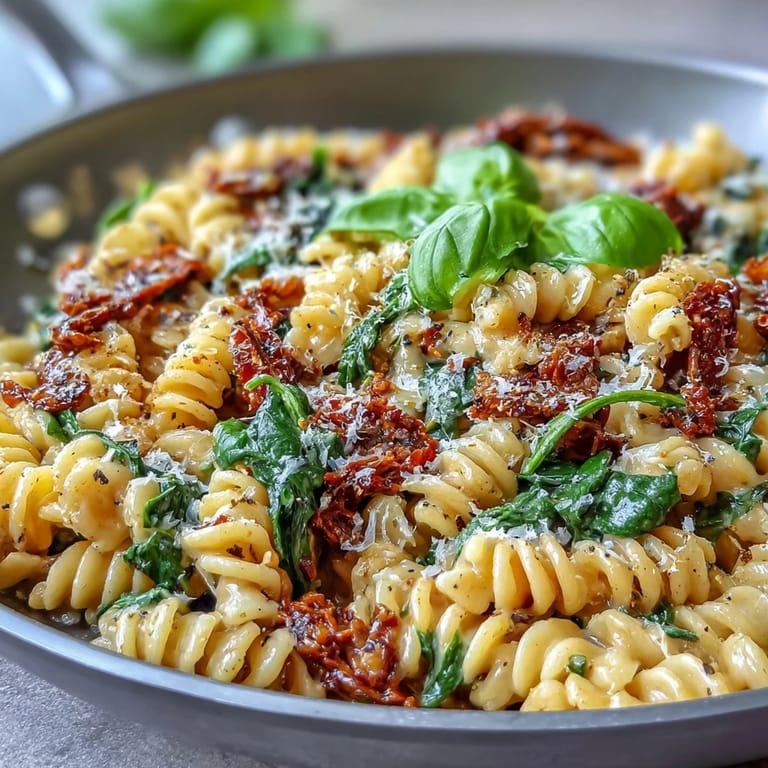
Save Some dishes seem to fill the kitchen with the energy of a late summer evening, and this One-Pot Tuscan Pasta always does just that for me. The sizzle of garlic hitting oil and the mellow scent of white wine mingling with sun-dried tomatoes never fails to stir up my appetite. It was a recipe I happened upon while improvising with what was left in my pantry one busy weeknight. The fact that everything comes together in a single, deep skillet feels like a little victory, especially on days when the thought of washing a pile of dishes is too much. Each time I cook it, the transformation of simple ingredients into a creamy, luxurious dish still manages to surprise me.
Last spring on one of those evenings when the rain kept everyone indoors, I made this pasta for a friend who’d had a dreadful day. The steam rising from the pan and the swirl of Parmesan into the sauce turned the room from dreary to cozy so quickly, it almost felt like a little trick of Italian magic.
Ingredients
- Pasta (350 g / 12 oz penne or fusilli): Pasta shape is totally up to you, but penne or fusilli catch the sauce beautifully and don’t oversoften even when simmered together.
- Baby spinach (150 g / 5 oz): I love how fresh spinach wilts into silky ribbons—just toss it in near the end so it keeps its color.
- Sun-dried tomatoes in oil (100 g / 3.5 oz), drained and sliced: Their tangy, concentrated flavor brings a sunny brightness and depth you can’t get from fresh tomatoes.
- Yellow onion (1 medium), finely chopped: Sautéing the onion first gives a mellow, sweet base I’ve found indispensable for this sauce.
- Garlic (3 cloves), minced: I always grate or mince just before adding so that punchy aroma comes through in every bite.
- Heavy cream (120 ml / ½ cup): The secret to achieving that luscious, restaurant-style sauce; if you want to go lighter, half-and-half is a safe bet.
- Grated Parmesan cheese (60 g / ½ cup): Use freshly grated if you can—the flavor is sharper and melts like a dream.
- Dry white wine (120 ml / ½ cup): A crisp white cuts through the richness and makes the kitchen smell like an Italian trattoria; let it simmer so the sharpness mellows out.
- Vegetable broth (750 ml / 3 cups): Cooking the pasta right in broth infuses it with savory flavor, I always find water turns out bland in comparison.
- Olive oil (2 tbsp): Go for extra virgin if you have it—the peppery notes come through when you sauté.
- Dried Italian herbs (½ tsp): This blend ties the flavors together; I like to rub the herbs a bit between my fingers before adding for extra intensity.
- Red pepper flakes (¼ tsp, optional): If you like a subtle background heat, a pinch does wonders.
- Salt and black pepper, to taste: Season gradually and always taste at the end—Parmesan adds some saltiness, so it’s easy to go overboard.
Tired of Takeout? 🥡
Get 10 meals you can make faster than delivery arrives. Seriously.
One email. No spam. Unsubscribe anytime.
Instructions
- Sauté Your Base:
- Heat olive oil in your largest skillet and toss in the chopped onion. Stir until the onion goes soft and translucent, releasing that sweet smell that feels like the start of something good.
- Add Garlic and Tomatoes:
- Stir in the minced garlic and sliced sun-dried tomatoes, and let them cook until the tomatoes look glossy and the garlic smells irresistible—but not burned.
- Deglaze With Wine:
- Pour in the white wine and listen for the sizzle; let it bubble so the sharpness fades and you catch a mellow aroma.
- Combine Pasta and Liquids:
- Add the uncooked pasta, vegetable broth, Italian herbs, red pepper flakes if using, and a bit of salt and pepper. Stir well to make sure everything is nestled in and coated, then bring it all to a gentle boil.
- Simmer to Perfection:
- Lower the heat and cover. Stir every few minutes and watch for the pasta to cook through and the liquid to become silky and slightly thick.
- Creamy Finish:
- Uncover the pan and add the heavy cream and baby spinach. Stir as the spinach wilts and the sauce turns creamy, another two to three minutes.
- Cheese and Serve:
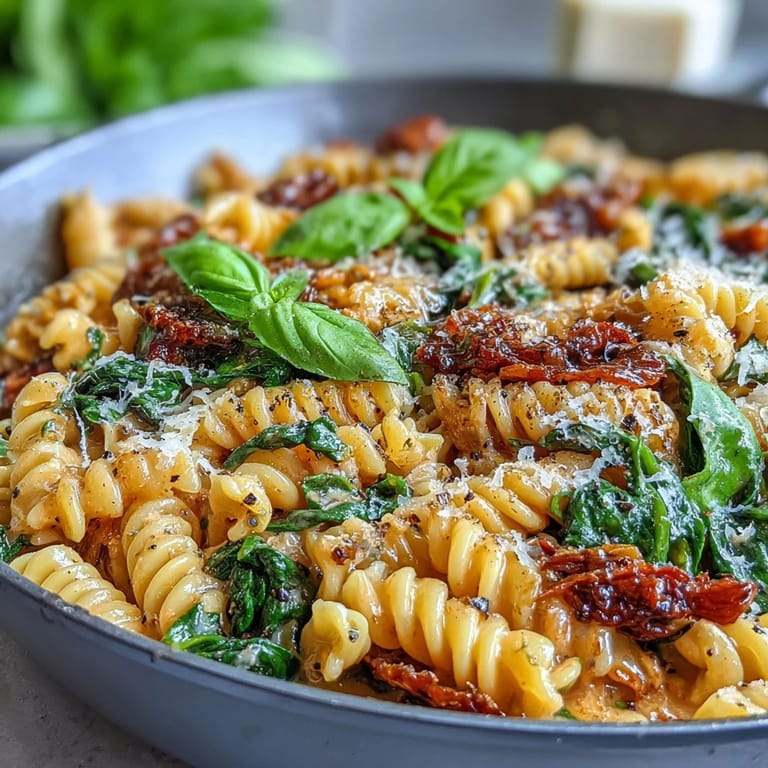
- Take the pan off the heat, sprinkle over the Parmesan, and stir until everything is glossy and smooth. Taste for seasoning, then top with a little extra cheese or basil if you like, and serve right away.
 Save
Save I’ll always remember when my neighbor wandered in, drawn by the smell, and we ended up sharing this pasta straight from the pan, plates forgotten. Something about creamy sauce and laughter over the stove turns dinner into an impromptu celebration every time.
Making It Your Own
The beauty of this pasta is how forgiving it is—you can swap spinach for kale, toss in a handful of peas, or add white beans for protein and heartiness. The base flavors play well with anything you have on hand, and there’s a kind of freedom in knowing it will turn out delicious even if you improvise.
What to Serve With One-Pot Tuscan Pasta
When I serve this on quiet nights in, a hunk of crusty bread to mop up the creamy sauce is never optional in my house. Sometimes a simple side salad with a squeeze of lemon is all you need to cut through the richness and make it feel like a full meal.
Kitchen Clean-Up Strategies
One-pot dinners like this are my ace in the hole for evenings when I’m feeling a little lazy but still want something special. All you really need is the big skillet and a trusty wooden spoon—no mountain of pots threatening from the sink tonight.
- Wipe down the stove while the pasta simmers to keep the kitchen stress-free.
- If anything sticks to the pan, soak it with hot water—a trick I picked up after far too many scrubbing sessions.
- Leftovers reheat beautifully with a splash of cream or broth to restore silkiness.
 Save
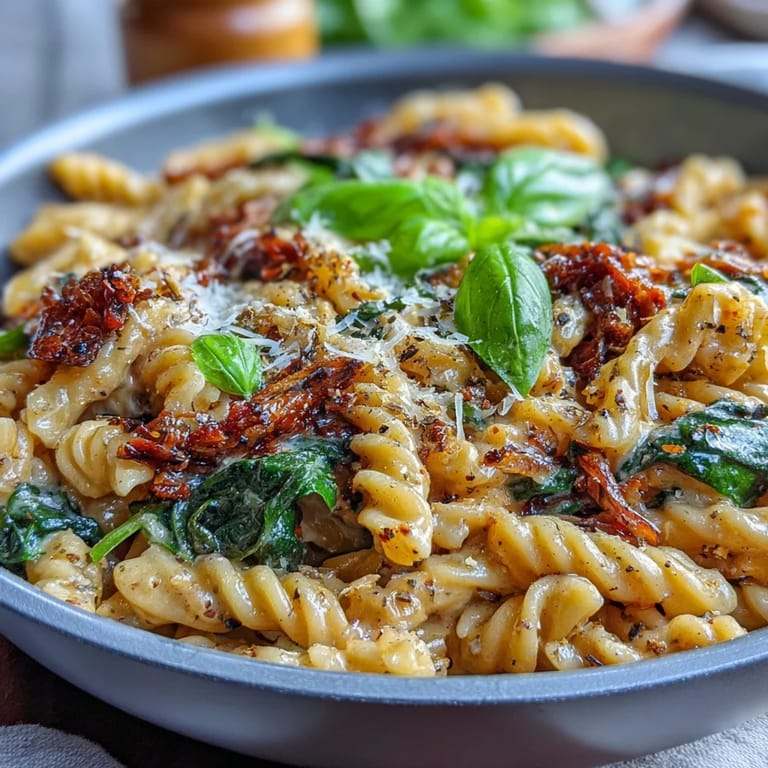
Save I hope this simple skillet pasta brings you both comfort and deliciousness, whether you serve it to friends or enjoy it for a cozy night alone. Sometimes, it’s the easiest meals that create the best kind of memories.
Recipe Help
- → Can I use a different pasta shape?
Yes. Penne or fusilli hold the sauce well, but rigatoni, ziti, or shells work too. Adjust the cooking time slightly if shapes are larger or thinner to keep pasta al dente.
- → What kind of wine is best for the sauce?
Use a dry white like Pinot Grigio or Sauvignon Blanc. Add it early to cook off alcohol and concentrate flavor; a splash brightens the sauce without overpowering the tomatoes and cream.
- → How can I make it lighter?
Swap heavy cream for half-and-half or a lower-fat milk thickened with a touch of cornstarch. Reduce the Parmesan or use a lighter cheese to cut richness while keeping a creamy texture.
- → When should I add extra protein?
Add cooked chicken, shrimp, or white beans after the pasta has finished simmering and just before the final cream and cheese step so the protein warms through without overcooking.
- → How should I store and reheat leftovers?
Cool and refrigerate in an airtight container for up to 3–4 days. Reheat gently on the stove with a splash of broth or cream to loosen the sauce and restore creaminess.
- → What are good allergen-friendly swaps?
Use gluten-free pasta and plant-based cream and cheese alternatives. Nutritional yeast adds savory depth if you skip Parmesan; always check labels for hidden allergens.