 Save
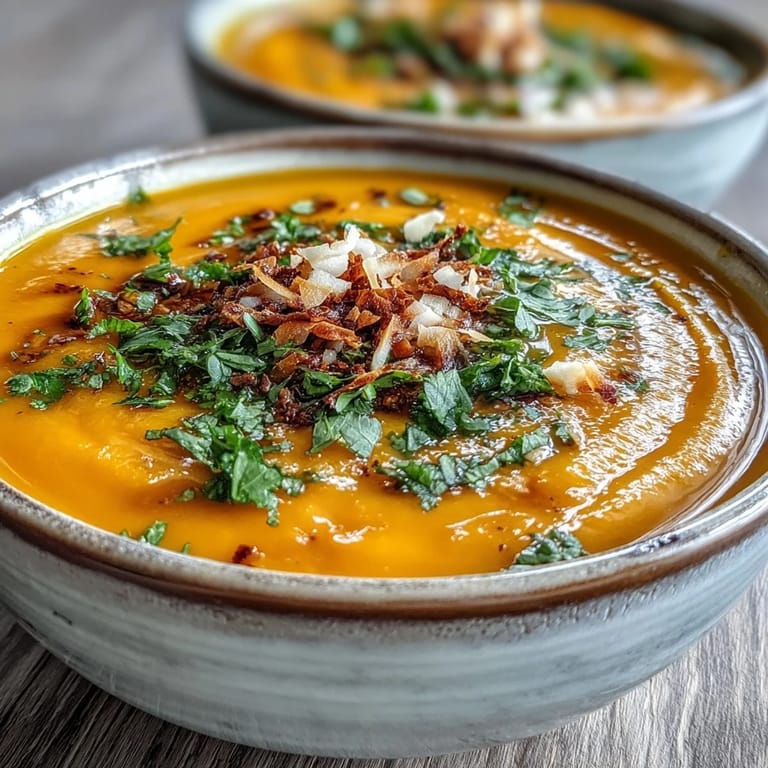
Save My neighbor brought over a bowl of this soup on a grey afternoon when I wasn't feeling well, and I remember being struck by how the kitchen filled with the smell of ginger and coconut as it reheated. That first spoonful tasted like warmth and care in a way that felt intentional, not accidental. I've been making it ever since, especially when I want to feel like I'm cooking something that actually matters.
Last winter, I made this for a dinner party and watched my friend who claims she doesn't like carrots go back for seconds, and that's when I knew the recipe was worth keeping. The ginger and coriander do something magical to carrots that makes them taste nothing like plain roasted vegetables. Nobody left that table hungry, and more importantly, nobody left without asking for the recipe.
Ingredients
- Olive oil: Just enough to get the onion and garlic releasing their flavor without turning anything brown.
- Medium onion, chopped: This is your flavor foundation, so don't skip sautéing it properly until it's actually soft.
- Garlic cloves, minced: Two cloves is enough to wake up the broth without overpowering the delicate sweetness of the carrots.
- Carrots, peeled and sliced: About 600 grams (roughly five medium ones) will give you the right color and natural sweetness; thinner slices mean they cook faster.
- Small potato, peeled and diced: This acts like a thickening agent and adds a subtle creaminess even though there's no dairy in the base.
- Vegetable broth: Use something you'd actually drink on its own, not the dusty stuff from the back of your pantry.
- Coconut milk, full-fat: The full-fat version makes a real difference in the final texture; light coconut milk can work but the soup feels thinner somehow.
- Ground ginger: One teaspoon of the dried version, or if you have fresh ginger, grate a tablespoon right before you add it for a brighter heat.
- Ground coriander: Half a teaspoon creates a subtle warmth that bridges the gap between the earthiness of carrots and the richness of coconut.
- Ground cumin: Another half teaspoon that adds depth without announcing itself loudly.
- Chili flakes: A quarter teaspoon if you want a gentle warmth, but honestly, you can skip this or go heavier depending on your mood.
- Salt and black pepper: Taste as you go because the final seasoning is what makes each spoonful feel intentional.
- Fresh cilantro or parsley: Just a handful for garnish, adding a green brightness right at the end.
- Toasted coconut flakes: Optional but they add a textural moment that feels unexpected and nice.
- Lime juice: A squeeze at the end lifts everything and prevents the soup from tasting heavy or one-note.
Tired of Takeout? 🥡
Get 10 meals you can make faster than delivery arrives. Seriously.
One email. No spam. Unsubscribe anytime.
Instructions
- Build your base:
- Heat the olive oil in your largest pot over medium heat and let the onion sauté for about 3 to 4 minutes, stirring occasionally, until it goes from crisp and harsh to soft and translucent. You'll know it's ready when it becomes a little glossy and starts to smell sweet instead of sharp.
- Wake up the aromatics:
- Add your minced garlic and ginger and let them cook together for just one minute, stirring constantly so nothing sticks or burns. This brief time transforms them from raw and harsh to fragrant and welcoming.
- Introduce the vegetables:
- Toss in your sliced carrots and diced potato and give them a few minutes to warm through and start releasing their sweetness. You're not cooking them all the way yet, just beginning the process.
- Toast the spices:
- Sprinkle in your ground coriander, cumin, and chili flakes if you're using them, then stir everything together for about 30 seconds so the spices coat all the vegetables and release their oils. This step makes a real difference in depth of flavor.
- Simmer and soften:
- Pour in your vegetable broth, bring it to a gentle boil, then lower the heat and cover the pot. Let it bubble quietly for about 20 minutes until the carrots and potato are so tender they break apart with a spoon.
- Introduce the coconut:
- Stir in the full-fat coconut milk and let it warm through for 2 to 3 minutes, stirring gently so it mixes evenly with the broth. This is important: don't let it boil or the coconut milk can separate and look curdled.
- Blend to silky smoothness:
- If you have an immersion blender, go right at the pot and blend everything until completely smooth, moving the wand around so you catch all the chunks. If you're using a countertop blender, work in batches and be careful because the soup is hot.
- Taste and adjust:
- Season with salt, pepper, and a good squeeze of fresh lime juice, then taste again because lime is what prevents this soup from tasting flat.
- Serve with intention:
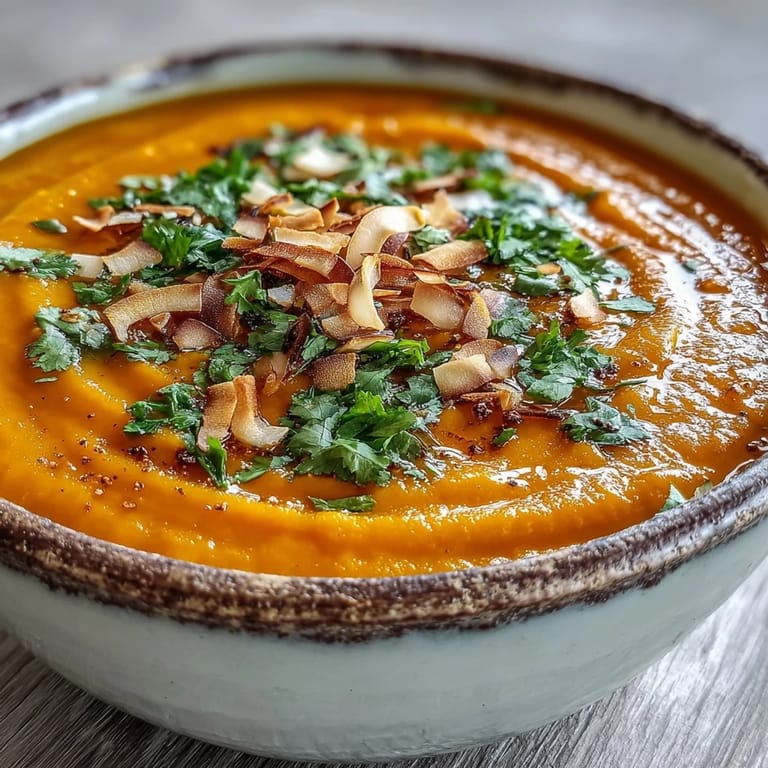
- Ladle the soup into bowls and top with fresh cilantro, a sprinkle of toasted coconut flakes, or an extra pinch of chili flakes if you want a little heat. The garnish is what makes it feel finished.
 Save
Save There was a moment when my daughter, who is usually suspicious of anything that smells unfamiliar, asked for thirds and wanted to know what made it taste like adventure. That's when I understood that good food is less about impressing people and more about creating a reason for them to sit down and stay a while.
When to Roast Your Carrots First
If you have time and want to add another layer of flavor, roast your sliced carrots at 400 degrees Fahrenheit for about 15 minutes before adding them to the pot. The dry heat caramelizes their natural sugars and creates a depth that takes the soup from comforting to genuinely memorable. It adds time but it's a small investment that pays off.
Variations That Work
I've learned through experimentation that this soup is forgiving and flexible, which is part of why I come back to it. A chopped apple stirred in with the vegetables adds a subtle sweetness that some people prefer, especially if they want something less savory. You can also thin it with extra broth or thicken it with another potato, swap the spices around based on what's in your cabinet, or add red curry paste if you want something spicier.
Serving Ideas That Make It Feel Special
This soup tastes best when it's paired with something substantial, and I've found that crusty bread for soaking up the last spoonfuls, or a side of steamed jasmine rice, makes the meal feel complete and intentional. Sometimes I serve it as the opener to a bigger dinner, and sometimes I serve it as the entire dinner with a simple salad alongside. Either way, it feels like enough.
- Crusty bread for soaking up the silky last spoonfuls of broth.
- A squeeze of fresh lime juice right before eating to brighten every spoonful.
- Steamed jasmine rice on the side if you want something heartier and more filling.
 Save
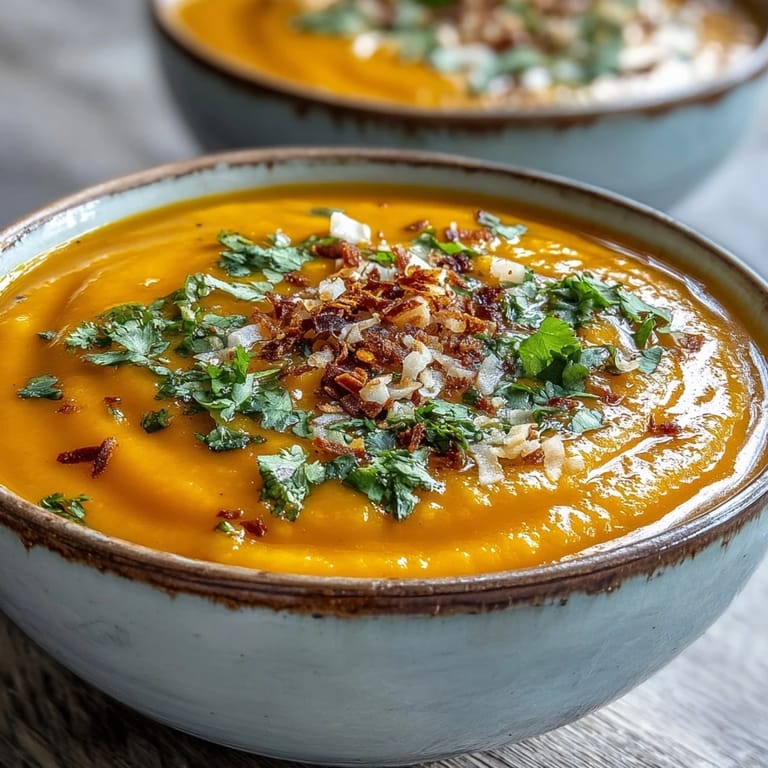
Save This soup has become one of those recipes I turn to when I want to cook something that feels both simple and thoughtful. It's the kind of dish that reminds you why you love being in the kitchen in the first place.
Recipe Help
- → Can I make this soup ahead of time?
Absolutely. This soup stores beautifully in the refrigerator for up to 5 days. The flavors continue to develop, often tasting even better the next day. Reheat gently over medium-low heat, stirring occasionally to maintain the silky texture.
- → Is full-fat coconut milk necessary?
Full-fat coconut milk creates the richest, creamiest texture. However, you can use light coconut milk for a lighter version, or combine half full-fat with half light for a balance between richness and reduced calories. The soup remains delicious regardless.
- → What can I substitute for the potato?
The potato helps thicken the soup naturally. If preferred, replace with a small sweet potato for extra sweetness, or add ½ cup of red lentils when simmering. Both alternatives provide body and creaminess without changing the cooking time significantly.
- → How do I achieve the smoothest texture?
Use an immersion blender directly in the pot for easiest results, or blend in batches using a countertop blender. For ultra-silky results, strain the puréed soup through a fine-mesh sieve. The potato naturally contributes to the velvety consistency.
- → Can I freeze this soup?
Yes, freeze for up to 3 months in airtight containers. Thaw overnight in the refrigerator, then reheat slowly. The coconut milk may separate slightly when frozen, but whisking while reheating restores the creamy consistency perfectly.
- → What spices work best with this combination?
The classic trio of ginger, coriander, and cumin complements both carrots and coconut beautifully. For variation, try adding a pinch of turmeric for color and anti-inflammatory benefits, or cardamom for a more aromatic profile. Adjust chili flakes to your preferred heat level.