 Save
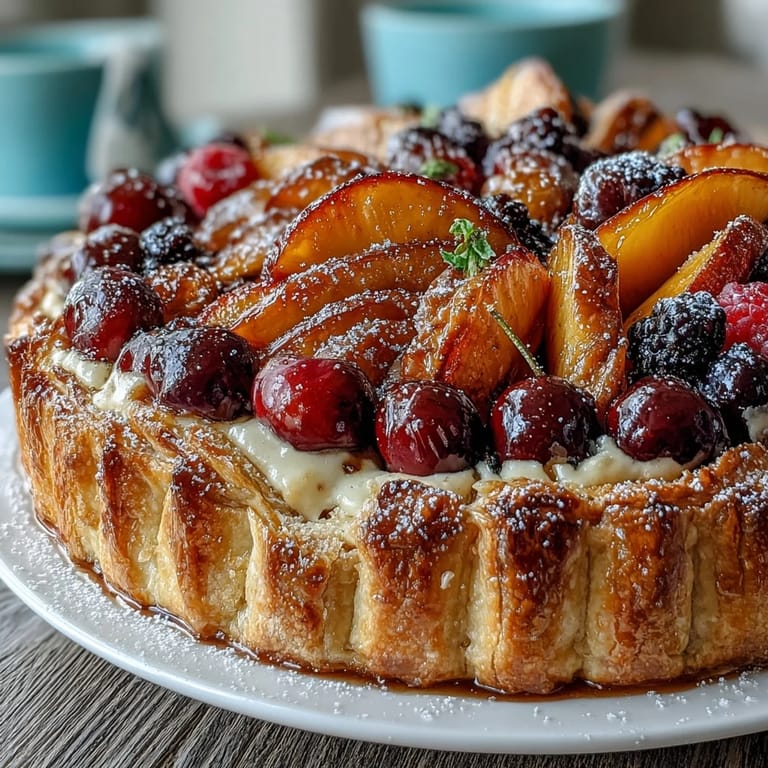
Save A farmer's market trip on a sweltering July afternoon led me to an overflowing basket of peaches, plums, and nectarines that practically begged to be baked into something special. I'd been craving that French rustic elegance without the fuss, so I decided on a galette—a dessert that forgives imperfection and rewards confidence. The moment I spread that silky almond frangipane beneath the fruit, I understood why it's been a kitchen staple for centuries. There's something deeply satisfying about folding up pastry edges without measuring, letting the fruit peek through in its own chaotic, beautiful way.
My neighbor smelled it baking and knocked on my door halfway through, her nose leading her to the kitchen before we'd even finished introductions. We sat on the porch with warm slices and cold cream, watching the light change as we talked, and I realized this galette had become my new go-to when I want to show someone they matter without making a grand fuss about it.
Ingredients
- All-purpose flour: The foundation that becomes flaky when treated gently; don't overwork it or you'll end up with a tough crust instead of those delicate, golden layers.
- Cold unsalted butter: Cubed and chilled, it creates steam pockets that give you those beautiful irregular flakes everyone expects from a proper galette.
- Ice water: Add it slowly and stop the moment the dough comes together, since excess water is the quickest way to toughness.
- Almond flour: This makes the frangipane silky and deeply flavored; it's worth seeking out the blanched version for a more refined appearance.
- Mixed ripe stone fruits: The character of this dessert depends entirely on fruit quality, so use whatever's at peak ripeness, even if it means swapping peaches for apricots or adding cherries.
- Cornstarch: A small amount prevents a soggy bottom by absorbing excess juice without making the filling gummy.
- Lemon juice: Just enough to brighten the fruit's natural sweetness and add a subtle complexity that keeps the dessert from feeling one-note.
Tired of Takeout? 🥡
Get 10 meals you can make faster than delivery arrives. Seriously.
One email. No spam. Unsubscribe anytime.
Instructions
- Whisk the dry pastry ingredients:
- In a large bowl, combine flour, sugar, and salt, making sure everything is evenly distributed so the salt doesn't create any unpleasant pockets of saltiness. This takes less than a minute and sets you up for success.
- Cut in the cold butter:
- Add cubed butter and use a pastry blender or your fingertips to work it in until the mixture resembles coarse breadcrumbs with some pea-sized pieces still visible. These little butter bits are what create those gorgeous, irregular flakes.
- Bring the dough together:
- Sprinkle ice water over the mixture while tossing with a fork, adding just enough so the dough barely comes together when squeezed. Flatten it into a disk, wrap it tightly, and let it chill for at least thirty minutes so the gluten relaxes and the butter stays cold.
- Cream the frangipane base:
- Beat softened butter and sugar until the mixture is light and fluffy, which takes about two minutes and signals that air is being incorporated. This creates a tender crumb that melts on your tongue.
- Build the frangipane:
- Add the egg first, beating well so it's completely incorporated, then fold in almond flour, extracts, and salt until you have a smooth, spreadable paste. If you taste a tiny spoonful (and you should), you'll understand why this layer matters so much.
- Toss the fruit:
- Gently combine sliced stone fruits with sugar, cornstarch, and lemon juice in a bowl, letting it sit for just a minute so the juices start releasing. This prevents a watery filling while keeping the fruit fresh-tasting.
- Roll out the pastry:
- On a lightly floured surface, roll the chilled dough into a circle about twelve inches across, transferring it to a parchment-lined baking sheet as soon as it's ready. Don't stress about perfect circles; rustic charm is the whole point.
- Layer the filling:
- Spread frangipane evenly over the dough, leaving about a two-inch border, then arrange the stone fruits over the top in whatever pattern appeals to you. The arrangement doesn't need to be neat; overlapping fruit creates beautiful pockets of concentrated flavor.
- Fold the pastry edges:
- Fold the dough border up and over the filling, pleating it as you go and allowing it to fold naturally where it wants to. A few small tears are fine; they only add to the rustic aesthetic.
- Finish and bake:
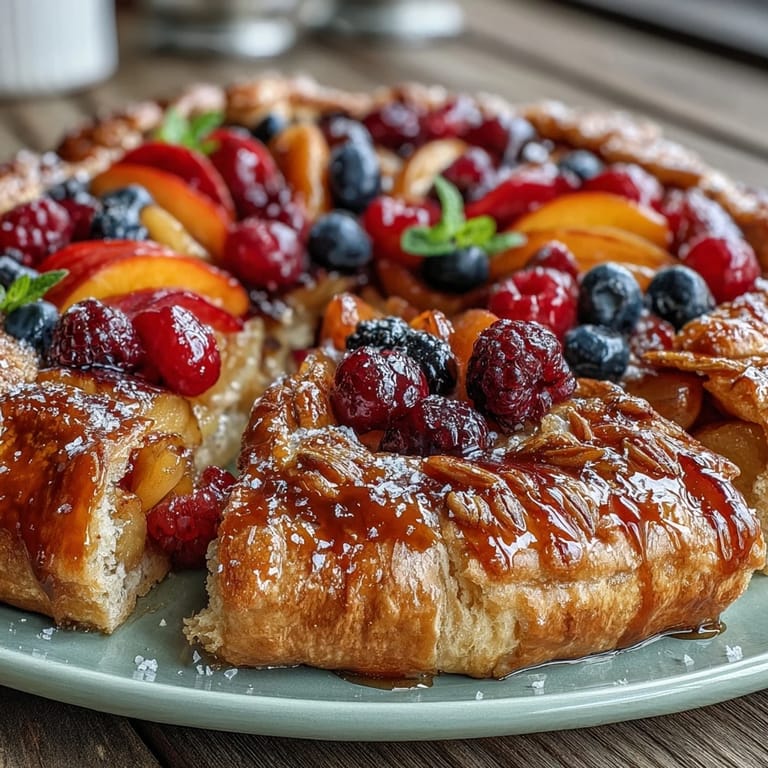
- Brush the exposed pastry with beaten egg, sprinkle with coarse sugar, and bake at 400°F for thirty-five to forty minutes until the pastry turns deep golden and you see fruit juices bubbling at the edges. Let it cool for ten minutes before slicing so the filling sets slightly.
 Save
Save There's a moment when the galette emerges from the oven, steam rising and fruit juices glossy at the edges, where you realize you've made something worth sharing. It transforms a summer afternoon into a small celebration, no occasion required.
Why Summer Stone Fruits Matter
Stone fruits hit their peak for such a brief window that using them immediately feels like honoring something seasonal and fleeting. A ripe peach in July tastes nothing like one in February, and this galette lets that difference shine through without competing flavors getting in the way. The combination of different fruits—pairing the sweetness of peaches with the slight tartness of plums—creates a more interesting filling than any single fruit could achieve alone.
The Frangipane Advantage
Before I understood frangipane, I thought almond and fruit combinations had to feel heavy or overly sweet. But this almond-butter cream is actually delicate, with an almost melt-in-your-mouth quality that enhances rather than overshadows the fruit. It also serves a practical purpose: the layer between pastry and filling prevents sogginess while adding a subtle richness that makes people ask what's in it.
Timing, Texture, and a Perfectly Golden Finish
The real skill in galette-making isn't precision; it's knowing when to stop fussing and let the oven do its work. The pastry needs enough heat to puff and brown without burning, while the fruit cooks through just enough to soften but not collapse into jam. Watching the edges carefully in those final minutes means the difference between pale pastry and that mahogany-gold finish that makes people's eyes light up.
- If your oven runs hot, tent the galette loosely with foil halfway through baking to prevent over-browning.
- Room temperature is actually ideal for serving, letting all the flavors and textures shine without the heat overwhelming the delicate frangipane.
- Leftovers taste even better the next day as flavors meld, though there are usually no leftovers to worry about.
 Save
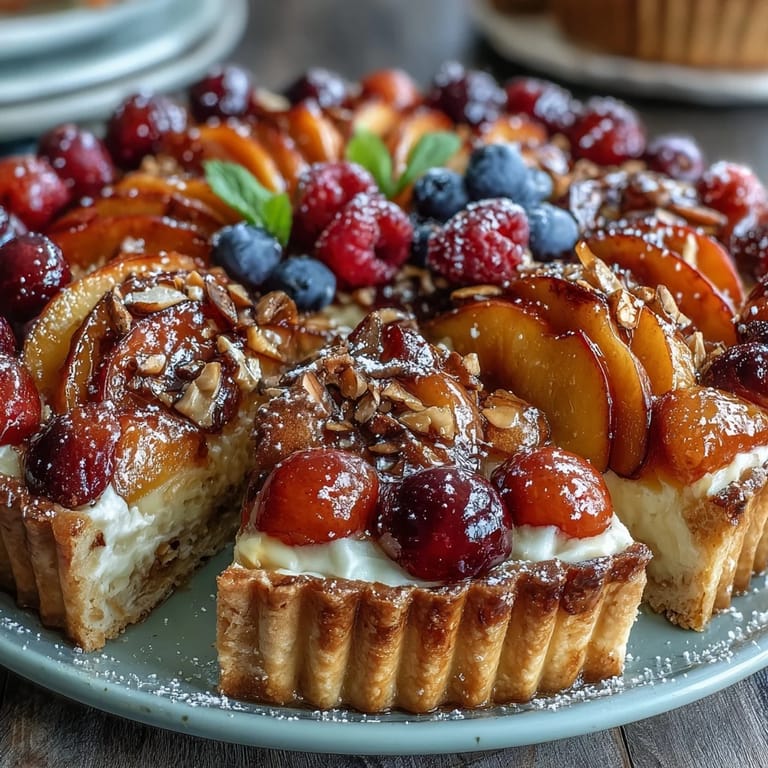
Save This galette has become my answer to the question of what to bring when you want to taste summer on a plate. Serve it warm or at room temperature with vanilla ice cream or whipped cream, and watch how quickly it disappears.
Recipe Help
- → What fruits work best for this galette?
Use a mix of ripe summer stone fruits such as peaches, plums, nectarines, apricots, and cherries for the best flavor and texture.
- → Can I prepare the dough and filling ahead of time?
Yes, both the pastry dough and frangipane can be made in advance and refrigerated overnight to save time on baking day.
- → How do I achieve a flaky pastry crust?
Keep the butter cold and cut it into the flour until the mixture resembles coarse crumbs. Handle the dough gently and chill it before rolling out.
- → What can enhance the fruit filling's flavor?
A pinch of cinnamon added to the fruit mixture adds warmth and depth; a splash of fresh lemon juice brightens the flavors.
- → Is this galette suitable for vegetarians?
Yes, it contains no meat or gelatin and uses vegetarian-friendly ingredients like almond flour and eggs.