 Save
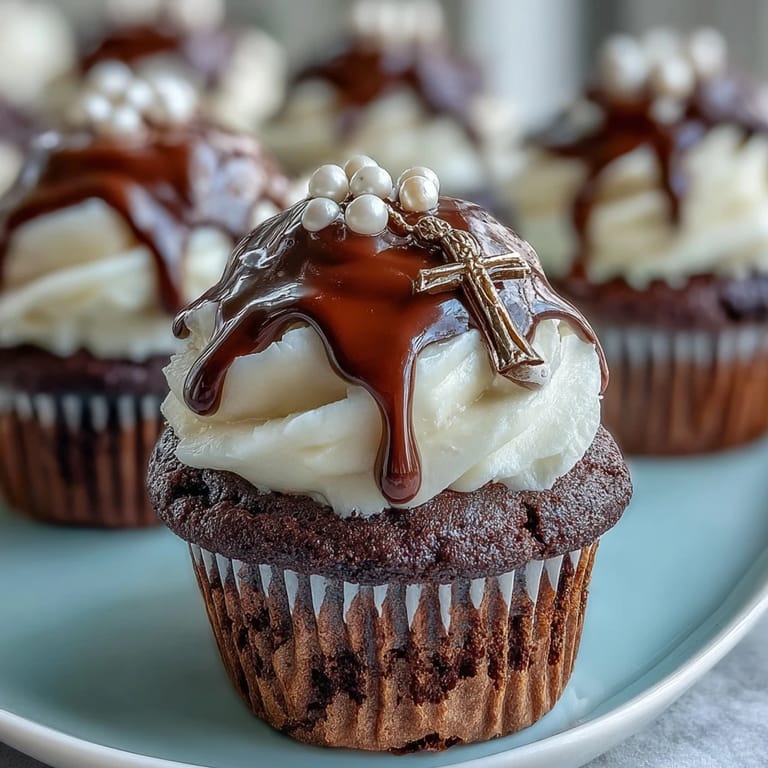
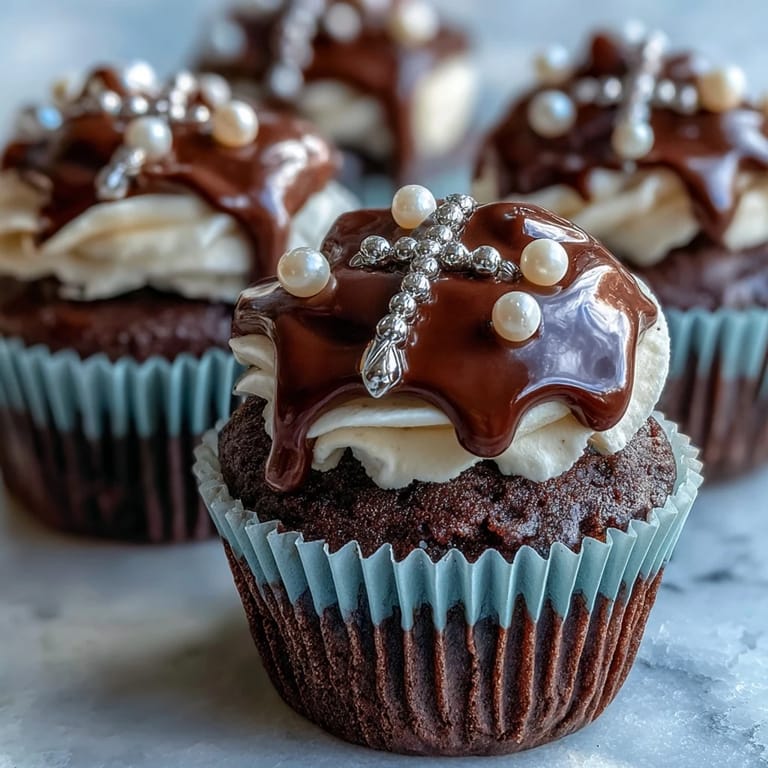
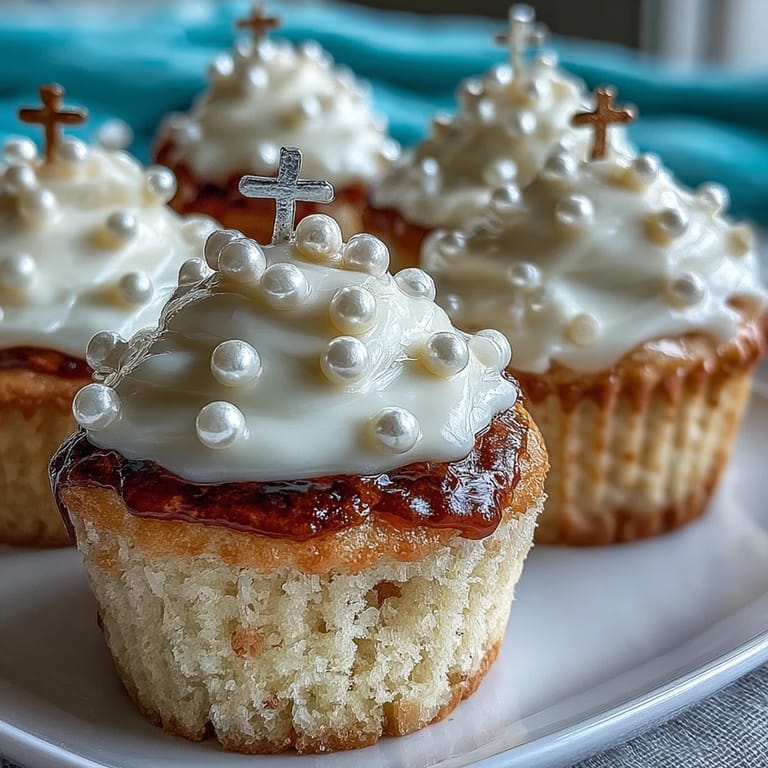
Save My cousin's daughter was turning seven, and her parents asked if I'd make something special for her First Communion celebration. I found myself at the kitchen table on a quiet Sunday morning, sketching tiny fondant rosaries on a notepad—wondering if I could actually pull off something so delicate and meaningful. These mini cupcakes became my answer: soft vanilla clouds topped with buttercream and adorned with little fondant rosary beads and crosses, each one a small edible prayer.
I'll never forget watching my cousin's daughter's face light up when she saw the cupcakes arranged on a tiered stand, each one looking like a tiny religious keepsake. Her friends gathered around, mesmerized by the delicate fondant rosaries, and suddenly baking wasn't just about creating dessert—it was about honoring a moment that mattered to her family.
Ingredients
- All-purpose flour (1 cup / 130 g): The foundation of a tender crumb; measuring by weight keeps these mini cakes consistent and light.
- Granulated sugar (3/4 cup / 150 g): Creaming this with softened butter creates tiny air pockets that make mini cupcakes fluffy instead of dense.
- Baking powder and baking soda (1/2 tsp and 1/4 tsp): The duo that ensures these small cakes rise evenly in the oven without becoming dry.
- Unsalted butter (1/2 cup / 115 g for batter, plus 1/2 cup for frosting): Room temperature butter incorporates air better than cold butter, and unsalted lets you control the salt level.
- Large eggs (2, room temperature): Cold eggs won't blend smoothly into the batter, so leave them out for at least an hour before mixing.
- Whole milk (1/4 cup / 60 ml): The acidity in milk reacts with baking soda to create tenderness; dairy-free milk won't work the same way.
- Pure vanilla extract (1 tsp plus 1/2 tsp for frosting): The subtle backbone of the whole dessert—don't skip it or substitute imitation extract if you can help it.
- Powdered sugar (1 1/2 cups / 180 g, sifted): Sifting removes lumps and ensures your buttercream frosting spreads smoothly without grittiness.
- White fondant (7 oz / 200 g): Buy quality fondant from a baking supply store; cheaper versions can taste chalky or be harder to work with.
- Edible pearls (silver or gold): These add a touch of luxury and catch the light beautifully on the fondant rosaries.
- Food coloring (optional): Gel or liquid food coloring works better than powder; pastel shades feel more elegant than bright hues.
Tired of Takeout? 🥡
Get 10 meals you can make faster than delivery arrives. Seriously.
One email. No spam. Unsubscribe anytime.
Instructions
- Prepare and preheat:
- Set your oven to 350°F (175°C) and line your mini muffin tin with 24 tiny liners—this matters because mini cupcakes bake differently than standard ones, and the smaller size means they'll bake through in less time. Taking this step first means you won't be scrambling while the batter sits waiting.
- Combine dry ingredients:
- Whisk together your flour, baking powder, baking soda, and salt in a medium bowl, making sure everything is evenly distributed. This prevents lumps and ensures the leavening agents are spread throughout your batter.
- Cream butter and sugar:
- Beat the softened butter and sugar together with an electric mixer for 2 to 3 minutes until the mixture is pale, fluffy, and almost mousse-like. You'll hear the mixer working harder as air gets incorporated—that's exactly what you want.
- Incorporate eggs and vanilla:
- Add eggs one at a time, mixing well after each addition so they fully blend in before the next one joins the party. Pour in the vanilla and mix until the batter looks smooth and creamy.
- Alternate wet and dry:
- Add the dry ingredients in two portions, alternating with the milk and stirring gently by hand or with the mixer on low. Stop as soon as everything comes together—overworking the batter at this stage makes tough cupcakes, and you want them tender.
- Fill the liners:
- Using a small spoon or cookie scoop, divide the batter among the 24 liners, filling each about two-thirds full. This leaves room for the cupcakes to rise without overflowing or sinking in the middle.
- Bake until golden:
- Pop them into the oven for 12 to 15 minutes, keeping a close eye toward the end—mini cupcakes bake fast and can go from perfect to dry in seconds. A toothpick inserted into the center should come out clean or with just a few crumbs clinging to it.
- Cool with care:
- Let the cupcakes rest in the pan for 5 minutes so they firm up slightly, then transfer them to a wire rack to cool completely before frosting. This prevents them from collapsing or the frosting from melting into warm cake.
- Make the buttercream:
- Beat the softened butter until it's creamy and pale, then gradually add the sifted powdered sugar a little at a time, stirring to avoid clouds of powder. Once the sugar is incorporated, add vanilla, salt, and milk one tablespoon at a time until the frosting reaches a spreadable consistency—thick but not stiff.
- Frost each cupcake:
- Using a piping bag fitted with a small star or round tip, or simply a small offset spatula, apply a generous dollop of frosting to the top of each cooled cupcake. The frosting should be smooth enough to spread but sturdy enough to hold the weight of a fondant topper.
- Craft the fondant rosaries:
- Roll small portions of white fondant into beads about the size of pearls, then gently press them into a curved chain shape using your fingers or a small tool. Cut a tiny cross from fondant using a small cutter or the tip of a knife, and use a damp brush to attach the cross to the end of your bead chain, letting it dry for at least an hour.
- Add the finishing touch:
- Just before serving, place one fondant rosary on top of each frosted cupcake, pressing it gently into the frosting so it stays put. This timing prevents the fondant from absorbing moisture from the frosting and becoming sticky.
 Save
Save After the celebration, my cousin texted me a photo of her daughter holding one of the cupcakes, her First Communion dress still pristine, a huge smile on her face. I realized these little cakes had done something I didn't expect—they'd become a memory she'd carry forward, something that made her feel seen and celebrated on a day that mattered.
The Magic of Miniature Desserts
There's something about mini cupcakes that feels more intentional than full-sized ones, like you've taken extra time to create something precious. People slow down when they encounter something small and beautiful; they don't just devour it mindlessly, they actually taste it and appreciate the care that went into making it.
Working with Fondant Like a Friend
The first time I worked with fondant, I was convinced it would be fussy and frustrating, but it's actually surprisingly forgiving once you understand it likes to be warm and pliable, not cold and stiff. If your fondant cracks while you're shaping it, a tiny dab of water on your fingertips smooths everything out in seconds—there's almost no way to completely ruin it.
Why This Recipe Works for Special Occasions
These cupcakes straddle the line between homemade and elegant, which is exactly what makes them perfect for milestone celebrations. You're not exhausted from making something complicated, and your guests feel like they've received something thoughtful and personal.
- Make the fondant toppers up to 3 days ahead and store them in an airtight container at room temperature.
- Bake the cupcakes the day before serving, cool completely, and refrigerate them wrapped in plastic—they'll taste even more moist the next day.
- Frost and add the rosaries 2 to 4 hours before serving to keep everything looking fresh and pristine.
 Save
Save Whether you're celebrating a First Communion or any milestone that deserves something beautiful, these cupcakes deliver both elegance and genuine, from-the-heart flavor. Bake them with intention, and they'll be far more than just dessert.
Recipe Help
- → What is the best way to make the fondant rosary toppers?
Roll fondant into small balls to form beads, then connect them into a short chain. Use a small cross-shaped cutter or knife for the cross, attaching all pieces gently with a damp brush.
- → Can I add flavors other than vanilla?
Yes, almond extract can be substituted for vanilla in both the cupcakes and buttercream to impart a different, delicate flavor.
- → How do I ensure the cupcakes remain moist?
Be careful not to overmix the batter and bake just until a toothpick comes out clean. Cooling cupcakes in the pan briefly helps retain moisture.
- → What tools are recommended for decorating?
Use a piping bag or spatula for buttercream, and fondant tools or a small knife to shape the rosary elements precisely.
- → Are there any common allergens in these cupcakes?
These contain eggs, milk, and wheat. If almond extract is used, tree nuts may be present. Fondant may have traces of nuts or soy.
- → How long does preparation and cooking take?
Preparation takes around 40 minutes and baking approximately 15 minutes, totaling about 55 minutes.