 Save
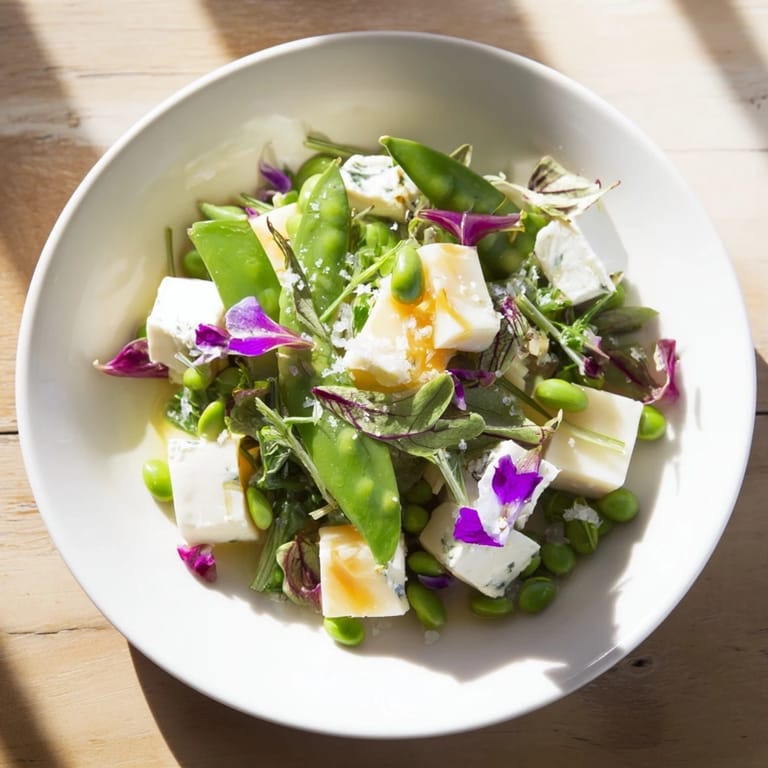
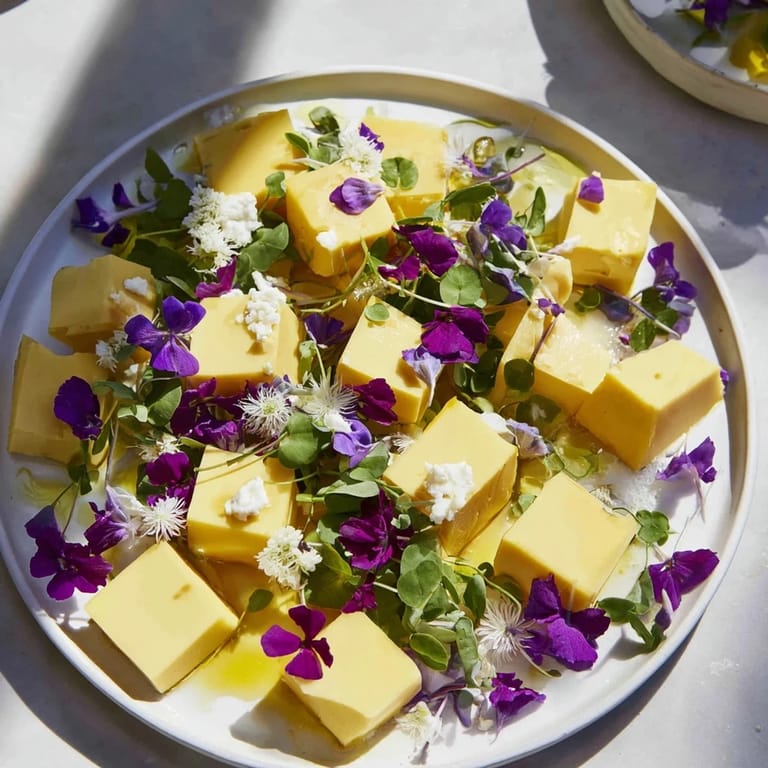
Save There's something magical about watching guests lean over a platter and suddenly realize they're hunting for treasure. That's exactly what happened the first time I arranged cheese cubes beneath a tangle of microgreens and edible flowers—a moment of pure delight that reminded me why I cook. The Secret Garden emerged from wanting to shake up appetizer season, to create something that felt playful yet sophisticated, where every discovery tasted as good as it looked. It's become my go-to for dinner parties where I want people to talk about the food, not just eat it.
I remember making this for a dinner where my friend Sarah insisted on bringing her partner who claimed to hate vegetables. When he reached under the flowers and pulled out his first cheese cube, his face lit up in a way I'd never seen before. By the end of the night, he was the one encouraging others to dig deeper, to find all the hiding spots. That's when I knew this dish was more than just pretty—it had a way of bringing people together through surprise and joy.
Ingredients
- Aged cheddar: Use a really good one if you can—sharp, crumbly, with personality that stands up to the delicate flowers around it.
- Goat cheese: The creamy texture is a beautiful contrast to the other two, and it picks up the earthiness of the microgreens beautifully.
- Gruyère: This is the fancy one, and honestly, it elevates the whole platter; the nutty notes complement everything else perfectly.
- Microgreens: Pea shoots are my personal favorite because they're mild and don't overpower the cheese, but radish greens add a peppery kick if you want more edge.
- Edible flowers: Nasturtiums have a slight peppery bite, pansies are almost neutral, violets are delicate and pretty, and borage tastes like cucumber—pick what excites you or mix them all.
- Extra virgin olive oil: The optional drizzle is worth it; it ties everything together and adds a silky finish.
- Flaky sea salt and black pepper: These are what make the flavors sing—don't skip them.
Tired of Takeout? 🥡
Get 10 meals you can make faster than delivery arrives. Seriously.
One email. No spam. Unsubscribe anytime.
Instructions
- Cut and arrange your cheeses:
- Cube each cheese roughly the same size—about the size of a die—and scatter them across your platter with a little space between each type so guests can tell what they're grabbing. This is your canvas, and the spacing matters because it lets the colors breathe.
- Layer in the microgreens:
- Don't be shy here; pile them on generously so some cheese peeks through but most of it's hidden. This is the excitement—guests will have to hunt a little, and that's the whole point.
- Tuck in the flowers:
- Nestle them among the greens like they naturally grew there, mixing varieties so you get pops of different colors and shapes. Think garden, not geometric.
- Add the olive oil drizzle:
- If you're using it, a light pass over the whole thing adds richness and makes the colors look even more vibrant. This step is optional but transforms the dish.
- Season with intention:
- A careful sprinkle of flaky salt and fresh pepper brings everything into focus—taste as you go because the salt should feel like an accent, not a blanket.
- Serve and watch the magic:
- Bring it to the table and let people dig in, encouraging them to explore and discover combinations. The joy is in the hunt.
 Save
Save There was a moment during that same dinner where everyone went quiet, genuinely examining the platter before diving in—a shared moment of anticipation and wonder. I realized then that food isn't always about nourishment; sometimes it's about creating an experience, a memory, a reason to pause and look at something beautiful together.
Choosing Your Cheeses Wisely
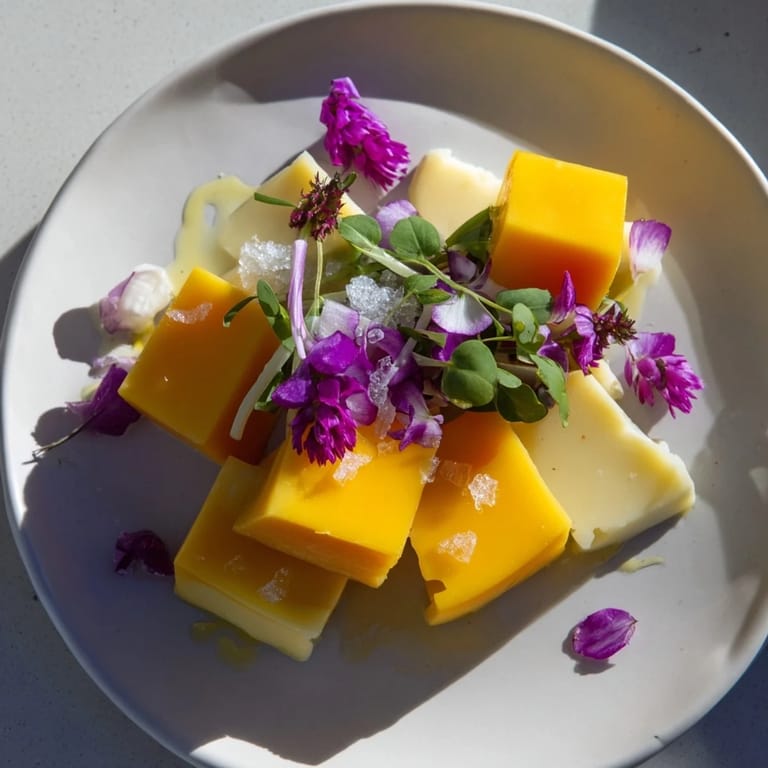
The three cheeses here were chosen because they represent different flavor worlds—bold, creamy, and nutty—so every cheese cube feels like a different course. If you want to swap them out, think about texture and intensity rather than just names. Manchego would replace Gruyère beautifully, feta would be a brighter alternative to goat cheese, and a sharp white cheddar could stand in for the aged version. The real lesson I learned is that contrasts matter more than specific cheeses; you want people to experience a journey from bite to bite, not the same flavor repeatedly.
The Art of Edible Flowers
The first time I bought edible flowers from a regular grocery store, I didn't check the label carefully and almost served something that had been treated with fungicide. Now I source them from farmers markets or specialty suppliers where I can ask questions directly. Each flower brings its own personality to the plate—nasturtiums are brave and peppery, pansies are whispers, borage tastes like the first cucumber of spring. I've learned to taste a tiny piece of each flower before the party to understand what it's bringing to the party, and honestly, that five-minute tasting ritual has become one of my favorite kitchen moments.
Making It Your Own
This dish thrives on customization because the bones are so simple that any addition feels intentional rather than cluttered. I've added thinly sliced radishes for crunch, cucumber ribbons for freshness, and even tiny breadcrumbs toasted in herb butter for texture when I wanted something more substantial. The key is to keep the visual garden feeling—don't overcrowd it, and always remember that negative space makes the flowers and greenery more striking.
- Pair this with a crisp white wine or sparkling rosé to match the lightness and elegance of the dish.
- Add thinly sliced radishes or cucumbers if you want extra crunch and a vegetable bridge between cheese and flowers.
- Make it ahead by prepping all your components separately, then assembling just before guests arrive for maximum freshness.
 Save
Save Every time I make this, I'm reminded that the best meals happen when people slow down and pay attention—when they smile at what's in front of them before they even taste it. That's what The Secret Garden does.
Recipe Help
- → What cheeses work well in this dish?
Aged cheddar, goat cheese, and Gruyère provide a creamy, sharp, and nutty flavor profile that complements the fresh greenery.
- → Can I use other greens instead of microgreens?
Yes, small fresh herbs or tender salad greens like baby arugula or watercress can be used to maintain the fresh, garden feel.
- → Are the flowers safe to eat?
Ensure flowers are edible and pesticide-free, such as nasturtiums, pansies, and violets, sourced from reputable suppliers.
- → How should this dish be served?
Arrange on a large board or platter and serve immediately, encouraging guests to forage for cheese cubes beneath the greens and flowers.
- → Can olive oil be omitted?
Yes, olive oil is optional but adds a subtle richness and helps bring flavors together.