 Save
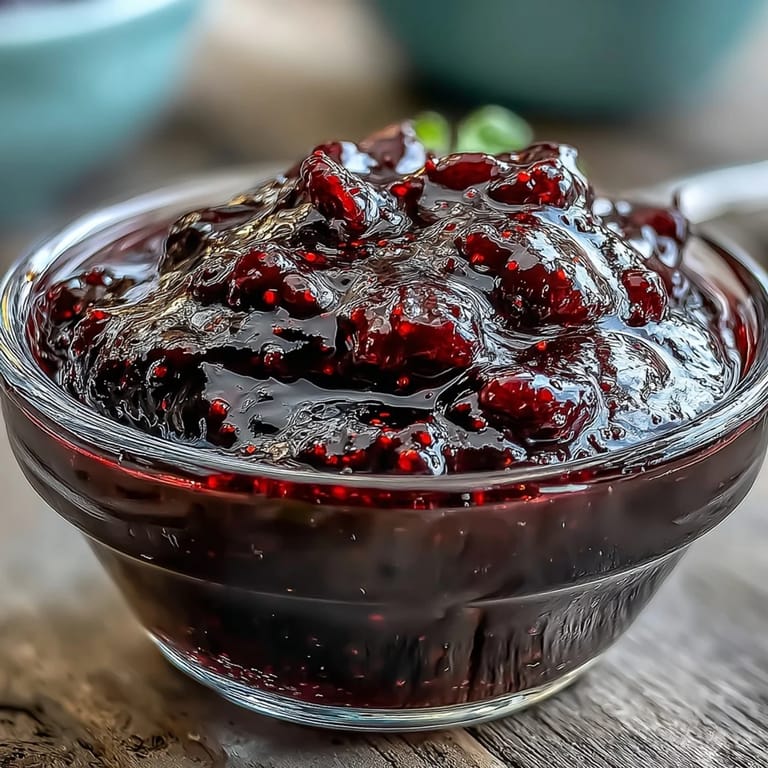
Save There's something almost magical about watching black currants dissolve into a glossy wine reduction—the kitchen fills with this deep, wine-dark perfume that makes everything feel a little more elegant. I discovered this sauce years ago while trying to rescue a slightly dry duck breast, and what started as damage control became my go-to move for any roasted meat that needed a moment of glory. The first time I made it, I was honestly just following instinct, but the result was so velvety and complex that I kept it close ever since.
I made this for a dinner party once where someone brought an unexpected bottle of natural wine, and we ended up opening it to cook with instead of drinking it—turned out to be the best decision of the night. The sauce practically sang with that wine's funky character, and everyone wanted the recipe before dessert even arrived. That's when I realized this reduction isn't just a condiment; it's a conversation starter.
Ingredients
- Black currants: Fresh or frozen work equally well; their tartness and floral notes are the heart of this sauce, so don't skip them or substitute with other berries.
- Dry red wine: Choose something you'd actually drink—the wine's character will shine through in the finished sauce, so quality matters here.
- Chicken or vegetable stock: This adds body and rounds out the wine's sharpness without overpowering the currants' delicate flavor.
- Balsamic vinegar: A good aged balsamic brings depth and natural sweetness that balances the tartness beautifully.
- Shallot: Finely chopped shallots melt into the sauce and provide a gentle onion note without any harsh bite.
- Fresh thyme and bay leaf: These aromatics infuse the reduction with subtle earthiness that elevates the entire dish.
- Sugar: Just enough to enhance the currants' natural sweetness without making the sauce cloying.
- Salt and pepper: Essential for awakening all the other flavors and preventing the sauce from tasting one-dimensional.
- Cold unsalted butter: Added at the end to create that signature silky finish and glossy appearance.
Tired of Takeout? 🥡
Get 10 meals you can make faster than delivery arrives. Seriously.
One email. No spam. Unsubscribe anytime.
Instructions
- Soften the shallots in butter:
- Over medium heat, let a tablespoon of butter melt gently with the finely chopped shallot, stirring occasionally until it turns translucent and soft (about 2–3 minutes). You'll smell the shallot's sweetness emerge as it cooks.
- Build the sauce base:
- Add the black currants, red wine, stock, balsamic vinegar, thyme, bay leaf, sugar, salt, and pepper all at once. Stir everything together so the ingredients combine and the sugar begins to dissolve.
- Simmer and reduce:
- Bring the mixture to a gentle boil, then turn the heat down to low and let it simmer uncovered for 15–20 minutes, stirring occasionally. Watch as the liquid reduces by about half and takes on a slightly syrupy consistency—this is where the magic happens.
- Remove aromatics and strain:
- Fish out the thyme sprig and bay leaf, then pour the sauce through a fine mesh strainer into a clean saucepan. Press down on the solids with the back of a spoon to extract every last drop of flavor, then discard what's left behind.
- Mount with butter for silk:
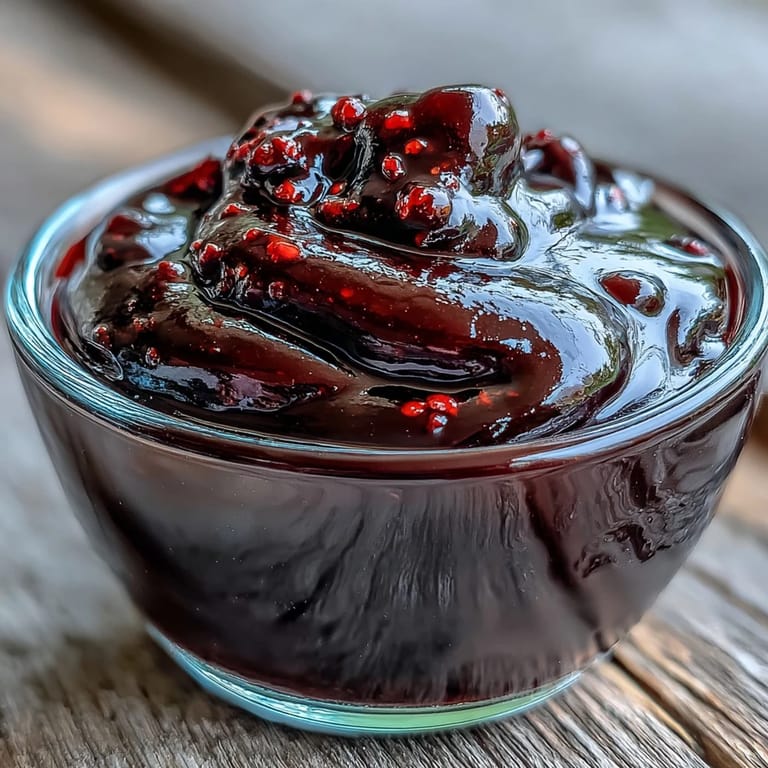
- Return the strained sauce to low heat and whisk in the remaining cold butter cubes one at a time, waiting until each piece is mostly incorporated before adding the next. This technique creates that glossy, restaurant-quality finish that makes the sauce look almost like velvet.
- Taste and finish:
- Give it a quick taste and adjust the seasoning with extra salt, pepper, or a splash more vinegar if you want it sharper. Serve the sauce warm drizzled over roasted duck, pork, venison, or alongside charcuterie.
 Save
Save I watched someone taste this sauce for the first time at a friend's table—their eyes widened before they even asked what was in it. That moment, when food stops being just sustenance and becomes something people remember, is exactly why I keep coming back to this recipe.
Why Red Wine Matters
The wine you choose will absolutely shape the final flavor, so think of it as selecting a personality for your sauce. A Burgundy brings elegance and earthiness, while a Côtes du Rhône adds fruit-forward character; even an affordable Pinot Noir creates something delicious. I've learned to taste the wine before cooking with it—if it tastes good to you on its own, it'll taste good in the sauce.
Making It Ahead
This sauce actually improves when made a day or two before serving, as the flavors have time to marry and deepen. Store it in a covered container in the refrigerator, and when you're ready to serve, warm it gently over low heat, stirring occasionally until it's back to a silky consistency. If it tightens up a bit in the fridge, a whisper of stock or a touch of butter while reheating brings it right back.
Creative Variations and Pairings
Once you understand the basic technique, you can play with this sauce in ways that keep it interesting. Swap in crème de cassis (black currant liqueur) for a portion of the wine to deepen the currant flavor, or add a pinch of juniper berries and crushed coriander seeds for a more complex spiced version. It's stunning on duck, transcendent with venison, and transforms a simple pork chop into something memorable.
- Try a touch of orange zest added right before serving for brightness and aromatic lift.
- Whisk in a teaspoon of Dijon mustard for subtle tang that enhances the wine's acidity.
- Finish with a grind of fresh pepper and a flake of fleur de sel for a luxurious final note.
 Save
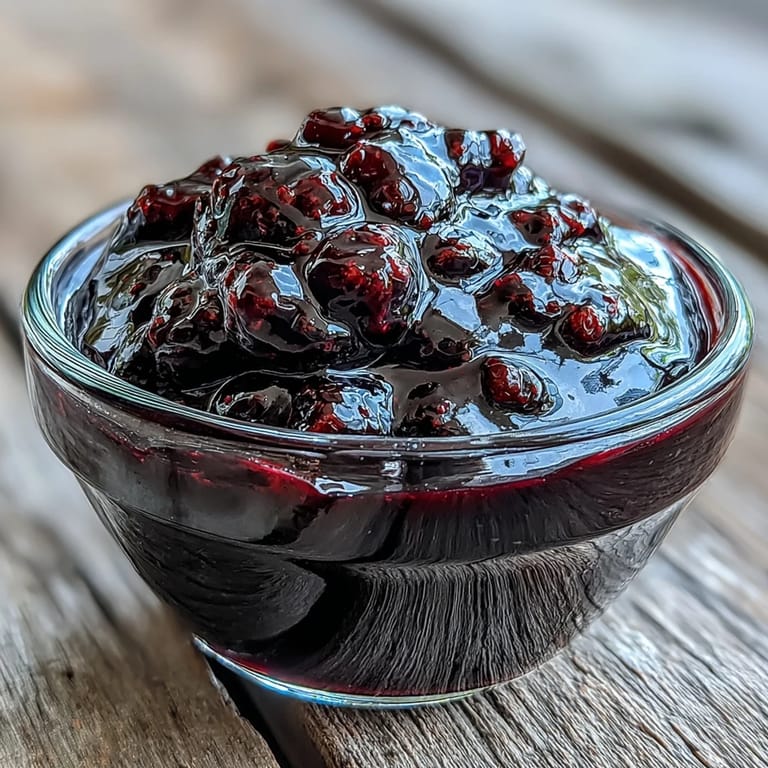
Save This sauce is proof that sometimes the most impressive dishes come from simple, honest cooking—dark currants, good wine, and patience. Once you've made it once, you'll find yourself reaching for it constantly.
Recipe Help
- → What meats pair best with this sauce?
The sauce's tart-sweet profile makes it exceptional with duck, roasted pork, venison, and game birds. It also complements charcuterie boards and pâtés beautifully.
- → Can I use frozen currants?
Yes, frozen currants work perfectly. Thaw them slightly before adding to the pan, and adjust cooking time by a few minutes if needed.
- → How do I store leftovers?
Keep refrigerated in an airtight container for up to 5 days. Gently reheat over low heat, whisking to restore the emulsion.
- → What if I can't find black currants?
Blackberries or dark cherries make good substitutes, though the flavor profile will shift slightly. Adjust sugar to taste based on fruit tartness.
- → Why strain the sauce?
Straining removes skins, seeds, and cooked aromatics for a silky, restaurant-quality texture. Press firmly on solids to extract all flavorful liquid.
- → Can I make this ahead?
Absolutely. Prepare through step 5 (before adding butter) up to 2 days ahead. Finish with butter just before serving for the freshest texture.