 Save
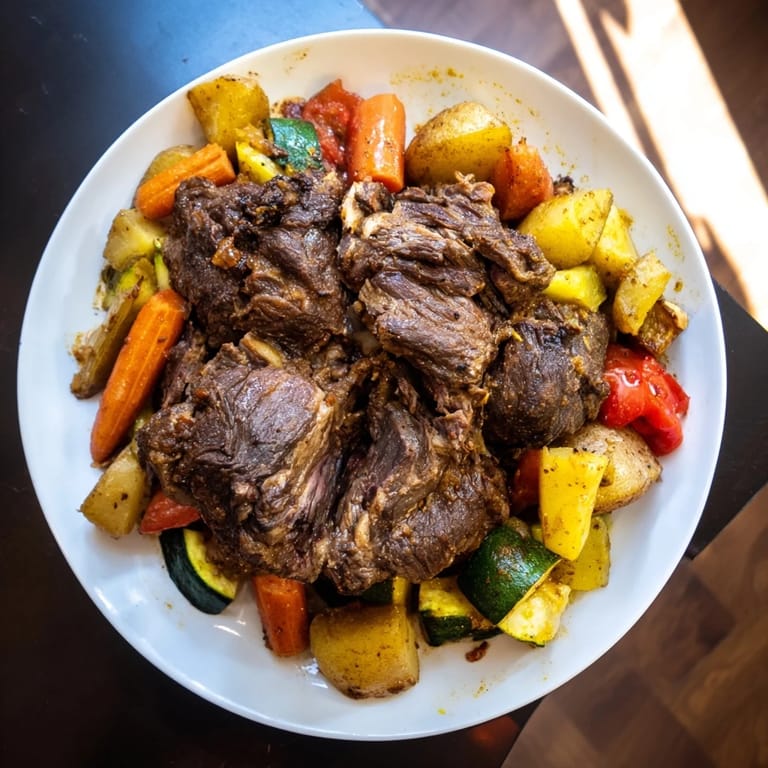
Save I first tasted zarb at a Bedouin gathering under a star-filled desert sky, where the earth itself seemed to be cooking for us. My host uncovered a smoldering pit, releasing a plume of smoke that carried cumin, cinnamon, and something deeply savory that I'd never encountered before. That single meal changed how I understood food, transforming it from something made in a kitchen into something created by patience and tradition. Now, whenever I recreate it in my oven at home, the aroma brings back that moment of wonder.
I made this for my sister's birthday dinner, and the moment I opened that foil-wrapped package at the table, everyone leaned in like children watching something magical happen. The steam rose and carried that unmistakable zarb perfume through the room, and for just a second, conversation stopped. That's when I knew the spices had done their work.
Ingredients
- Lamb shoulder or chicken pieces (1.5 kg, bone-in, large chunks): Bone-in meat keeps everything moist and adds depth to the broth that pools at the bottom of your pan; I learned this the hard way by trying boneless once.
- Olive oil (2 tbsp): This carries your spices into every crevice of the meat and helps build that first layer of flavor.
- Ground cumin (2 tsp): The backbone of the marinade, warming and slightly earthy without overpowering.
- Ground coriander (2 tsp): This adds a subtle sweetness that balances the deeper spices beautifully.
- Ground cinnamon (1 tsp): A pinch of warmth that makes people pause and ask what that mysterious flavor is.
- Smoked paprika (1 tsp): The soul of the dish, even if you're using an oven instead of an underground pit.
- Ground black pepper (1 tsp): Keep it freshly ground if you can; pre-ground loses its bite quickly.
- Salt (2 tsp): Don't skip this in the marinade, as it helps the meat absorb the spice flavors.
- Garlic (4 cloves, minced): Raw garlic in the marinade becomes mellowed and sweet after two and a half hours of cooking.
- Lemon juice (from 1 lemon): The acid tenderizes the meat while adding brightness that cuts through the richness.
- Potatoes (3 large, peeled and quartered): They soak up every drop of that savory broth and become creamy inside.
- Carrots (3 large, peeled and chopped): Cut them chunky so they don't disappear into the pan; they'll soften plenty as they cook.
- Onions (2 medium, quartered): They dissolve slightly, thickening the natural sauce that collects in the tray.
- Zucchini (2 medium, sliced into thick rounds): Add these in the last hour if you like them firmer, or at the start if you prefer them very soft.
- Bell peppers (1 red and 1 green, seeded and chunked): They add color and a gentle sweetness that plays well with the warm spices.
- Tomatoes (2 medium, quartered): These break down and create a subtle acidity that brightens the whole dish.
- Long-grain rice (2 cups, rinsed): Rinsing removes the starch so each grain stays separate and fluffy.
- Chicken or vegetable broth (3 cups): Use the homemade kind if you have it; store-bought works, but homemade carries more flavor into the rice.
- Butter or olive oil (1 tbsp for rice): This richness keeps the rice from clumping and adds a subtle luxury.
Tired of Takeout? 🥡
Get 10 meals you can make faster than delivery arrives. Seriously.
One email. No spam. Unsubscribe anytime.
Instructions
- Build your marinade foundation:
- In a large bowl, whisk together olive oil, cumin, coriander, cinnamon, paprika, pepper, and salt until it becomes a paste. Add the minced garlic and lemon juice, stirring until everything is combined.
- Coat and rest the meat:
- Add your meat pieces to the bowl and massage the marinade in with your hands, making sure every surface gets covered. Cover and refrigerate for at least an hour, though overnight is when the real magic happens as the spices and acid work into the meat fibers.
- Prepare your cooking vessel:
- Preheat your oven to 180°C (350°F). If you're lucky enough to have access to an underground pit, prepare that instead. Arrange a wire rack or lay foil in a large roasting tray.
- Arrange the meat:
- Place the marinated meat pieces directly on the rack or tray, in a single layer so the heat can circulate. Don't crowd them together.
- Build the vegetable bed:
- In a separate bowl, toss all your vegetables with a drizzle of olive oil, salt, and pepper. Arrange them around and beneath the meat pieces, creating a bed that will both steam and caramelize.
- Create a steam trap:
- Cover the entire tray very tightly with aluminum foil, pressing the edges down so steam can't escape. If you're feeling adventurous, wrap everything in banana leaves first, then foil, for a more traditional approach.
- Low and slow cooking:
- Slide the tray into your oven and let it cook undisturbed for 2.5 hours. The meat should be so tender it nearly falls from the bone, and the vegetables should be soft enough to break with a spoon. If using an underground pit, place your wrapped tray in the preheated pit and cover it with hot coals and sand, checking after about two hours.
- Prepare your rice (if serving):
- While the zarb cooks, combine rice, broth, butter, and salt in a saucepan. Bring to a boil, then immediately reduce the heat, cover with a tight-fitting lid, and simmer for 15 to 20 minutes until the liquid is absorbed and the rice is fluffy and separate.
- Finish and plate:
- Carefully open the foil (watch for the escaping steam), and transfer the meat and vegetables to a large serving platter. Pour the collected juices over everything, and if you've made rice, serve it alongside or create a bed of rice beneath the meat and vegetables.
 Save
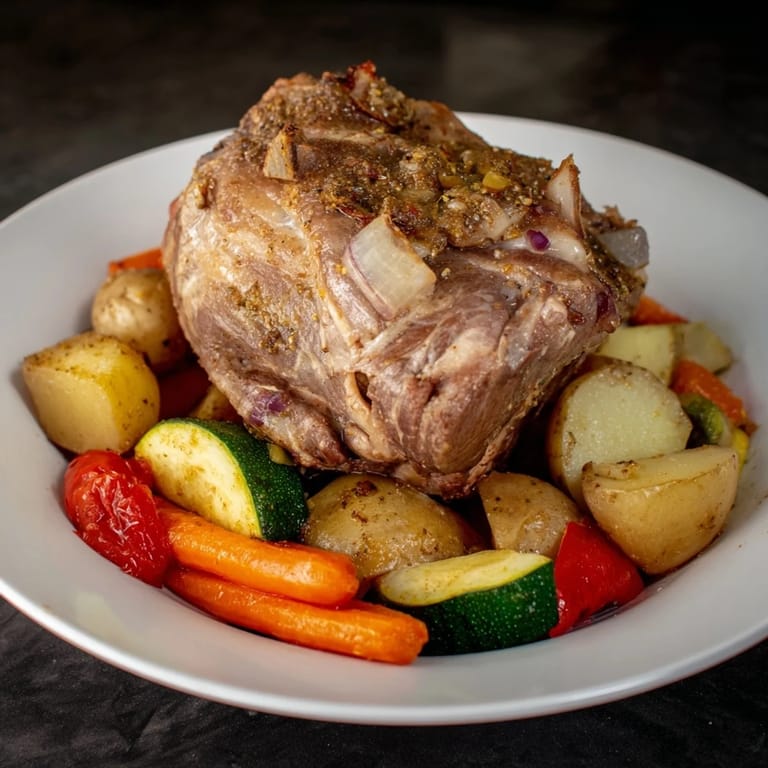
Save The first time my neighbor smelled this cooking through our shared wall, she knocked on my door thinking I'd ordered it from a restaurant. Watching her face when I told her it came from my oven made the whole three-hour project feel worthwhile in an instant.
Why Underground Cooking Matters
Traditional zarb relies on an underground pit lined with hot coals and sand, which creates an even, gentle heat that seems impossible to replicate in a home oven. The buried method also imparts a subtle smokiness that drifts through every layer of the dish. If you ever find yourself near someone with access to a zarb pit, ask to watch or help—it's a cooking method that belongs to the earth itself, not just to kitchens.
Customizing Your Zarb
Zarb is forgiving in the best way, inviting you to work with what you have and what you love. I've made it with chicken when lamb felt too heavy for summer, and I've added eggplant and sweet potato in place of regular potatoes. Some families add dried apricots for sweetness, while others include chickpeas for texture. The core stays the same—the spices, the steam trap, the time—but the details belong to your table.
Serving and Pairing
Zarb feels incomplete without tangy yogurt sauce on the side and warm flatbread for scooping up meat and vegetables. A cool glass of mint tea cuts through the richness beautifully, though a robust red wine works if that's more your style. I've learned that the best pairing is simply people around a table who are genuinely happy to be there.
- Make the yogurt sauce by stirring minced cucumber, garlic, and fresh dill into plain yogurt with salt and lemon juice.
- Warm your flatbreads in a dry skillet just before serving so they're soft and pliable.
- Let the zarb sit for five minutes after you open the foil, so the juices redistribute and everything stays moist when served.
 Save
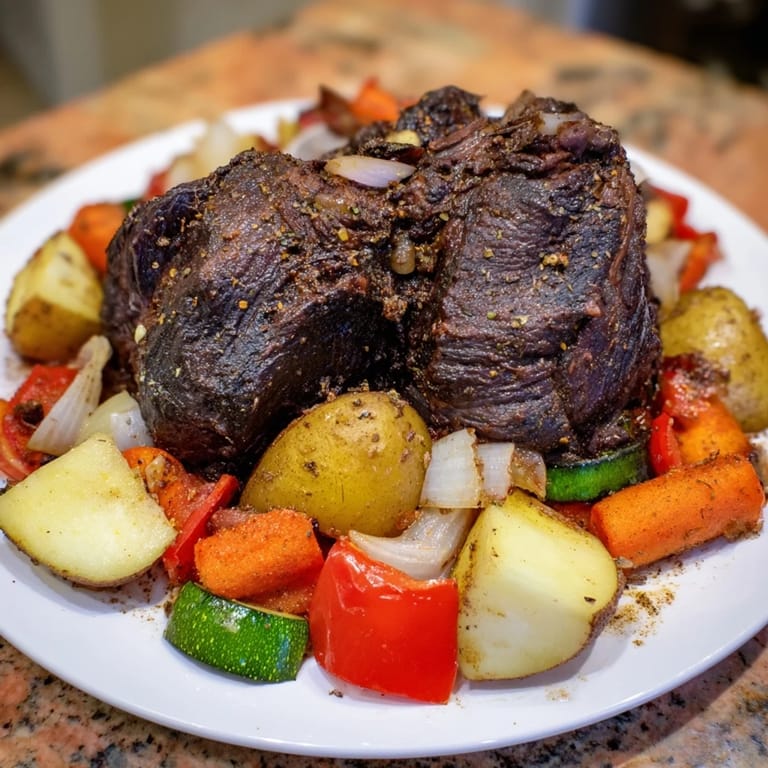
Save Zarb stopped being just a recipe for me the day I realized it's really about slowing down and trusting time to do what you can't rush. There's something quiet and beautiful about waiting for food to transform, knowing exactly when it will be ready.
Recipe Help
- → What meats work best for Zarb?
Lamb shoulder and bone-in chicken pieces are ideal for their tenderness and flavor absorption during slow cooking.
- → How do the spices affect the dish?
Cumin, coriander, cinnamon, and smoked paprika create a warm, earthy flavor profile that complements the smoky cooking process.
- → Can vegetables be varied?
Yes, potatoes, carrots, onions, zucchinis, and bell peppers are traditional, but eggplant or sweet potatoes can be excellent additions.
- → Is it necessary to use an underground oven?
While traditional, an oven set to 180°C to 350°F with tightly covered trays can replicate the slow-cooking environment well.
- → How is the smoky flavor achieved?
The slow cooking in an underground pit with coals imparts natural smokiness, but smoked paprika also adds depth.
- → What dishes pair well with Zarb?
Serving with lightly seasoned rice, fresh yogurt sauce, and flatbreads balances the rich, smoky flavors.