 Save
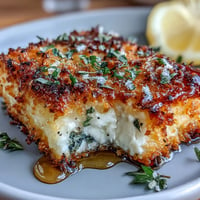
Save I discovered this sandwich completely by accident on a Tuesday morning when I was halfway through my usual grilled cheese routine and realized I had a container of everything bagel seasoning sitting right there on the counter. Instead of putting it back, I thought, why not coat the outside of the bread with it? That first bite—the way the poppy seeds and sesame crackled against my teeth while the cheese melted underneath—changed how I think about grilled cheese entirely.
My roommate walked in while I was making this and the smell of butter and toasted seeds filled the whole apartment. She asked what I was making, expecting something complicated, and when I showed her it was just a grilled cheese, she practically demanded I make her one too. We sat at the kitchen counter eating them while they were still warm, and she kept saying the same thing I was thinking: this is ridiculously good and ridiculously simple.
Ingredients
- Sourdough or white sandwich bread: The bread is your canvas here—sourdough gives you tanginess and a sturdier crumb that won't collapse under the weight of cheese, while white bread keeps things classic and mild.
- Sharp cheddar cheese: Sharp cheddar actually melts better than you'd think and brings a savory punch that plays beautifully with the everything seasoning; four slices might sound like a lot but trust me, you want that cheese-to-bread ratio.
- Unsalted butter, softened: Softened butter spreads evenly and thinner than cold butter, which means your seasoning adheres better and you get maximum crispness without greasiness.
- Everything bagel seasoning: This is the star—it's got poppy seeds, sesame, garlic, onion, and salt all waiting to toast up and become irresistible.
Tired of Takeout? 🥡
Get 10 meals you can make faster than delivery arrives. Seriously.
One email. No spam. Unsubscribe anytime.
Instructions
- Butter and season your bread:
- Lay all four slices out and spread softened butter evenly on one side of each slice—thin is better because you want the bread to get crispy, not greasy. Press the everything bagel seasoning onto the buttered side of each slice with your fingers or the back of a spoon so it sticks.
- Build the sandwiches:
- Flip two of your seasoned slices over onto a plate, layer two slices of cheese on each one, then top with the remaining bread with the seasoned side facing outward. You want those seeds on the outside where they'll get toasted and crunchy.
- Heat your skillet:
- Set a nonstick skillet over medium heat and let it warm for a minute or two—you want it hot enough that the butter sizzles immediately when the sandwich hits the pan, but not so hot that the bread burns before the cheese melts.
- Cook with gentle pressure:
- Place both sandwiches in the skillet and cook for 3 to 4 minutes without moving them—you'll see the sides start to turn golden. Use a spatula to gently press down on each sandwich (this helps the cheese melt faster and the bread get crispier), then flip and cook the other side for another 3 to 4 minutes until it's dark golden and smells incredible.
- Rest and serve:
- Transfer the sandwiches to a plate and let them cool for just a minute—this keeps the cheese from sliding out when you cut into them. Slice diagonally and serve while the cheese is still oozing.
 Save
Save Last week I made these for my neighbor after she mentioned she'd been eating sad desk lunches all month. Watching her face light up when she bit into one and the seeds crunched between her teeth reminded me that sometimes the simplest combinations are the ones people remember.
Why Everything Bagel Seasoning Matters
Everything bagel seasoning is one of those condiments that sits quietly on the shelf until you realize it transforms ordinary things into something worth talking about. The blend of poppy seeds, sesame, garlic, onion, and sea salt toasts up when it hits the hot pan, releasing flavors that make people ask what you did differently. It's the same reason a simple bagel with cream cheese feels like breakfast at a good deli instead of something you threw together at home.
Bread Selection and Why It Matters
Sourdough brings a natural tang and a sturdy texture that can handle the butter and seasoning without falling apart, while white sandwich bread gives you a neutral canvas that lets the cheese and seasoning shine. I've made these both ways and depending on my mood or what I have in the kitchen, I pick differently. The sourdough version feels slightly fancier; the white bread version feels like pure comfort.
The Cheese Factor and Variations
Sharp cheddar is my go-to because it's bold enough to stand up to the strong flavors in the everything seasoning, but the beauty of this recipe is how flexible it is. I've done Swiss for earthiness, provolone for a slightly smoky taste, and mozzarella when I'm in the mood for something that stretches like a dream. The cooking time stays the same no matter what you choose, but the personality of the sandwich shifts.
- Swiss cheese brings a subtle nuttiness that pairs surprisingly well with the garlic and onion in the seasoning.
- Provolone adds smokiness that makes the sandwich feel more sophisticated without changing anything about how you cook it.
- Mozzarella gives you that classic melty pull that some people prefer even if it's slightly less flavorful.
 Save
Save This sandwich proves that the best food moments often come from happy accidents and willingness to try something slightly different with ingredients you already have. Make it for yourself on a regular Tuesday or for someone who needs a little joy at lunch.
Recipe Help
- → What type of bread works best?
Sourdough or white sandwich bread provides the best texture and absorbs seasoning well for crispiness.
- → Can different cheeses be used?
Yes, Swiss, provolone, or mozzarella can substitute for cheddar for varied flavors and meltiness.
- → How do I get the bread extra crispy?
Use softened butter generously and cook on medium heat pressing gently until golden brown on each side.
- → What is everything bagel seasoning?
It’s a blend of sesame seeds, poppy seeds, garlic, onion, and salt that adds savory crunch and flavor.
- → Can I add other ingredients inside?
Thinly sliced tomatoes or caramelized onions make delicious additions between the cheese layers.