 Save
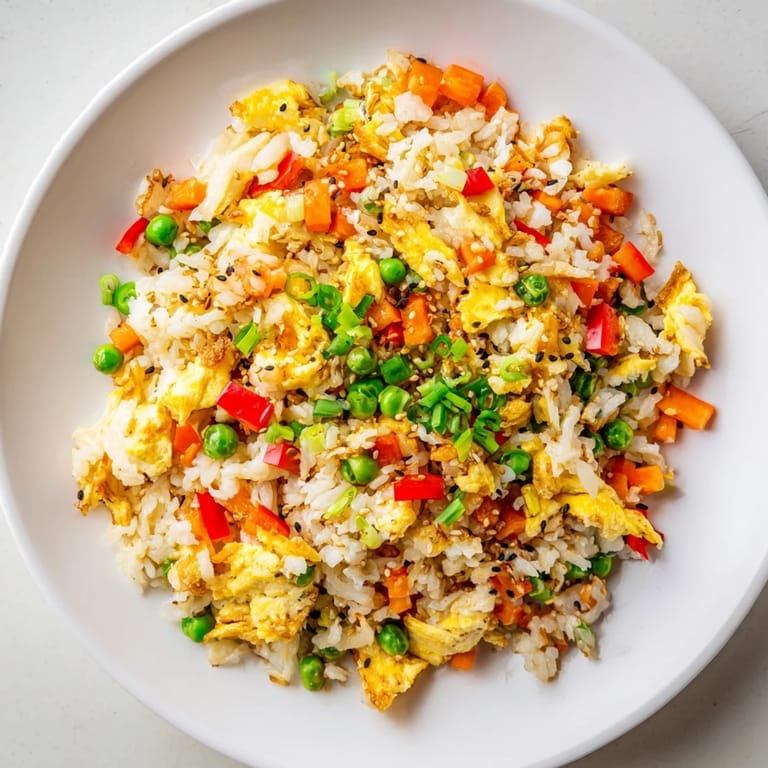
Save The aroma of sizzling eggs in my wok always transports me to a tiny apartment in my twenties, where I first learned egg fried rice from my neighbor, Mrs. Lin. Back then, I'd burn the garlic and overcook the eggs, but she'd patiently guide my hands with gentle corrections. Years later, her whispered advice still echoes in my kitchen: "Rice needs space to dance in the pan." That simple phrase transformed my cooking forever.
Last winter, when my power went out during a snowstorm, I made this by flashlight for neighbors who had taken refuge in our slightly warmer home. We huddled around steaming bowls, the ginger and sesame fragrance filling the darkened room as we shared stories by candlelight. Something about that night made the flavors more pronounced, more comforting.
Ingredients
- Day-old rice: Cold, leftover rice is crucial because fresh rice contains too much moisture and turns mushy instead of achieving those coveted crispy edges.
- Eggs: I learned to scramble them separately first then remove them from the wok, which prevents them from becoming rubbery little bits lost in the rice.
- Scallions: The white parts go in early for flavor development, while the green parts get sprinkled at the end for color and fresh bite.
- Sesame oil: Just a teaspoon at the finish line transforms everything with its nutty depth, but never cook with it as high heat destroys its delicate flavor.
Tired of Takeout? 🥡
Get 10 meals you can make faster than delivery arrives. Seriously.
One email. No spam. Unsubscribe anytime.
Instructions
- Prepare the eggs:
- Beat the eggs with a pinch of salt until just blended, creating tiny air bubbles that will make them fluffy. The salt helps break down the egg proteins slightly, resulting in a more tender scramble.
- Create the egg foundation:
- Heat your wok until a drop of water evaporates within seconds, then add oil and pour in the eggs, letting them set slightly before gently folding. They should look barely set with a glossy finish when you remove them.
- Awaken the aromatics:
- Return the wok to heat and add the remaining oil, then toss in garlic, ginger, and white scallion parts. You should hear an immediate sizzle and smell their fragrance blooming within seconds.
- Add vibrant vegetables:
- Introduce the colorful medley of peas, carrots, and bell peppers, stirring constantly. The vegetables should retain some crispness, not become soft, which usually takes just 2-3 minutes.
- Crisp the rice:
- Crank the heat to high and add your cold rice, breaking up any stubborn clumps with your spatula. Listen for the satisfying sizzle that signals the rice is crisping at the edges rather than steaming.
- Reunite and season:
- Bring the eggs back to the party, breaking them into smaller pieces as you fold everything together. The soy sauce should be drizzled around the edges of the wok so it hits the hot surface first, intensifying its flavor before coating the rice.
- Finish with finesse:
- Kill the heat and sprinkle with sesame oil, white pepper, and green scallions, tossing quickly to distribute. The residual heat will carry the flavors through without wilting the fresh scallion tops.
 Save
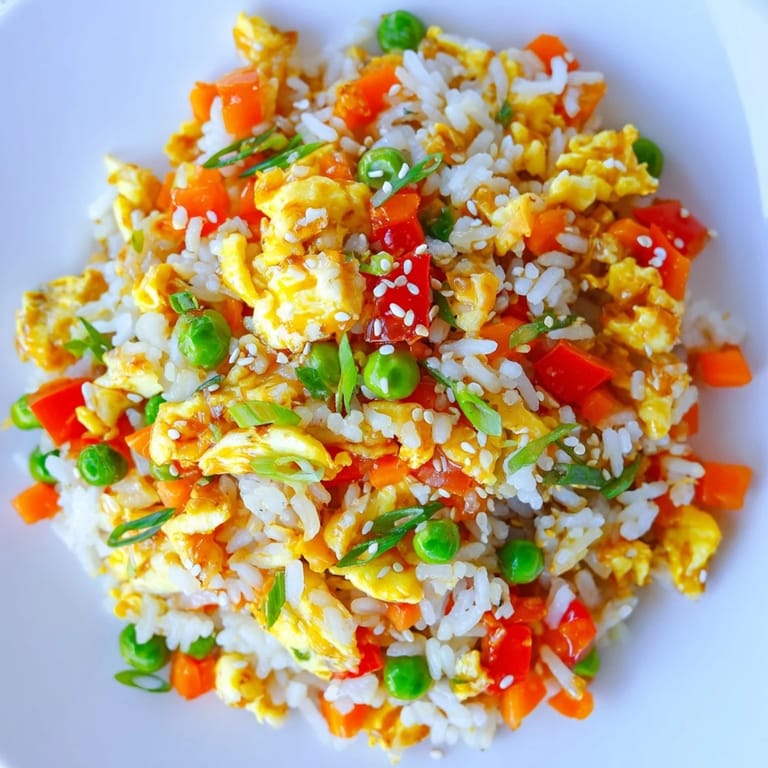
Save On my daughters tenth birthday, she requested egg fried rice instead of cake, announcing it was better than any dessert. I added tiny confetti-like diced bell peppers in her favorite colors and arranged it in the shape of a cake, complete with scallion candles. Her delighted laughter as we sang over steaming rice instead of frosting became one of those unexpected perfect moments that food sometimes creates.
The Secret of Day-Old Rice
Through countless batches, Ive discovered why grandmothers insist on day-old rice, and its not just tradition. Freshly cooked rice contains too much surface moisture, causing it to steam rather than fry when it hits the wok. Leaving rice uncovered in the refrigerator overnight allows the grains to dry slightly and firm up. When you cant plan ahead, spread freshly cooked rice on a baking sheet and put it in the freezer for 15-20 minutes to achieve similar results.
Customizing Your Fried Rice
My kitchen has become a laboratory for fried rice variations over the years. Swap the vegetables for whatever needs rescuing from your produce drawer, keeping the total amount around 2 cups. Leftover protein transforms this side into a complete meal, with rotisserie chicken, cubed ham, or tofu being particular favorites. For a spicy version that makes your forehead glow pleasantly, add a tablespoon of gochujang or sambal oelek with the soy sauce, creating a completely different experience with minimal effort.
Troubleshooting Common Issues
After teaching this recipe to countless friends, Ive noticed the same challenges arise repeatedly. Using too small a pan crowds the ingredients, trapping steam and creating soggy rice instead of the distinct separate grains we crave. Another common pitfall is turning the heat too low, which prevents the rice from developing those addictive crispy edges that make fried rice special. The wok should be hot enough that you need to keep ingredients moving constantly to prevent burning.
- If your rice clumps stubbornly, drizzle a tiny bit of oil over it and use your fingers to separate the grains before adding to the wok.
- For restaurant-style presentation, try cooking the egg as a thin omelet, then rolling and slicing it into ribbons for garnish instead of scrambling.
- Always taste before serving and adjust soy sauce, as different brands vary significantly in saltiness and depth.
 Save
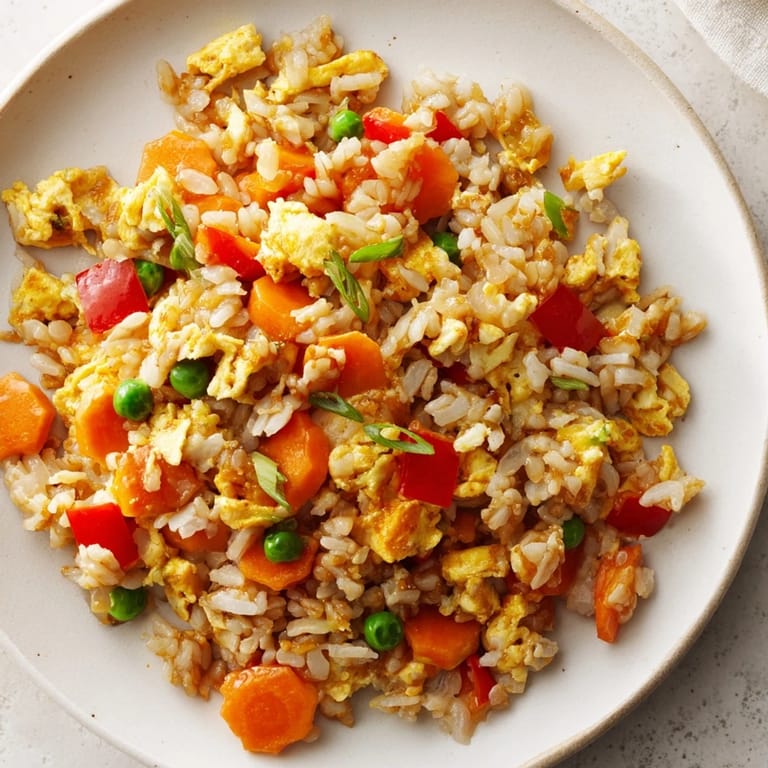
Save This humble dish has traveled with me through college dorms, first apartments, and now to family dinners where my children fight over the crispy bottom bits. Perhaps thats the true magic of egg fried rice, its ability to transform leftovers into something everyone gathers around eagerly.
Recipe Help
- → Why should I use day-old rice for this dish?
Day-old rice has less moisture content, which prevents the final dish from becoming mushy. The dried-out grains separate easily and develop a slightly crispy texture when stir-fried at high heat, creating that authentic restaurant-style result.
- → Can I make this dish with freshly cooked rice?
While day-old rice works best, you can use freshly cooked rice if you spread it on a baking sheet and refrigerate for 30-60 minutes to cool and dry out. This helps remove excess moisture for better texture.
- → What type of rice works best for fried rice?
Long-grain white rice like jasmine or regular white rice works perfectly. These varieties separate easily and don't clump together. Avoid short-grain or sticky rice varieties as they become too mushy when stir-fried.
- → How can I add more protein to this dish?
Add cooked shrimp, diced chicken, pork, beef, or cubed tofu during step 4 with the vegetables. Make sure proteins are pre-cooked and simply need reheating. This transforms the side dish into a complete one-pan meal.
- → Can I prepare this dish ahead of time?
Fried rice is best served immediately for optimal texture and flavor. However, you can prep ingredients ahead by chopping vegetables and cooking rice the day before. Reheat leftovers in a hot skillet with a splash of oil to restore crispiness.
- → What vegetables can I substitute or add?
Feel free to use corn, edamame, snap peas, mushrooms, broccoli, or bean sprouts. Keep pieces uniform in size for even cooking. Add firmer vegetables earlier and delicate ones toward the end of cooking.