 Save
Save I'll never forget the moment my nephew's science fair project sparked an idea. He was explaining DNA double helices with such enthusiasm, and I thought: what if we could eat science? That's when the Double Helix appetizer was born—a dish that turned a dinner party into a conversation starter. What began as a playful experiment became one of those recipes that guests actually remember, not just because it tastes good, but because it makes them smile the moment they see it on the table.
Last summer, I made this for a small dinner party where one guest brought her biology professor partner. Watching them study the platter with genuine delight, then hearing them explain the actual DNA structure to everyone else—that's when I realized this recipe does something special. It bridges the gap between food and memory, turning an appetizer into a shared moment.
Ingredients
- Black olives, pitted and sliced (100 g): These form one of your DNA strands and provide a deep, sophisticated flavor. Pitting them yourself gives you control over texture—pre-pitted ones work too if you're short on time.
- Cherry tomatoes, halved (100 g): The bright red creates stunning visual contrast against the olives. Choose ones that are ripe but still firm so they won't weep onto your board.
- Cucumber, cut into thin half-moons (100 g): This brings freshness and a cool crunch. The pale green pairs beautifully with the warmer tones of the other vegetables.
- Roasted red peppers, sliced (100 g): Sweet and silky, these add richness. Jarred ones save time and work perfectly here.
- Smoked salmon or marinated tofu strips (100 g, optional): This is your protein choice—salmon adds elegance, tofu keeps it vegetarian. Either way, it fills space and adds substance.
- Mozzarella cheese, cut into strips or cubes (150 g): The rungs of your helix need to be mild and slightly springy. Cut them perpendicular to your ingredient lines for visual clarity.
- Cheddar cheese, cut into strips or cubes (100 g): The deeper color creates another rung and adds a subtle sharpness that balances the fresh vegetables.
- Fresh basil leaves (50 g): These tuck between the lines and add an herbal aroma. They're the finishing touch that makes it feel intentional, not just arranged.
- Crackers or gluten-free crackers (50 g, optional): Serve these alongside so people have something to build bites with if they prefer.
- Olive oil (1 tbsp): A light drizzle brings everything together and adds subtle richness. Don't overdo it—this isn't meant to be oily.
- Freshly ground black pepper, to taste: The final whisper of seasoning that makes every bite feel intentional.
Tired of Takeout? 🥡
Get 10 meals you can make faster than delivery arrives. Seriously.
One email. No spam. Unsubscribe anytime.
Instructions
- Prepare Your Canvas:
- Find your largest serving board or platter—this is your stage. The bigger the board, the more dramatic the helix. Make sure it's clean and ready for assembly.
- Create the First Strand:
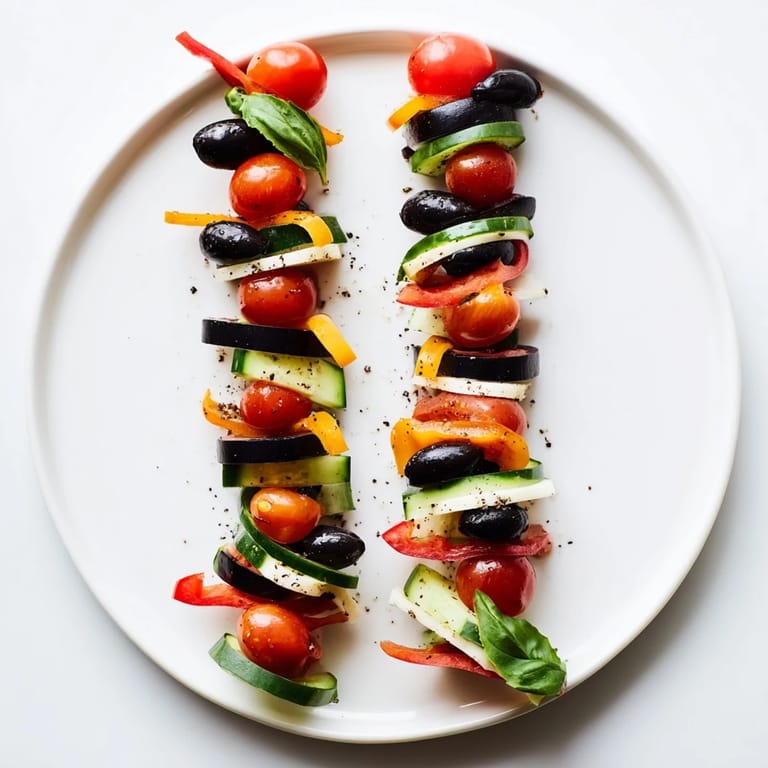
- Using black olives, create one long, gently twisting line from one end of your board to the other. Don't worry about perfection; slight curves and waves actually make it look more like real DNA. This is the moment where you start seeing the shape come to life.
- Build the Second Strand:
- Parallel to your olive line, create another line using cherry tomatoes. Space it about 3 to 4 inches away—close enough to feel connected, far enough to clearly show two distinct strands. Step back and look. Already, it's recognizable.
- Layer Your Contrasts:
- Now add depth by creating additional ingredient lines between and around your main two. Tuck cucumber slices next to the tomatoes, roasted peppers next to the olives. This is where the colors really start singing—the pale greens, burnt reds, deep purples, and blacks create a natural palette.
- Add Protein if Using:
- If you're using smoked salmon or marinated tofu, weave thin strips along the lines. They'll add another layer of visual interest and substance. This step is optional, but it does elevate the dish.
- Connect with Cheese Rungs:
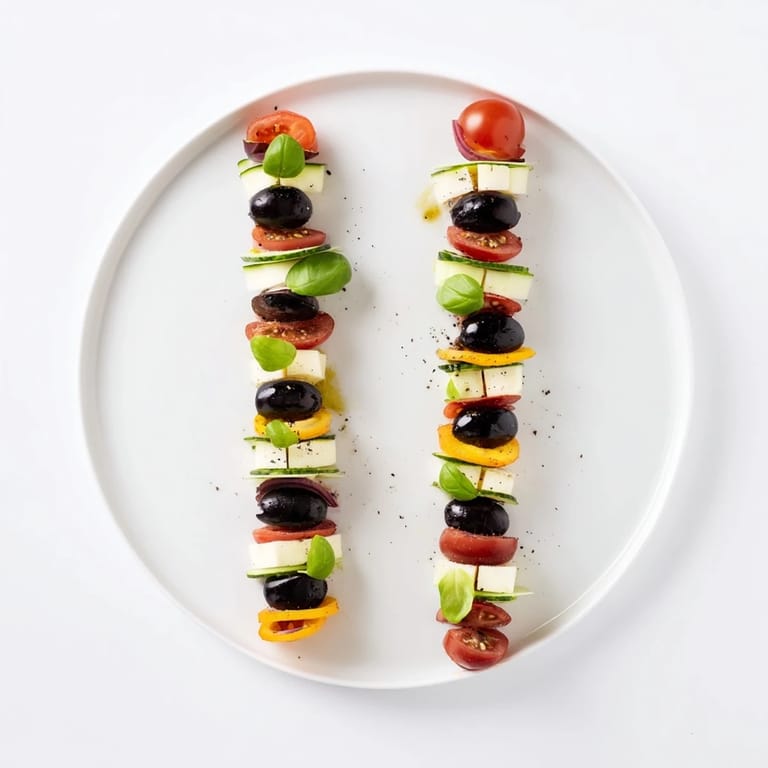
- This is the architectural moment. Take your mozzarella and cheddar pieces and arrange them perpendicular to your ingredient lines, bridging the gap between the two main strands. Space them about 2 inches apart. This is what transforms a mere arrangement into a recognizable DNA helix. Each rung should look intentional, like you're actually holding the strands together.
- Tuck the Basil:
- Gently place fresh basil leaves along the edges and between the lines. They add green flecks of color and release a subtle aroma when handled. This is the flourish that says you care about the details.
- Season and Finish:
- Drizzle a light amount of olive oil over the entire arrangement. Follow with a generous pinch of freshly ground black pepper. The oil adds a subtle sheen, the pepper adds complexity. Taste one of everything to make sure the flavors are balanced.
- Final Presentation:
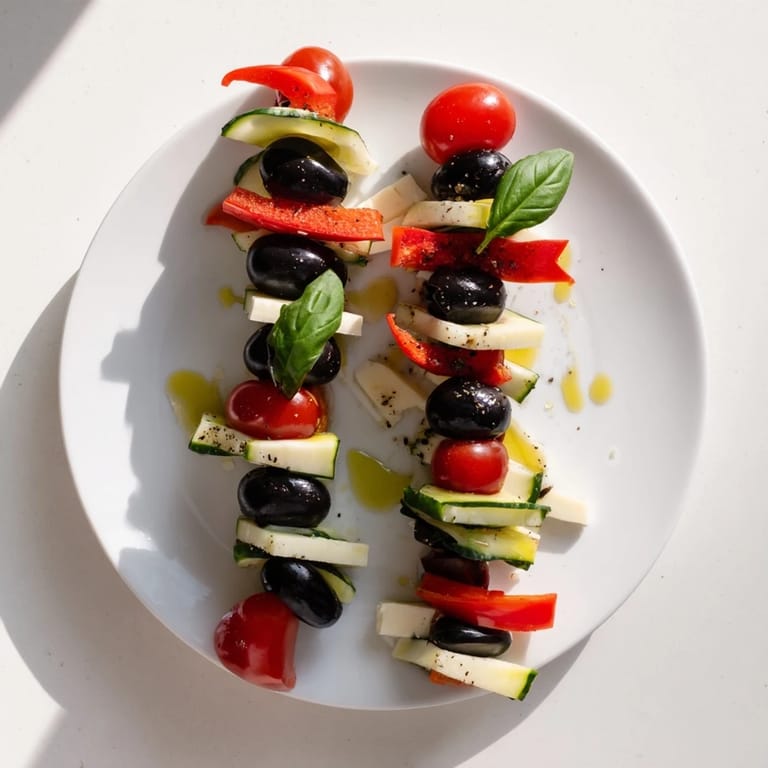
- If you want to keep everything perfectly in place, you can use small decorative toothpicks through some of the cheese rungs, but this is optional. The beauty of this dish is its simplicity—nothing needs to be overly fixed.
 Save
Save There's something magic about watching people approach a food presentation they've never seen before. They photograph it, they study it, they ask questions—and then they taste it and realize it's not just beautiful, it's genuinely delicious. That's the moment this recipe becomes more than a party trick; it becomes a story they tell others.
Customization & Variations
The beauty of this appetizer is that it's infinitely adaptable. Have radishes instead of tomatoes? They work beautifully with a pale color contrast. Love artichoke hearts? They're perfect for the hearty component. The science might be accurate DNA, but the art is entirely yours. I once made this with roasted beets, fresh mozzarella, and edible flowers for a garden party—it was stunning and tasted even better. Think of the ingredient list as inspiration, not prescription. What matters is contrast: light against dark, soft against crisp, rich against fresh.
Making It Work for Your Dietary Needs
This recipe already skews toward dietary inclusivity. For vegan guests, swap the cheeses for plant-based alternatives (they're better than they used to be, I promise) and use marinated tofu instead of salmon. For gluten-free, just verify your crackers—or skip them entirely and let the vegetables be the vehicle. For those avoiding dairy completely, you can still make this stunning with just vegetables and proteins; the visual impact doesn't suffer.
Pairing & Presentation Tips
Serve this with crisp white wine—a Sauvignon Blanc or Pinot Grigio complements the fresh vegetables beautifully. Sparkling water with fresh lemon is perfect if you want to stay nonalcoholic, and the acidity refreshes your palate between bites. The crackers on the side give people options; some will build little bites, others will eat directly from the board with toothpicks. Both are valid. One final thought: make this the centerpiece of your spread, not buried among other dishes. It deserves to be seen and celebrated. And if someone asks how long you spent on it, smile and tell the truth—they'll be even more impressed.
- Set up your board at least 30 minutes before guests arrive so flavors can meld slightly and the presentation looks intentional, not rushed
- If your gathering is outdoors or on a warm day, keep the board cool by placing it on a bed of ice under the platter until serving time
- Save a few extra basil leaves to refresh the board midway through a long party—they'll look vibrant and smell wonderful
 Save
Save Every time I make this, I'm reminded that the best food moments aren't about complexity—they're about intention, creativity, and the joy of sharing something that makes people smile. This little helix does exactly that.
Recipe Help
- → What ingredients create the base lines in this dish?
The base lines consist of black olives, cherry tomatoes, cucumber, roasted red peppers, and optionally smoked salmon or marinated tofu.
- → How is the double helix effect achieved visually?
Two parallel, gently twisting lines of contrasting ingredients are placed with cheese strips connecting them at intervals, mimicking the shape of a DNA double helix.
- → Can this appetizer be made vegan or gluten-free?
Yes, substituting marinated tofu and plant-based cheeses makes it vegan. Using gluten-free crackers maintains a gluten-free option.
- → What are some serving suggestions for this appetizer?
Serve it on a large board with crackers or gluten-free alternatives. It pairs well with crisp white wine or sparkling water with lemon.
- → What tools are recommended to assemble this dish?
A large serving board, sharp knife, and small tongs or toothpicks help create and maintain the shape and delicate structure of the appetizer.