 Save
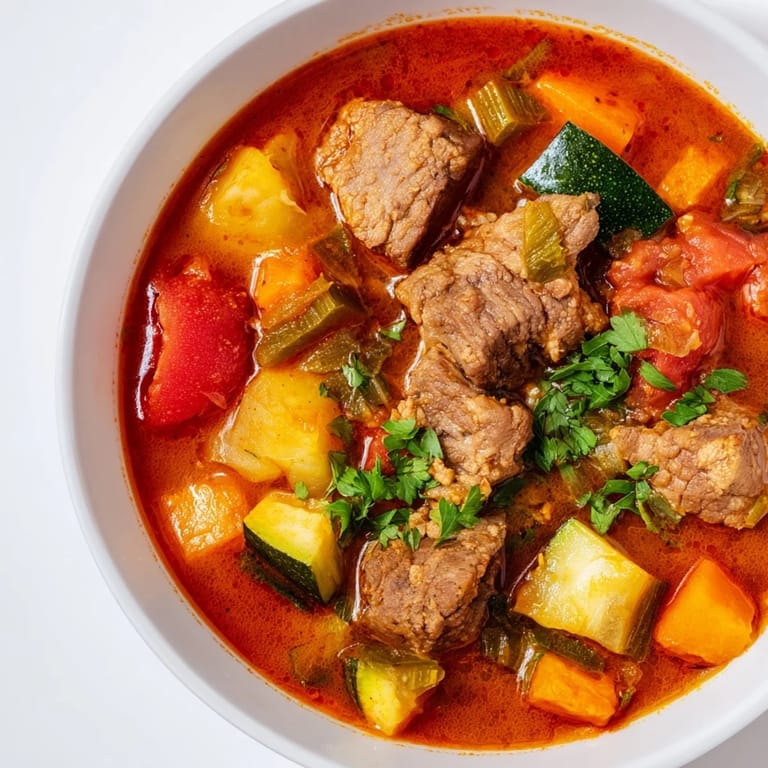
Save My uncle's kitchen in Algiers always smelled the same on cold mornings—a blend of warm spices and simmering lamb that could pull you out of bed from three rooms away. The first time he made chorba for our family gathering, I watched him work without a recipe, adding pinches of this and that, tasting as he went. He'd learned it from his mother, who learned it from hers, and when he finally handed me a steaming bowl with fresh herbs scattered on top, I understood why this soup had survived generations. There's something about the way the spices bloom in hot oil that makes you feel like you're cooking something ancient and essential.
I remember making this for my roommate on a night when she'd had the kind of day that needed more than just food—it needed ritual. As the soup simmered, I sat at the kitchen counter telling her stories about my family while she watched the steam rise from the pot. By the time I ladled it into bowls and scattered those bright green herbs on top, she was already smiling before she'd even tasted it. That's when I realized chorba isn't just sustenance; it's a small act of care that fills more than just your stomach.
Ingredients
- Lamb shoulder: The 500g cut into 2cm cubes gives you pieces that stay tender without falling apart completely, and the fat renders into the broth to add richness.
- Onion, carrots, celery, and potato: This base of aromatic vegetables becomes the backbone of flavor—don't skip the potato, it adds body and a subtle sweetness that balances the spices.
- Fresh tomato and canned tomatoes: The combination of both gives you brightness from fresh tomato and depth from the cooked canned version.
- Garlic cloves: Mince them fine so they disappear into the broth and season everything evenly.
- Tomato paste: Two tablespoons might seem like a lot, but it concentrates the tomato flavor and darkens the broth beautifully.
- Coriander and parsley: Fresh herbs are not optional—they're what make this taste alive rather than heavy.
- Cumin, coriander, paprika, cinnamon, black pepper, turmeric, and chili flakes: These spices work together like a conversation, each one adding a layer of warmth and complexity without overpowering.
- Olive oil: Good quality oil makes a difference in both the browning and the final taste.
- Water or beef stock: Stock adds more depth, but water works fine if that's what you have.
- Vermicelli or small soup pasta: This absorbs the broth and gives the soup body and substance.
Tired of Takeout? 🥡
Get 10 meals you can make faster than delivery arrives. Seriously.
One email. No spam. Unsubscribe anytime.
Instructions
- Sear the lamb:
- Heat olive oil until it shimmers, then add lamb cubes in a single layer and don't move them for a minute or two—you want a golden crust on each piece. This takes about five minutes total and is the foundation of the whole soup's flavor.
- Build the base:
- Once the lamb is browned, add onions, garlic, carrots, celery, and potato, stirring occasionally until they soften and start to release their aromas. This takes about five minutes and sets up everything that comes next.
- Bloom the spices:
- Stir in tomato paste, cumin, coriander, paprika, cinnamon, pepper, turmeric, and salt, cooking for two minutes until the mixture becomes fragrant and the spices release their oils. You'll smell the change immediately—that's when you know it's working.
- Add the vegetables and liquid:
- Stir in the fresh diced tomato, canned tomatoes, and zucchini, then pour in your water or stock and bring everything to a boil. Once it's boiling, reduce the heat to low, cover the pot, and let it simmer.
- Simmer and skim:
- For about one hour, let the soup bubble away gently, skimming off any foam that rises to the surface with a spoon. This keeps the broth clear and lets the flavors meld together without any off-tastes.
- Add the pasta:
- After an hour, stir in the vermicelli and simmer for ten to twelve minutes until it's tender but still has a slight resistance when you bite it. Don't walk away—pasta can go from perfect to mushy quickly.
- Finish with herbs and adjust:
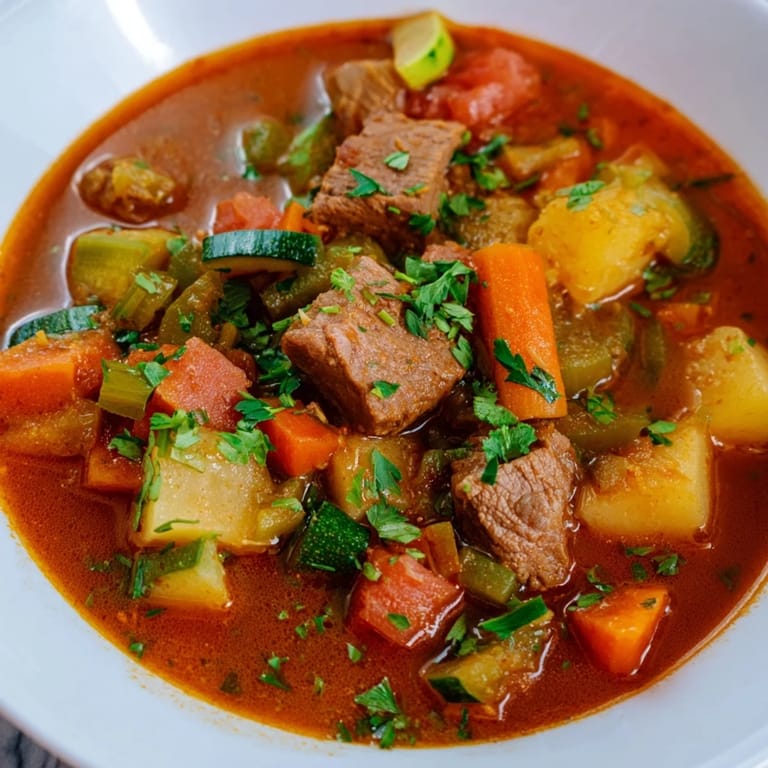
- Stir in your chopped parsley and coriander, taste the soup, and adjust salt and spices if needed. Sometimes a pinch more cumin or a tiny bit more salt is all it takes to bring everything into focus.
 Save
Save Years later, I made this soup for my own kids on a winter morning, and they watched the lamb turn golden and asked a hundred questions about every spice I added. By the time we sat down to eat, they understood something about patience and how flavors build together. That's when I knew this recipe had done what the best family recipes do—it had moved from my uncle's kitchen to mine, and from mine to theirs.
The Spices That Matter
The spice blend in chorba is what transforms simple vegetables and meat into something that tastes like it traveled through North Africa to reach your pot. Cumin brings an earthy warmth, coriander adds a subtle citrus note, paprika gives color and mild sweetness, and cinnamon—just a whisper of it—creates a backdrop of comfort. Turmeric ties everything together with its gentle golden earthiness. These aren't random additions; they're the signature of the dish, and they should feel balanced, not overwhelming. Start with the amounts listed and adjust to your taste—some families like more cinnamon, others use less chili, and that's the beauty of cooking a recipe that's been passed down.
Making It Your Own
My neighbor makes chorba with chicken instead of lamb and swears by it, while another friend adds a can of chickpeas for extra protein and texture that turns the soup almost stew-like. I've added a splash of lemon juice directly into the pot near the end and served it with crusty bread for scooping up every last drop. The core recipe is flexible—what matters is that the spices are fragrant, the broth is rich, and the herbs are fresh. Some days I add extra vegetables from whatever I have on hand, and the soup never disappoints.
Serving and Storage Wisdom
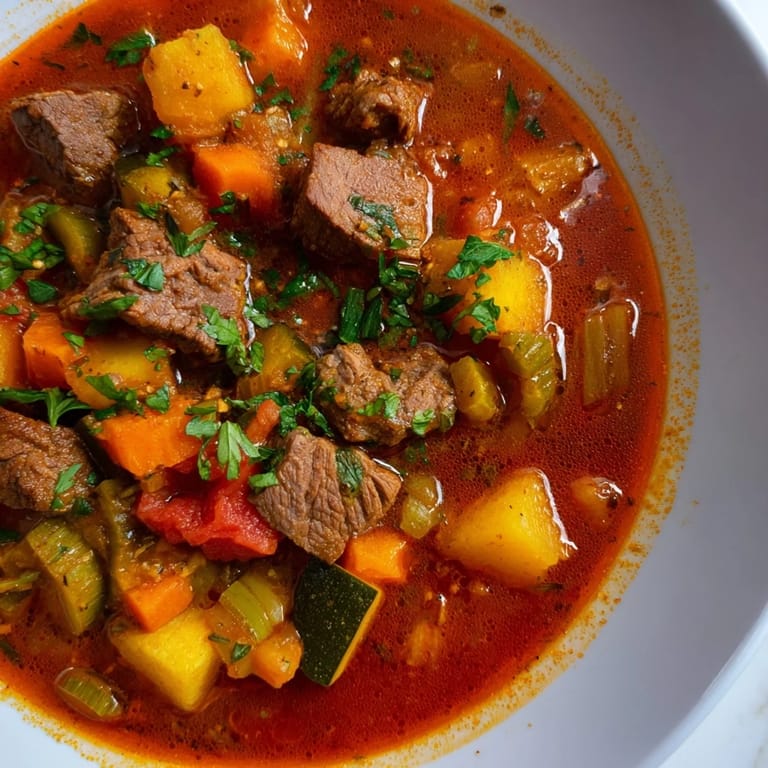
Chorba is one of those soups that tastes better on day two or three when everything has had time to settle and deepen. Store it in an airtight container in the refrigerator for up to four days, and when you reheat it, add a splash of water if the pasta has absorbed too much liquid. It also freezes beautifully for up to three months—just add the pasta after you thaw and reheat it, not before, so it doesn't get mushy. Serve it hot with lemon wedges on the side, letting people squeeze their own to taste.
- A squeeze of fresh lemon at the last moment brightens everything and makes the spices sing.
- Warm crusty bread or flatbread on the side turns this from starter to main course.
- Scatter extra fresh herbs on top of each bowl—it looks beautiful and adds a fresh note that balances the richness.
 Save
Save Make this soup when someone you care about needs more than just dinner, or when you want to taste something that connects you to a place and a people. It's the kind of cooking that fills the whole house with warmth.
Recipe Help
- → What type of meat is used in this dish?
Traditionally, lamb shoulder cut into cubes is used for its tenderness and flavor.
- → Can other base liquids be used besides water?
Yes, low-sodium beef stock can be used to deepen the broth's richness.
- → How long should the lamb simmer for best texture?
Simmering for about one hour or until the lamb is tender ensures rich flavor and proper texture.
- → Are there options to adjust the spice level?
Chili flakes are optional and can be adjusted to taste for milder or spicier variations.
- → What is a suitable accompaniment for serving?
Crusty bread or flatbread pairs well to soak up the flavorful broth.