 Save
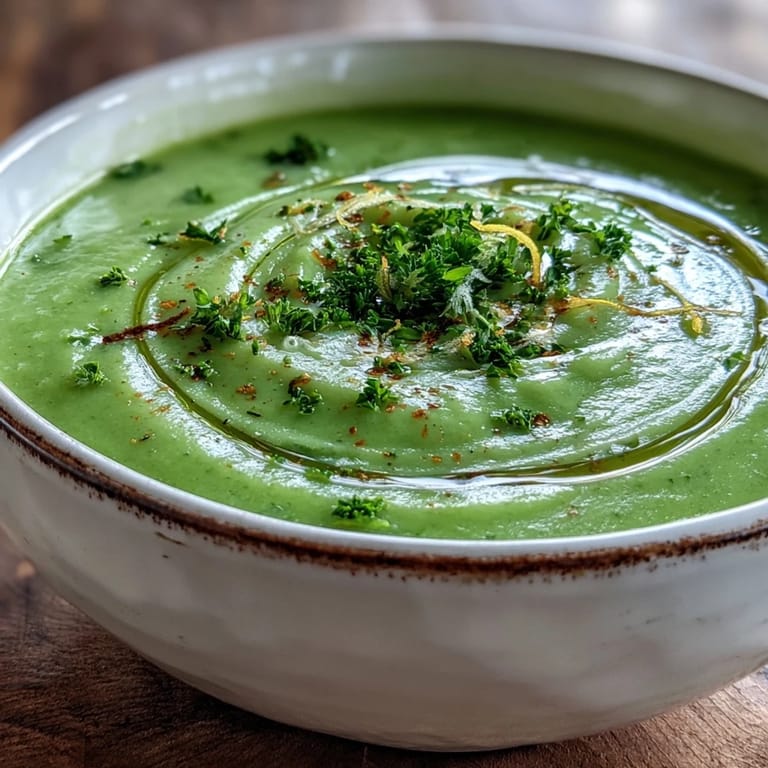
Save My neighbor came over one July afternoon with an armful of zucchinis from her garden, the kind of abundance that happens every summer when no one knows what to do with them all. She mentioned a soup her mother used to make, and something about the way she described it—silky, bright, finished with a squeeze of lemon—stuck with me. That evening, I pulled out a pot and discovered how a handful of ordinary vegetables could transform into something that tastes like summer distilled into a bowl.
I made this for a dinner party once when I was nervous about impressing people, and it became the dish everyone asked about. The simplicity of it—just vegetables, broth, and kindness—somehow made it feel more special than something that required hours of fussing. One guest asked for the recipe before dessert was even served, which taught me that food doesn't need to be fancy to matter.
Ingredients
- Olive oil: Use good olive oil here, not the expensive stuff for dipping, but the kind you actually cook with; it carries the flavor of everything that follows.
- Onion and celery: These are your foundation, the quiet backbone that makes everything taste more like itself.
- Garlic cloves: Mince them by hand if you have time; the knife work becomes meditative, and the garlic releases its sweetness more gradually.
- Zucchini: Look for medium ones that feel firm, not the giants that are all water and seeds; they make a difference in texture and taste.
- Potato: This is what creates the silkiness without cream if you choose to skip it, so don't leave it out.
- Vegetable broth: Taste your broth before adding it; if it's good, the soup will be good.
- Cream or coconut milk: Optional but it transforms the soup into something luxurious; coconut milk works beautifully for a vegan version.
- Fresh parsley, basil, and thyme: Add these after cooking so they keep their brightness and don't turn into an afterthought.
- Lemon zest: The secret ingredient that wakes everything up; don't skip it or substitute juice.
Tired of Takeout? 🥡
Get 10 meals you can make faster than delivery arrives. Seriously.
One email. No spam. Unsubscribe anytime.
Instructions
- Build your base:
- Warm the olive oil in a large pot and add your onion and celery, letting them soften for about 4 minutes until they start to turn translucent at the edges. The kitchen will smell welcoming already, like something good is beginning.
- Wake up the garlic:
- Add your minced garlic and let it cook for just a minute—you want it fragrant but not brown, which would make it bitter. This is where you'll notice the smell shift, becoming richer and deeper.
- Add the vegetables:
- Stir in your zucchini slices and potato pieces, cooking for about 5 minutes while stirring occasionally. Watch them start to release their moisture and soften slightly, creating a lovely mound of vegetables in the pot.
- Bring it to life with broth:
- Pour in your vegetable broth and bring everything to a boil, then reduce the heat and let it simmer partially covered for about 15 minutes. The vegetables will become so tender they fall apart when you touch them with a spoon.
- Infuse with herbs:
- Remove from heat and add your fresh parsley, basil, thyme, and lemon zest all at once, stirring gently so the herbs release their oils. The aroma will shift again, becoming fresher and more alive.
- Blend to silkiness:
- Using an immersion blender, blend the soup until it's completely smooth and silky, working in batches if needed. The transformation from chunky to velvety happens before your eyes.
- Finish with creaminess:
- Stir in your cream or coconut milk if using, then taste and adjust the seasoning with salt and pepper. Some days you'll want it richer, some days you'll want it lighter—there's no wrong choice.
- Serve it warm or cold:
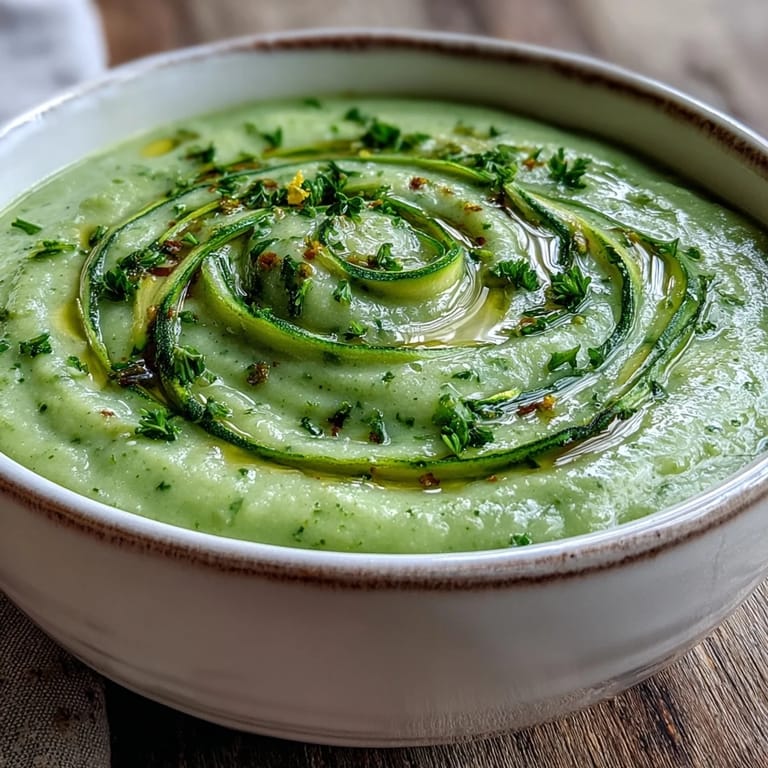
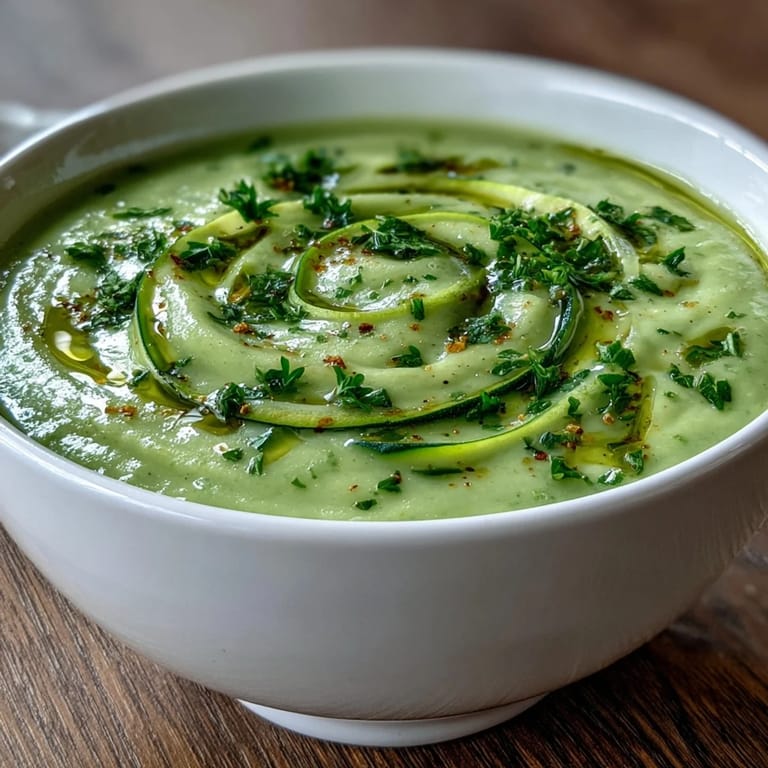
- You can serve this hot immediately or let it cool and chill it for a refreshing cold soup on hot afternoons. Garnish with extra herbs and a drizzle of good olive oil or a swirl of cream.
 Save
Save This soup taught me something unexpected: that sometimes the best meals are the ones that sneak up on you, made from leftover produce and a simple instinct rather than ambition. It's become my answer to the question of what to make when you want to feel taken care of but don't have much time.
The Magic of Summer Vegetables
Zucchini has this reputation for being bland, but that's only true if you treat it badly. Cooked properly, it becomes delicate and mild, almost sweet, which is why it pairs so well with bright herbs and lemon. The potato in this soup is doing the real work of creating body and texture, while the zucchini provides color and a certain elegance that you wouldn't get from heavier vegetables.
Variations That Work
I've made this soup in so many different ways depending on what I have or what mood I'm in. Spinach stirred in at the end adds color and nutrition without changing the delicate flavor. Swapping the herbs for dill and a touch of white wine takes it in a Scandinavian direction. The beauty of this recipe is that it's forgiving enough to welcome experimentation.
Serving and Storage
This soup tastes best eaten within a day or two, though it keeps for up to four days in the refrigerator. Reheat it gently on the stovetop rather than in the microwave, which can make it taste flat. It freezes beautifully too, though add fresh herbs after thawing rather than before freezing.
- Serve hot with crusty bread for soaking up every last spoonful, or chilled with a drizzle of good olive oil on warm days.
- A sprinkle of toasted seeds or a handful of croutons adds texture and makes it feel more substantial.
- Pair it with a light white wine like Sauvignon Blanc, which echoes the brightness of the lemon and herbs.
 Save
Save This recipe changed the way I think about cooking with what's available rather than what's ambitious. It's become the soup I make when I want to feel comforted without the weight of heavy cream, and somehow that feels like the most honest kind of cooking there is.
Recipe Help
- → Can I freeze this zucchini soup?
Yes, this soup freezes beautifully. Allow it to cool completely before transferring to airtight containers or freezer bags. It will keep for up to 3 months. Thaw overnight in the refrigerator and reheat gently, adding a splash of broth or cream if needed to restore consistency.
- → What potatoes work best for creaminess?
Russet or Yukon Gold potatoes are ideal choices. Russets break down more during cooking, creating an exceptionally silky texture, while Yukon Golds hold their shape slightly better and add a subtle buttery flavor. Both varieties contribute to the soup's smooth body without requiring excessive cream.
- → How do I achieve the smoothest texture?
Use an immersion blender directly in the pot for convenience, or work in batches with a high-speed blender. For ultra-silky results, pass the blended soup through a fine-mesh sieve. Blending while the soup is still hot helps break down fibers more effectively, resulting in a luxurious, restaurant-quality consistency.
- → Can I make this without cream?
Absolutely. The potato naturally provides creaminess as it breaks down during cooking. For a dairy-free version, coconut milk adds richness and subtle sweetness. Alternatively, blend a small portion of cooked white beans into the soup for added body and protein without altering the fresh zucchini flavor.
- → What herbs complement zucchini best?
Fresh parsley, basil, and thyme form a classic trio that enhances zucchini's mild sweetness. Dill or mint can add refreshing notes, especially when serving chilled. For a more Mediterranean profile, incorporate fresh oregano or marjoram. Add tender herbs like basil at the end to preserve their delicate oils.
- → Is it better served hot or chilled?
This versatile soup shines both ways. Serve chilled on warm summer days for a refreshing, light starter. The lemon zest and fresh herbs become particularly vibrant when cold. During cooler months, serve it hot, perhaps with crusty bread for dipping. The silky texture remains satisfying at either temperature.