 Save
Save My grandmother used to say that candied yams weren't just food, they were proof that someone loved you. Growing up, I'd watch her peel those orange beauties in her kitchen while steam rose from the stove, the smell of cinnamon and butter filling every corner of the house. One Thanksgiving, I finally asked her for the recipe instead of just hovering nearby hoping to absorb it through osmosis. She laughed and handed me a worn index card with instructions scrawled in pencil, and that's when I realized this dish was less about technique and more about intention.
I made this for a potluck once where I didn't know anyone very well, and I remember being nervous about contributing something that felt too traditional. But watching people's faces when they tasted it—that moment when their eyes closed and they took another bite—that's when I stopped worrying about whether my food was impressive enough. It became the dish people asked me to bring every gathering after that, and honestly, I stopped bringing anything else.
Ingredients
- Yams or sweet potatoes (4 large, about 2 lbs): The foundation of everything—look for ones that feel firm and have unblemished skin, as they'll hold their shape better during cooking.
- Packed light brown sugar (1 cup): Don't skip the packing step; it ensures the right depth of molasses flavor without making the syrup taste flat.
- Granulated sugar (1/2 cup): This balances the brown sugar and keeps the syrup from becoming one-dimensional.
- Unsalted butter (1/2 cup): Room temperature is ideal, but cold butter works too—it just takes an extra minute to fully melt into the syrup.
- Water (1/4 cup): This prevents the syrup from becoming too thick too quickly and helps distribute the heat evenly.
- Orange juice (1/4 cup, optional): A trick I learned after making this dish dozens of times—it adds brightness that cuts through the richness and makes people wonder what secret ingredient you used.
- Ground cinnamon (1 teaspoon): Use fresh spices if you can; old ones sitting in your cabinet lose their power and the dish suffers for it.
- Ground nutmeg (1/2 teaspoon): A tiny amount goes a long way here, so measure carefully to avoid overpowering the other flavors.
- Ground ginger (1/4 teaspoon): This adds a subtle warmth that makes people ask what gives the dish its complexity.
- Salt (1/4 teaspoon): Essential for awakening all the other flavors, even though it seems counterintuitive in a sweet dish.
- Vanilla extract (1 teaspoon): Real vanilla makes a noticeable difference here; the cheap stuff tastes thin by comparison.
Tired of Takeout? 🥡
Get 10 meals you can make faster than delivery arrives. Seriously.
One email. No spam. Unsubscribe anytime.
Instructions
- Get your oven ready:
- Preheat to 350°F (175°C) and give it a few minutes to reach temperature—this matters more than you'd think because it ensures the yams cook evenly without the edges drying out.
- Arrange your yams:
- Peel and slice them into 1/2-inch rounds, then layer them in a 9x13-inch baking dish in a single, even layer so they cook at the same rate.
- Build the syrup:
- Combine brown sugar, granulated sugar, butter, water, and orange juice in a medium saucepan over medium heat, stirring occasionally until the butter melts and the sugar dissolves—you'll know it's ready when there are no grainy bits and everything looks smooth.
- Finish the syrup with spices:
- Remove from heat and stir in cinnamon, nutmeg, ginger, salt, and vanilla, mixing until everything is completely incorporated and fragrant.
- Pour and coat:
- Pour the hot syrup evenly over the yams, making sure every slice gets coated because the ones that miss the syrup won't taste nearly as good.
- Covered bake:
- Cover tightly with aluminum foil and bake for 30 minutes—the foil traps steam and helps soften the yams without letting them dry out on top.
- Uncover and finish:
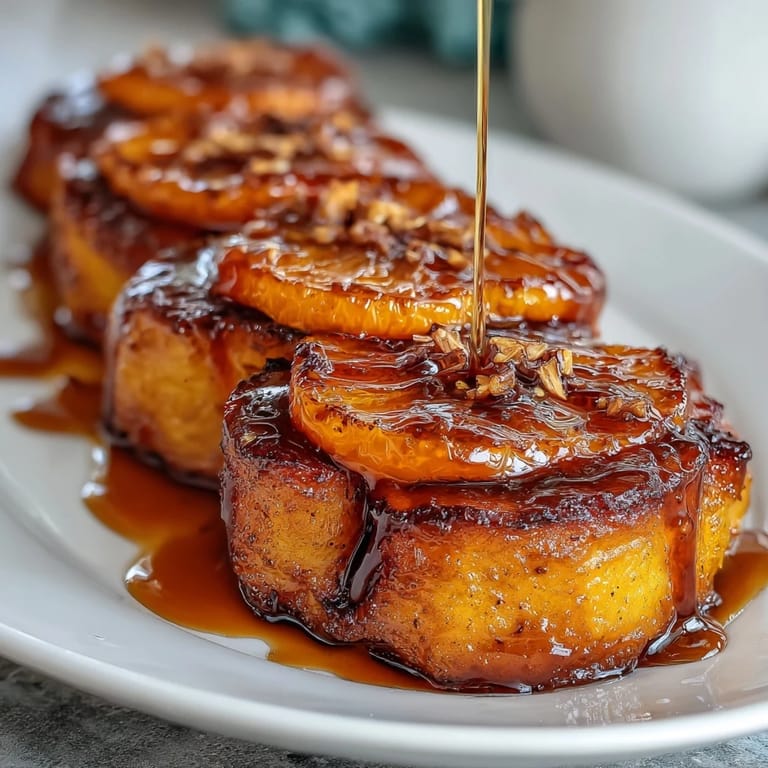
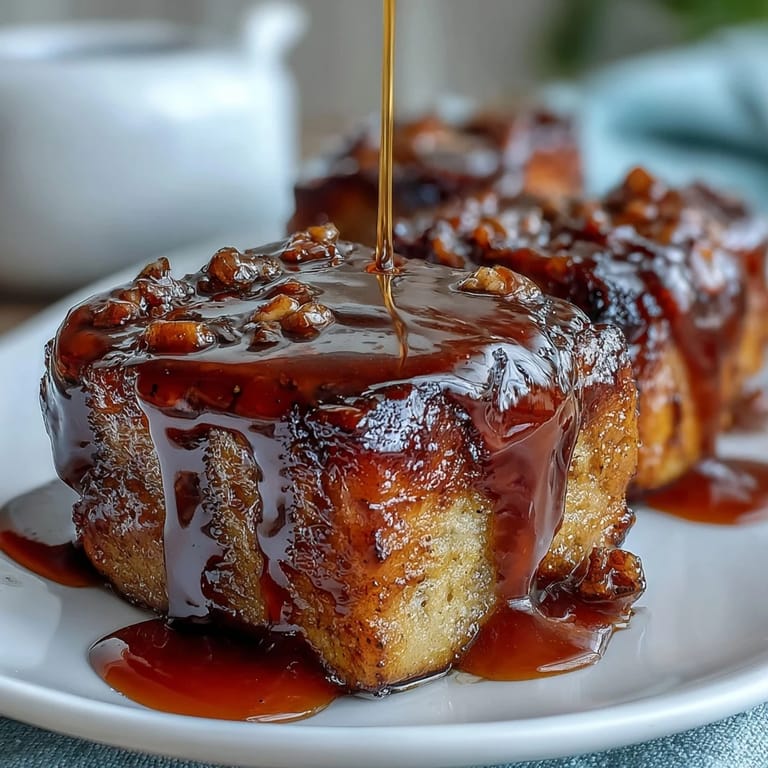
- Remove the foil, give the yams a gentle baste with the syrup, then bake uncovered for another 20 minutes until the yams are fork-tender and the syrup has thickened into something glossy and cling-to-the-spoon delicious.
- Let it rest:
- Allow the dish to cool for 10 minutes before serving—this gives the syrup time to set slightly and makes serving cleaner, plus it brings the temperature to something more comfortable to eat.
 Save
Save There was a year when my sister was going through something difficult, and I made this dish for her on an ordinary Tuesday evening for no particular reason except that I wanted her to feel cared for. She sat at my kitchen counter and cried a little while eating it, and then she laughed and asked if I'd made some kind of emotional manipulation syrup. We both knew better—it was just butter and sugar and time, but sometimes that's exactly what people need to remember they're not alone.
The Spice Balance That Matters
I once doubled the cinnamon because I thought more spice meant more flavor, and I ended up with something that tasted like I'd dumped an entire spice rack into the baking dish. The lesson stuck with me—these measurements are calibrated specifically so each spice plays its part without drowning out the others. Nutmeg adds an earthy richness, ginger brings subtle heat, and cinnamon ties everything together. When they work in harmony, the dish tastes sophisticated without anyone being able to name exactly what makes it taste so right.
Why Basting Makes the Difference
The moment you remove that foil and baste the yams with the syrup halfway through cooking is when the magic happens. The exposed yams start to caramelize where they meet the syrup, creating these beautiful amber edges that catch the light. The whole kitchen suddenly smells more intensely of everything—butter, brown sugar, spice—and you know you're close to something special. Some people skip this step thinking it's extra work, but honestly, it takes thirty seconds and transforms the dish from good to the kind of thing people remember years later.
Variations and Additions That Work
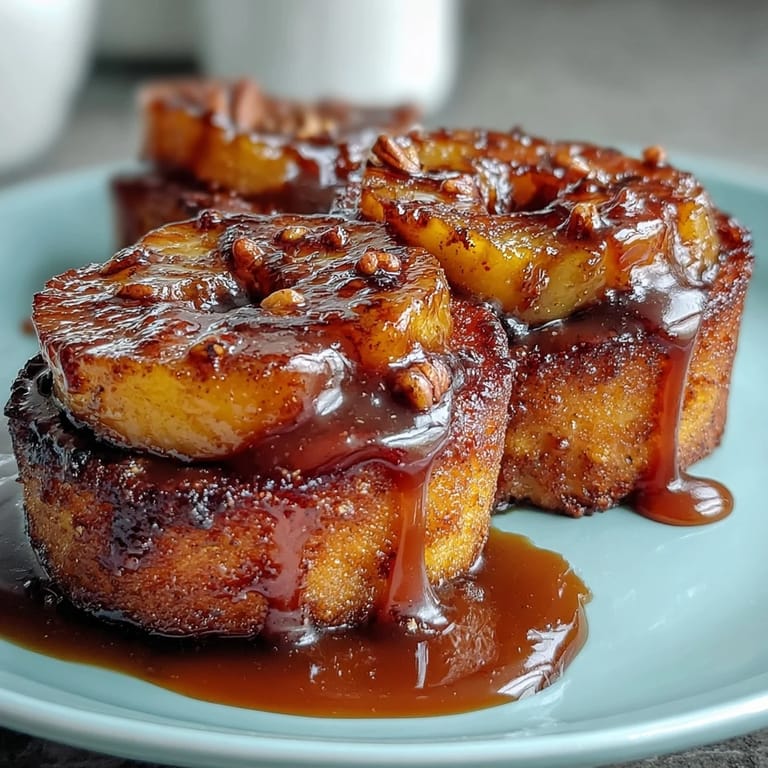
This recipe is generous enough to welcome additions without losing its soul. I've added pecans in the last ten minutes and watched them toast slightly in the syrup, which gives you a textural contrast that feels intentional. Marshmallows during those final minutes create pockets of sweetness that melt into the syrup, though you have to watch carefully so they don't burn. My personal favorite variation is brushing the finished dish with a tiny bit of bourbon before serving, which adds a warmth that doesn't taste like alcohol but tastes like someone understands how to finish things properly.
- Toast pecans in a dry skillet for two minutes before adding them to get maximum flavor and prevent them from turning bitter.
- If using marshmallows, only add them in the last five to eight minutes so they soften without charring completely.
- The bourbon trick works best when you use just a teaspoon and brush it on while the dish is still hot so it blends in seamlessly.
 Save
Save This dish carries something bigger than its ingredients—it's comfort and care baked into an orange-brown glaze. Whether you're making it for a holiday table or a quiet Tuesday night, the love you put into it shows.
Recipe Help
- → What type of yams work best for this dish?
Large sweet potatoes or yams peeled and sliced into half-inch rounds work best for even cooking and syrup absorption.
- → Can I substitute the butter for a dairy-free option?
Yes, vegan butter or coconut oil can replace butter to keep the dish dairy-free without compromising richness.
- → How do the spices enhance the flavor?
Cinnamon, nutmeg, and ginger add warm, aromatic notes that balance the sweetness of the brown sugar syrup perfectly.
- → Is orange juice necessary in the syrup?
Orange juice is optional; it adds a subtle brightness and a hint of citrus that complements the warm spices.
- → How should I bake the yams for the best texture?
Covering with foil initially helps tenderize the yams, and uncovering them in the last stage thickens the syrup and creates a glossy finish.