 Save
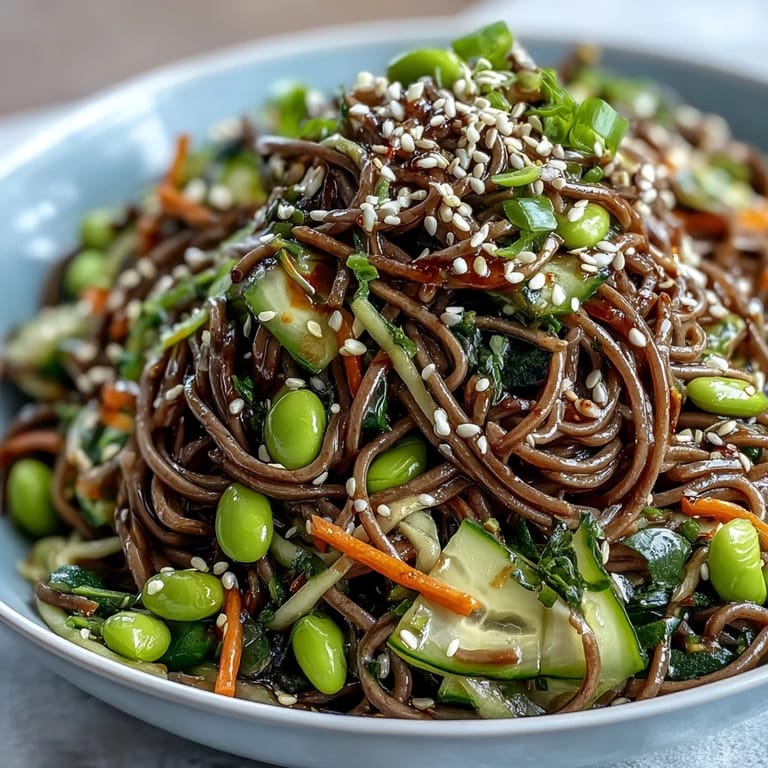
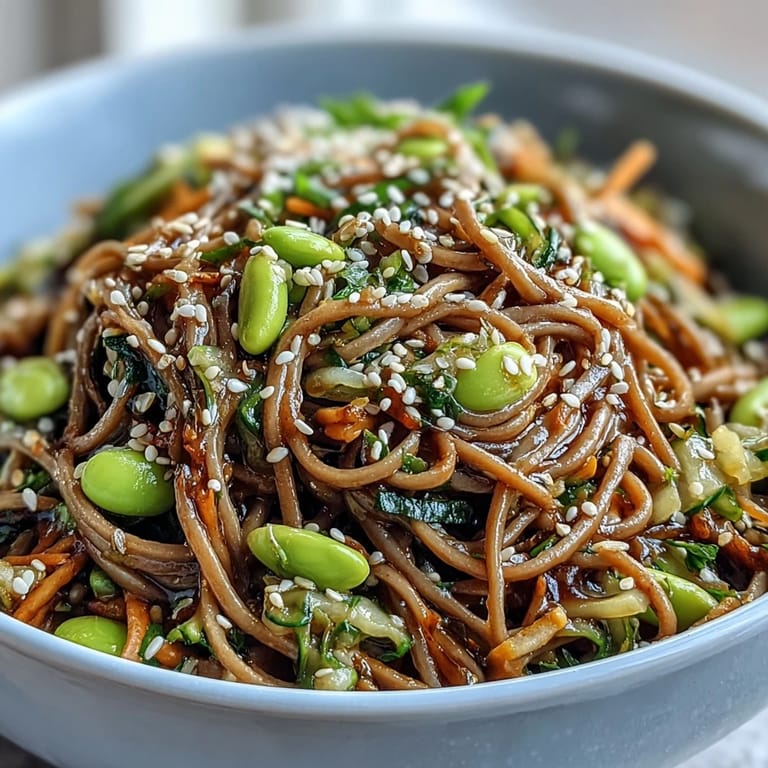
Save My coworker brought a soba noodle bowl to lunch one sweltering afternoon, and I watched her eat it with such quiet contentment that I had to ask for the recipe. She explained it in between bites, mentioning how the cold noodles and crisp vegetables felt like a reset button on days when the kitchen felt too hot to turn on the oven. That conversation sparked something in me—a realization that sometimes the best meals are the ones that don't demand much from you but give back everything in flavor and energy.
I made this for my sister during one of those unexpected visits where she showed up at my door stressed about work, and we ended up sitting on my kitchen counter with our bowls, talking for hours. The noodles were cool and refreshing, the vegetables were loud when we bit into them, and somehow the simplicity of it all made space for real conversation. That's when I understood—this bowl isn't just nutritious, it's restorative in a way that goes beyond what the numbers tell you.
Ingredients
- Dried soba noodles (250 g): These buckwheat noodles have an earthy, slightly nutty flavor that sets them apart from regular pasta. They cook faster than you'd think, so don't wander off once the water boils.
- Shelled edamame (1 cup): Whether you use fresh or frozen doesn't matter much, but the brief blanch brings out their sweetness and gives them a tender bite that contrasts beautifully with the chewy noodles.
- Cucumber (1 medium): Julienning takes an extra minute but creates those satisfying thin ribbons that cool your mouth down between bites.
- Carrots (2 medium): Peeled and cut thin, they stay slightly crisp and add a gentle sweetness that balances the savory dressing.
- Scallions (2): Slice these thin and scatter them over the top just before serving so they keep their sharp onion bite.
- Toasted sesame seeds (2 tbsp): Don't skip the toasting step if yours aren't pre-toasted—the difference in flavor is remarkable and worth the two minutes.
- Fresh cilantro or mint (1/4 cup optional): These herbs are optional but they shift the whole bowl toward brightness if you're in the mood for something more fragrant.
- Soy sauce or tamari (3 tbsp): This is the backbone of your dressing, so taste it as you mix and adjust to your salt preference.
- Rice vinegar (2 tbsp): The acidity here keeps the dressing from tasting too rich and makes every bite feel fresh.
- Toasted sesame oil (1 tbsp): Use just enough to taste—this oil is potent and a little goes a long way toward that toasted, aromatic quality.
- Tahini or smooth peanut butter (1 tbsp): This creates body in the dressing and makes it cling to the noodles instead of pooling at the bottom of the bowl.
- Honey or maple syrup (1 tbsp): A touch of sweetness rounds out the flavors and keeps the dressing from tasting too salty or vinegary.
- Fresh ginger (1 tsp grated): This adds warmth and a subtle spice that makes people pause and ask what that flavor is.
- Garlic clove (1 small minced): Just one clove keeps things subtle—you want the garlic to whisper, not shout.
- Water (1 tbsp): Have this on hand to loosen the dressing if it thickens up, since tahini can absorb liquid as it sits.
Tired of Takeout? 🥡
Get 10 meals you can make faster than delivery arrives. Seriously.
One email. No spam. Unsubscribe anytime.
Instructions
- Get your water boiling:
- Fill a medium saucepan with water and bring it to a rolling boil—you'll want enough water that the noodles can move around freely as they cook.
- Cook the soba noodles:
- Once the water is boiling, add the noodles and stir gently to separate them. Follow the package timing, but start checking around the 4-minute mark because some brands cook faster than others. You're looking for tender but still slightly chewy, not mushy.
- Drain and shock the noodles:
- Tip them into a colander and immediately rinse under cold running water, stirring gently with your fingers to stop the cooking and rinse away excess starch. This step is what keeps them from clumping together.
- Blanch the edamame:
- While the noodles cook, bring a separate small pot of salted water to boil. Add the edamame and let them cook for 2 to 3 minutes until they're tender but still bright green. Drain them in a small colander and set aside to cool slightly.
- Make the dressing:
- In a small bowl, whisk together the soy sauce, rice vinegar, sesame oil, tahini, honey, ginger, and garlic until it's smooth and emulsified. If it's too thick to pour, add water a teaspoon at a time until you reach the consistency of loose salad dressing.
- Prepare your vegetables:
- Julienne the cucumber and carrots into thin matchstick pieces using a knife or mandoline. Thinly slice the scallions on a sharp angle so they look elegant and distribute flavors evenly.
- Dress the noodles:
- Place the cooled noodles in a large bowl and pour half the dressing over them. Toss gently with your hands or two forks until every noodle is coated and glistening. This step is crucial because you want the noodles to absorb those flavors rather than all the dressing sitting on top.
- Assemble your bowls:
- Divide the dressed noodles among four bowls. Arrange the edamame, cucumber, and carrots on top of each portion in whatever pattern feels right to you. Scatter the scallions over everything.
- Drizzle and garnish:
- Pour the remaining dressing over each bowl, allowing it to seep into the noodles and dress the vegetables. Finish with a generous sprinkle of toasted sesame seeds and the fresh herbs if you're using them. Serve right away while everything still has its distinct textures.
 Save
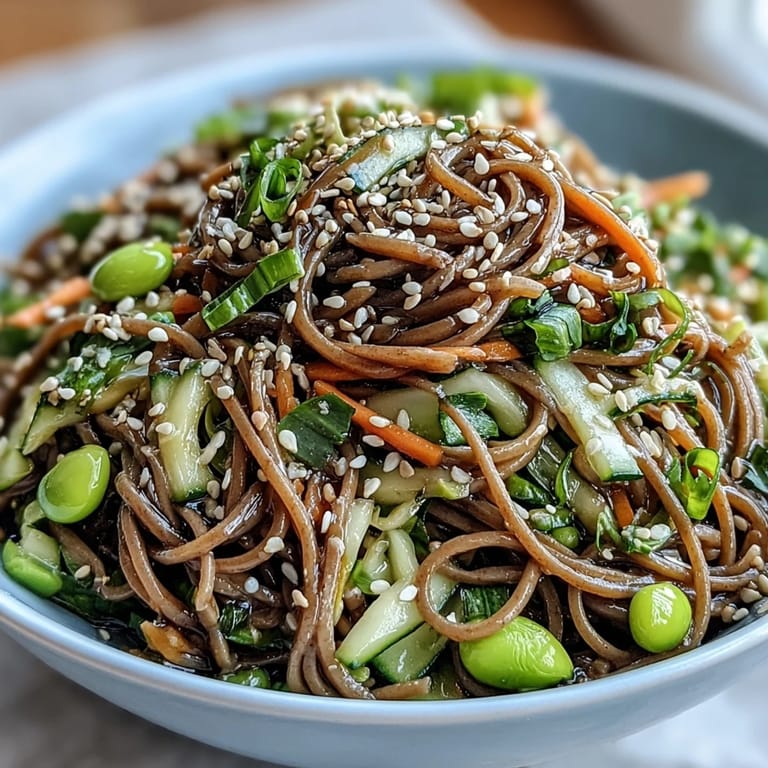
Save There's something about eating cold noodles on a warm day that feels like you're doing something good for yourself. My friend mentioned once that she started making this bowl during her morning commute decision-making, asking herself whether her body needed heavy or light, and she'd always choose this. It became her shorthand for taking care of herself when things felt chaotic.
Making It Your Own
The beauty of a noodle bowl is how much it welcomes your preferences without demanding they be specific. Swap the cucumber for thinly sliced radishes if you want more crunch, or use snap peas and bell peppers if that's what your market has looking fresh. The dressing holds everything together, so the vegetables are really just your moment to add color and seasonal vegetables you're excited about eating.
Protein Additions
On nights when I want something more substantial, I'll add grilled tofu that I've marinated in a bit of the dressing, or I'll crack a soft-boiled egg right on top and let the warm yolk run into the cool noodles. Some people use shredded rotisserie chicken or even thin slices of seared salmon if they're eating this as a more formal dinner. The bowl is flexible enough to handle whatever protein makes sense for your mood or your fridge situation.
Flavor Tweaks and Substitutions
If you're cooking for someone who prefers things less spicy, reduce the ginger slightly or skip it entirely and let the sesame oil do the heavy lifting. For gluten-free meals, just make absolutely certain your soba noodles are labeled as 100 percent buckwheat—some brands sneak wheat flour in there. This bowl also works beautifully alongside chilled green tea in the summer or a light riesling if you're making it for guests.
- You can make extra dressing and keep it in a jar in the fridge for up to a week, then use it on literally any combination of greens or cooked vegetables.
- If tahini isn't available or you have peanut allergies, use smooth almond butter for a similar texture and a slightly different but equally delicious flavor.
- Prep all your vegetables the morning of if you want to eat this quickly, storing them in separate containers so they stay crisp and ready to assemble.
 Save
Save This bowl taught me that nourishing food doesn't have to be complicated or time-consuming—sometimes the best meals are the ones that feel light enough for a weeknight but thoughtful enough for company. There's freedom in that simplicity.
Recipe Help
- → Are soba noodles gluten-free?
Traditional soba noodles contain wheat, but you can find 100% buckwheat varieties that are naturally gluten-free. Always check the label and use tamari instead of soy sauce to keep the entire dish gluten-free.
- → Can I make this ahead of time?
Yes, prepare the vegetables and dressing up to 2 days in advance. Store the noodles separately and toss everything together just before serving to maintain the best texture and prevent sogginess.
- → What vegetables work best in this bowl?
Crisp vegetables like cucumber, carrots, bell peppers, snap peas, radishes, and shredded cabbage work beautifully. Choose colorful options that provide crunch and contrast well with the soft noodles.
- → How do I prevent soba noodles from sticking together?
Rinse the cooked noodles thoroughly under cold water immediately after draining. This removes excess starch and stops the cooking process, keeping them separate and chewy rather than gummy.
- → Can I add protein to make it more filling?
Absolutely. Grilled tofu, baked tempeh, shredded chicken, or soft-boiled eggs make excellent additions. Edamame already provides plant-based protein, but these options make it a more substantial meal.
- → What can I substitute for tahini in the dressing?
Smooth peanut butter, almond butter, or cashew butter work well as alternatives. Each brings a slightly different flavor profile while maintaining the creamy texture that balances the tangy and savory elements.