 Save
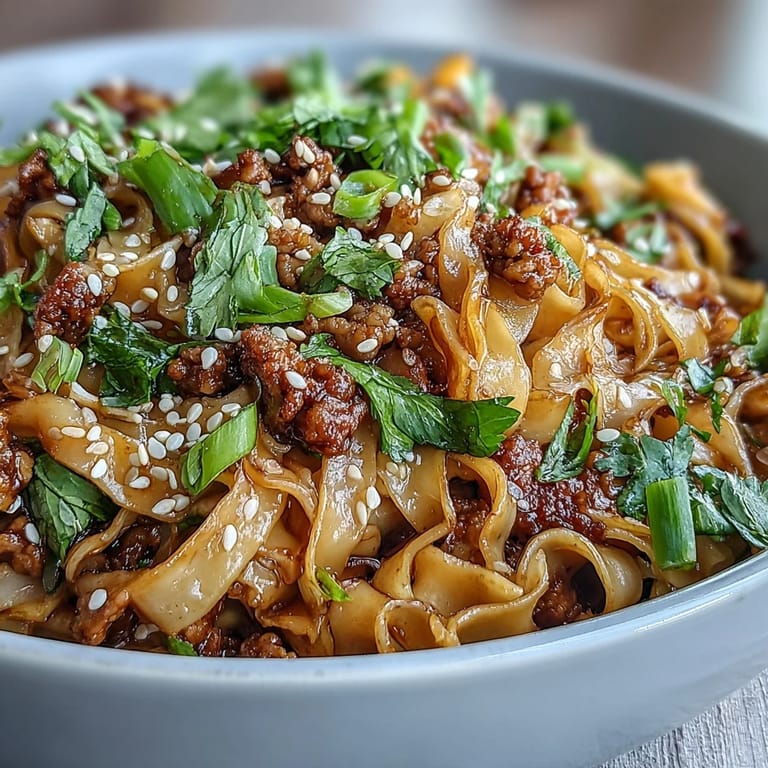
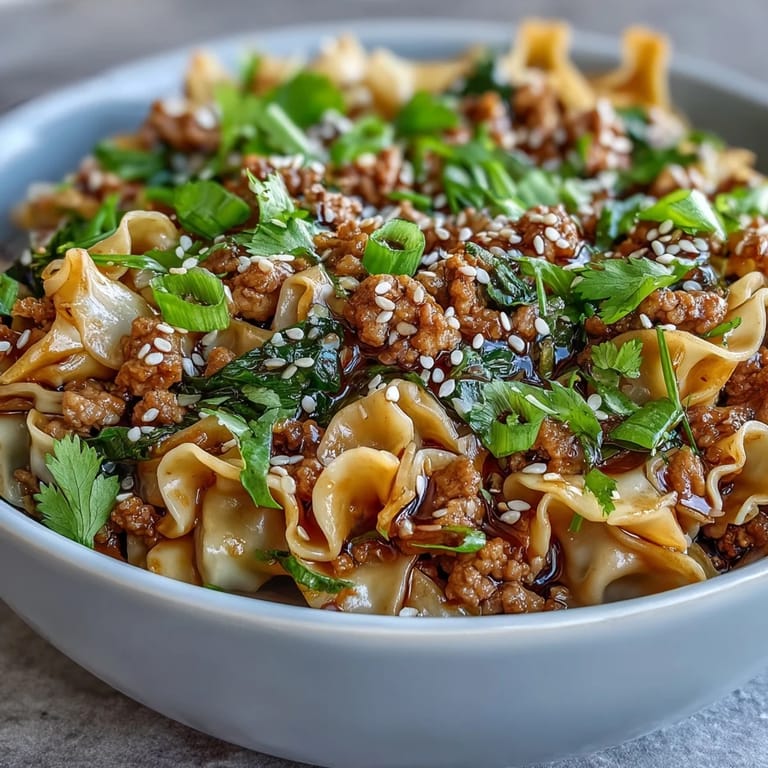
Save My roommate once came home with a bag of frozen potstickers and zero patience to steam them. We dumped the filling idea into a pan with noodles instead, and what came out of that lazy Wednesday night became something I now crave on purpose. The soy-glossed pork, the slight char on the cabbage, the way sesame oil perfumes the whole kitchen—it all happens faster than waiting for dumplings to steam. Now I skip the wrappers entirely and go straight to the bowl.
I made this for a friend who was convinced she hated ground pork. She ate two bowls, then texted me the next day asking for the recipe. The trick was the way the meat gets seasoned before it even hits the pan, so every crumble tastes like the inside of a perfect dumpling. Watching her go quiet over her bowl, chopsticks moving fast, was all the validation I needed.
Ingredients
- Rice noodles or lo mein noodles: Rice noodles give you that slippery, delicate chew, while lo mein brings more bite—use what you love or whatever is already in your pantry.
- Ground pork or chicken: Pork has more fat and flavor, which means better browning and richer sauce, but chicken works if you want something leaner.
- Soy sauce, sesame oil, cornstarch, white pepper, sugar, salt: This is your dumpling filling seasoning—cornstarch makes the meat tender and a little sticky, white pepper adds that classic dim sum warmth.
- Napa cabbage (optional for meat mix): Finely minced and squeezed dry, it keeps the meat juicy and adds a subtle vegetal sweetness.
- Neutral oil: Canola, vegetable, or peanut oil can take high heat without smoking, which you need for browning.
- Garlic and ginger: Freshly minced and grated, these two create the aromatic base that makes the whole dish smell like your favorite dumpling house.
- Green onions: Whites go in early for flavor, greens go in at the end for color and a sharp, fresh bite.
- Green cabbage, carrots, mushrooms: Shredded and sliced thin, they cook fast and add crunch, sweetness, and earthiness.
- Bean sprouts: Optional, but they bring a crisp, refreshing texture that balances the richness.
- Cilantro, sesame seeds, lime wedges: Garnishes that make the bowl feel alive—use them all or skip what you do not like.
- Low-sodium soy sauce, rice vinegar, oyster sauce, chili-garlic sauce, sesame oil, brown sugar, chicken broth: This is your potsticker dipping sauce turned into a glaze—salty, tangy, sweet, spicy, and just thick enough to coat every noodle.
Tired of Takeout? 🥡
Get 10 meals you can make faster than delivery arrives. Seriously.
One email. No spam. Unsubscribe anytime.
Instructions
- Prepare the noodles:
- Boil them until just tender, then drain and rinse quickly under cold water to stop the cooking. Toss with a few drops of oil so they do not clump into a stubborn brick while you cook everything else.
- Season the meat:
- Whisk the soy sauce, sesame oil, cornstarch, white pepper, sugar, and salt together, then pour it over the ground meat and mix gently until it feels slightly sticky. If you are using minced napa cabbage, fold it in now—it will keep the meat juicy as it cooks.
- Make the sauce:
- Combine soy sauce, rice vinegar, oyster or hoisin sauce, chili-garlic sauce, sesame oil, brown sugar, and broth in a bowl and whisk until the sugar dissolves. Taste it now and adjust the heat or sweetness to match your mood.
- Prepare the vegetables:
- Shred the cabbage and carrots, slice the mushrooms thin, and separate the white and green parts of the onions. Having everything ready before you start cooking makes the stir-fry smooth and stress-free.
- Brown the meat:
- Heat oil in a large skillet or wok over medium-high heat, then add the seasoned meat in an even layer and let it sit undisturbed for a few minutes. Those crispy, caramelized edges are where all the flavor lives, so resist the urge to stir too soon.
- Add aromatics:
- Push the browned meat to one side, add a little more oil to the empty space, then toss in the garlic, ginger, and white parts of the green onions. Stir them for less than a minute until they smell incredible, then mix everything together.
- Cook vegetables:
- Add the mushrooms first and let them soften, then toss in the cabbage and carrots and stir-fry until the cabbage wilts but still has some crunch. If the pan looks dry, splash in a little water to keep things moving.
- Combine with sauce:
- Pour the prepared sauce over the meat and vegetables, toss everything to coat, and let it simmer for a minute or two until the sauce thickens slightly and clings to everything.
- Add noodles:
- Add the cooked noodles to the pan and toss gently but thoroughly, making sure every strand gets coated in sauce. If it looks too dry, add a splash of water or broth—bean sprouts can go in during the last minute if you are using them.
- Finish and serve:
- Taste and adjust with more soy sauce, chili-garlic sauce, or a squeeze of lime, then stir in half the green onion tops and turn off the heat. Divide between bowls and top with the remaining green onions, cilantro, and sesame seeds.
 Save
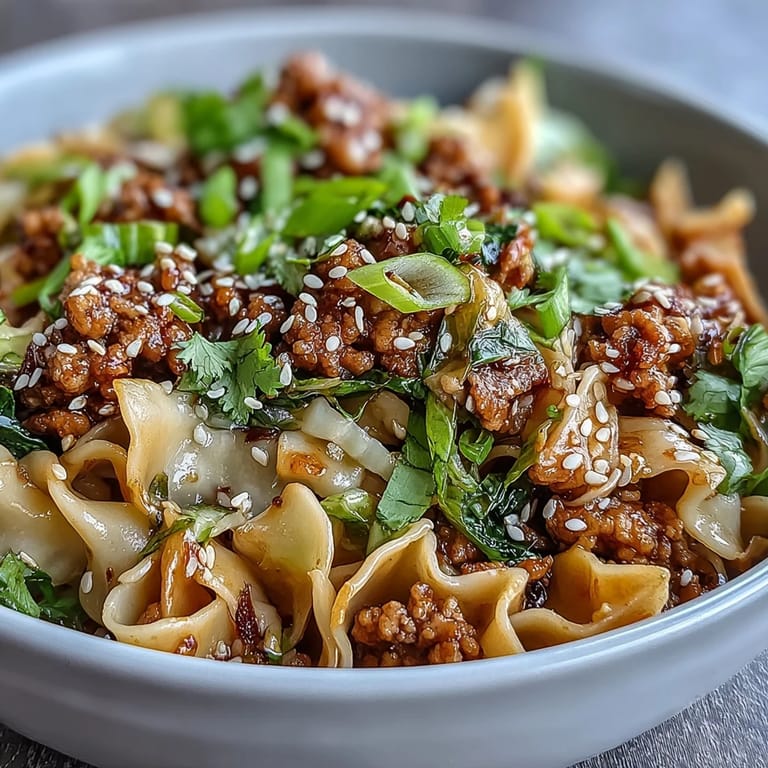
Save One night I made this for a small dinner party, and everyone went quiet in that good way where forks and chopsticks are the only sounds. Someone asked if I had ordered it, and I took that as the highest compliment. It is the kind of bowl that feels generous and indulgent but comes together so fast you can make it on a weeknight without breaking a sweat.
Choosing Your Noodles
Rice noodles are traditional and give you that silky, slippery texture that soaks up sauce beautifully. Lo mein or even ramen noodles work too if you want something chewier. I have used leftover spaghetti in a pinch, and while it was not authentic, it was still delicious. The key is to not overcook them—they will soften more when you toss them in the hot pan with the sauce.
Swapping the Protein
Ground chicken or turkey will work, though they are leaner and will not brown as deeply as pork. If you want to go plant-based, crumbled firm tofu or plant-based ground meat can be seasoned the same way—just add a little extra oil to help with browning. I have even used finely chopped shrimp, which cooks fast and tastes incredible with the ginger and garlic.
Making It Your Own
This recipe is forgiving and loves improvisation. Swap green cabbage for napa or bok choy, add snap peas or bell peppers, or throw in a handful of spinach at the end. If you want it spicier, double the chili-garlic sauce or add fresh sliced Thai chilies. A soft-boiled or fried egg on top turns this into a truly luxurious meal.
- Add a splash of black vinegar for deeper, smokier acidity.
- Top with crispy fried shallots or garlic for extra crunch.
- Serve with a side of pickled vegetables to cut through the richness.
 Save
Save This bowl has become my answer to takeout cravings, bad days, and the question of what to make when friends show up unexpectedly. It is fast, it is flexible, and it tastes like you spent way more time on it than you did.
Recipe Help
- → Can I use different types of noodles?
Yes, both rice noodles and lo mein noodles work perfectly. Rice noodles keep the dish gluten-free, while wheat noodles offer a chewier texture. Cook according to package directions.
- → What protein can I substitute for pork?
Ground chicken, turkey, beef, or plant-based meat alternatives all work well. The seasoning mixture complements any protein choice beautifully.
- → How can I adjust the spice level?
Control heat by adjusting the chili-garlic sauce or sambal oelek. Start with 1 teaspoon for mild, or increase to 2 tablespoons for extra kick. Serve additional sauce on the side.
- → Can I make this ahead of time?
The components can be prepped separately and stored. Cook the meat and vegetables, prepare the sauce, and cook noodles up to 2 days ahead. Combine and reheat when ready to serve.
- → How do I store and reheat leftovers?
Store in an airtight container in the refrigerator for up to 3 days. Reheat in a skillet or microwave with a splash of water or broth to restore moisture and prevent noodles from drying out.
- → What vegetables can I add or substitute?
Napa cabbage, baby bok choy, snow peas, bell peppers, or edamame are excellent additions or substitutions. Add heartier vegetables earlier in cooking and delicate greens at the end.