 Save
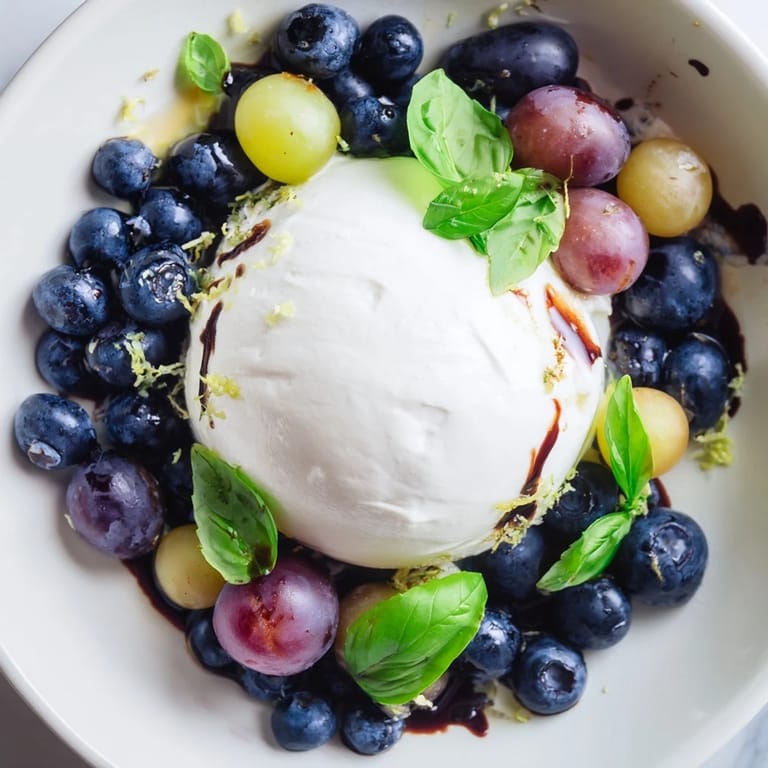
Save There's something magical about presenting food that looks like it took hours but came together in minutes. I discovered burrata at a small trattoria overlooking the Amalfi coast—or rather, I discovered it in a photo someone passed around at dinner—and became obsessed with recreating that creamy, delicate experience at home. One summer evening, with purple grapes catching the last light on my kitchen counter, I arranged them in a circle around the burrata and realized I'd accidentally created something that felt like edible poetry. The balsamic glaze caught the light just right, and suddenly this simple salad became the star of the table.
I made this for a friend who'd been stressed about hosting her first dinner party, and I watched her face transform when she set it down on the table. She kept apologizing that it was just a salad, but guests kept coming back for more, sneaking extra grapes and tearing off bits of basil. That's when I realized—food doesn't need to be complicated to feel special, it just needs to be thoughtfully arranged and served with intention.
Ingredients
- Fresh blueberries: 1 cup of these little flavor bombs give you that tartness that cuts through the cream, and they're best when they're cold from the fridge.
- Seedless purple grapes: Halve them so they nestle into the arrangement better, and their natural sweetness balances the balsamic beautifully.
- Burrata cheese: This is the heart of the dish—one large ball (about 200 g)—and it should be as fresh as possible since it's eating raw.
- Fresh basil leaves: 1/3 cup torn by hand rather than cut, because the bruising actually releases more of those fragrant oils.
- Baby arugula or mixed greens: 1 cup optional, but they create a soft bed that prevents the fruit from rolling around.
- Extra-virgin olive oil: 2 tbsp of good oil matters here since it's doing all the heavy lifting flavor-wise.
- Balsamic glaze: 1 tbsp of the thick kind, not vinegar—it should coat a spoon like liquid silk.
- Sea salt and freshly ground black pepper: These quiet the noise and let every other flavor shine.
- Lemon zest: From 1 lemon, optional, but it adds a brightness that makes people wonder what the secret ingredient is.
Tired of Takeout? 🥡
Get 10 meals you can make faster than delivery arrives. Seriously.
One email. No spam. Unsubscribe anytime.
Instructions
- Create your base:
- Spread the arugula or greens across a wide, shallow bowl or platter if you're using them—this keeps everything from sliding around and creates a color contrast that makes the fruit pop. Think of this as laying down a soft canvas.
- Arrange the moonlit ring:
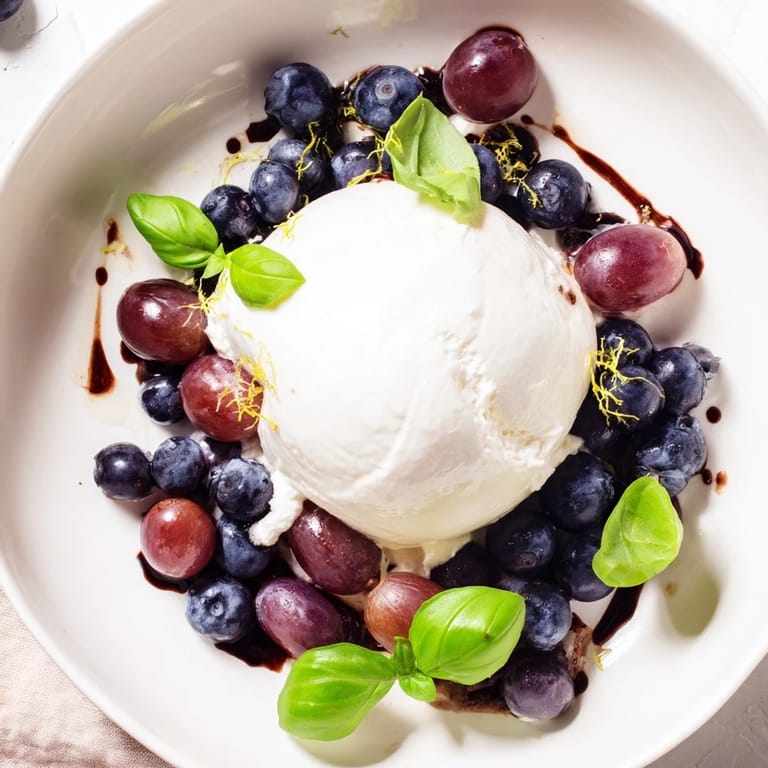
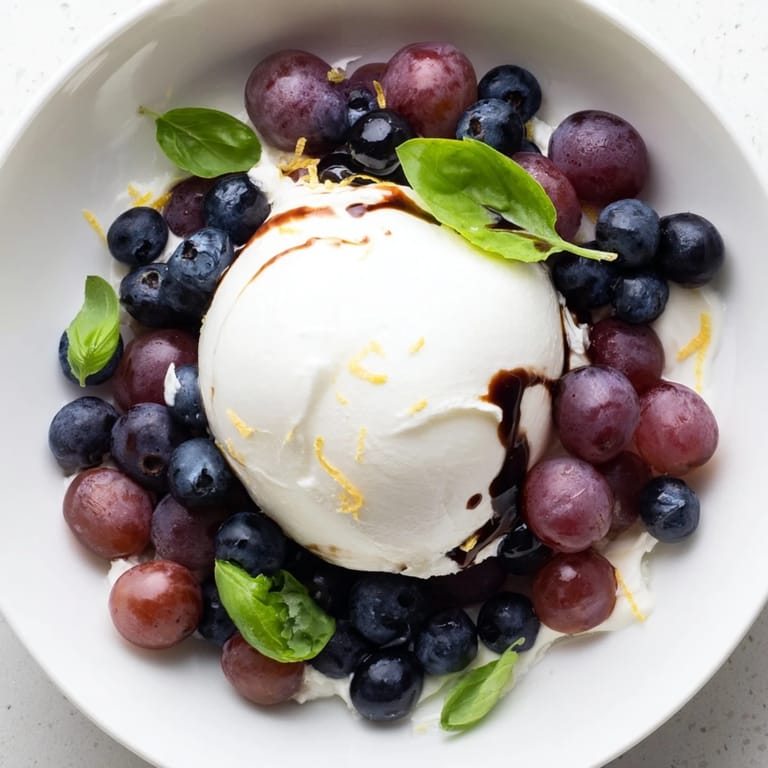
- Scatter your halved grapes and blueberries in a generous circle around the edge, leaving the center completely empty for the burrata star. Work slowly enough that you actually notice the colors coming together—it's meditative.
- Position your moon:
- Place the burrata ball dead center, and don't fuss with it—it's perfect exactly as it is, creamy and whole and waiting to be broken into.
- Drizzle the oil:
- Let olive oil cascade over everything in a thin, even stream, making sure some pools on the burrata where it'll catch the light.
- Add the glaze:
- Spoon the balsamic in delicate streaks across the berries and over the top of the burrata, moving slowly so it trails like liquid gold.
- Finish with herbs and season:
- Tear the basil by hand and scatter it over everything, then add lemon zest if you're using it, and finish with salt and pepper that you can actually see—it matters.
- Serve immediately:
- This dish is best within minutes of assembling, while the temperature contrast is still alive between cool burrata and room-temperature fruit.
 Save
Save I'll never forget my grandmother asking why I was making a salad that looked like a painting, and then watching her break into the burrata with her spoon and go quiet for a moment. That's when food becomes memory—not because it's complicated, but because it lands at exactly the right time with exactly the right people.
The Art of Arrangement
There's a reason restaurants obsess over plating, and it's not pretension—it's because your eyes eat first. When you take time to arrange this salad instead of just dumping ingredients into a bowl, something shifts in how people experience it. The moon metaphor isn't accident; it's a real visual story that makes this feel like more than a salad.
Timing and Temperature
The magic here is that everything stays cold and fresh and tastes like summer itself, which means you can assemble this moments before serving and it'll be perfect. I've learned that the moment burrata hits warmth it changes texture, so if you're making this for later in a meal, keep the cheese separate until the last possible second. Everything else—fruit, greens, dressing—actually improves slightly if you let them get to know each other for a few minutes.
Variations That Keep It Fresh
The beauty of this structure is how flexible it becomes once you understand what's actually happening—you're balancing creamy with tart, soft with crisp, sweet with herbaceous. I've swapped the grapes for raspberries on nights when I wanted more tartness, added toasted pistachios for crunch, and once even used blackberries when blueberries weren't at their peak. The balsamic glaze is your anchor that holds everything together no matter what fruit you choose.
- Toast some walnuts or pistachios for a textural contrast that makes this feel more substantial.
- A sprinkle of fresh mint alongside the basil shifts the flavor profile toward something more summery and bright.
- If berries aren't in season, use stone fruits like sliced peaches or apricots and the whole thing becomes an entirely different but equally stunning dish.
 Save
Save This dish taught me that sometimes the most memorable meals come from simplicity and attention, from choosing perfect ingredients and letting them speak. Serve it when you want people to feel seen, or when you want to remind yourself that you're capable of creating something beautiful without stress.