 Save
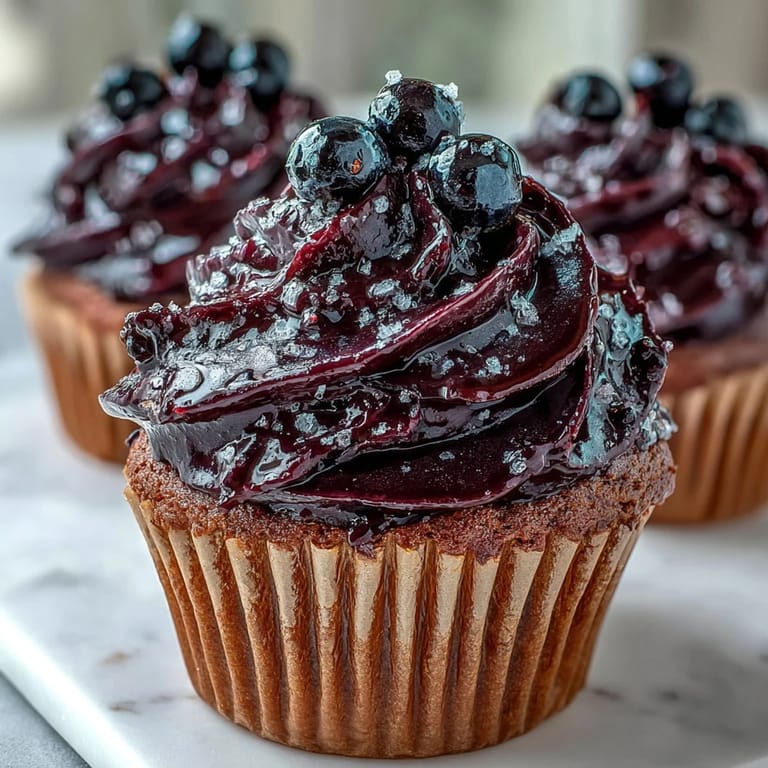
Save Black currant frosting found its way into my kitchen on a gray London afternoon when a friend handed me a jar of homemade preserves and challenged me to do something interesting with it. I'd never worked with black currants before—they felt exotic, almost mysterious—so I started experimenting with butter and powdered sugar, chasing that perfect balance between tart and sweet. The first batch was too jammy and slid right off the cupcakes, but by the third try, something clicked: a silky, jewel-toned frosting that tasted like summer berries and felt impossibly smooth under the spatula. Now it's become the frosting I reach for when I want to impress without fussing.
I served this frosting for the first time at a small dinner party where someone had just returned from Scotland with jars of proper black currant preserves. The moment guests tasted it—that initial surprise of tartness followed by deep berry sweetness—something shifted in the room. People went quiet for a second, then asked for the recipe immediately, which almost never happens with frosting. It became the frosting that people specifically requested for their birthdays after that.
Ingredients
- Black currant jam or preserves (1/2 cup): This is your star ingredient, so choose one you'd actually eat straight from the jar—seedless versions blend more smoothly, but even seedy jam works if you strain it first.
- Water (1 tablespoon): Just enough to loosen the jam slightly so it incorporates evenly without making the frosting weepy.
- Unsalted butter (1 cup, softened): Room temperature is non-negotiable here; cold butter won't cream properly and you'll end up with lumps no amount of beating can fix.
- Powdered sugar (2 1/2 cups, sifted): Sifting removes lumps that would otherwise hide in your frosting and create gritty pockets—worth the extra 30 seconds.
- Vanilla extract (1 teaspoon): This quietly deepens the berry flavor instead of competing with it.
- Salt (pinch): A pinch wakes up the fruit and prevents the frosting from tasting one-dimensionally sweet.
- Lemon juice (1–2 teaspoons, optional): Add this only if your currant jam tastes muted; it cuts through richness and brightens the whole frosting.
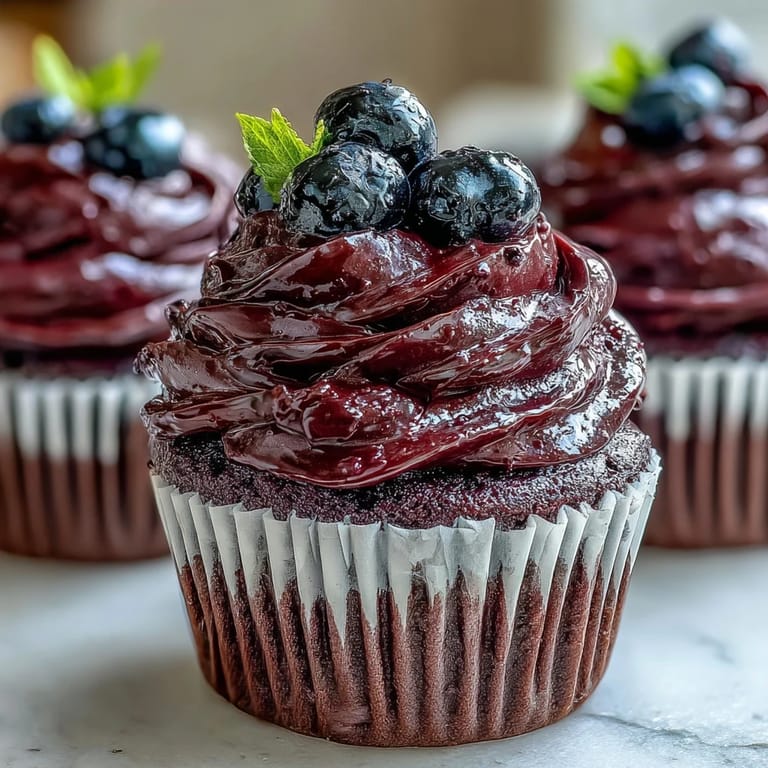
- Fresh black currants (for garnish, optional): A few scattered on top turn this from pretty to stunning.
Tired of Takeout? 🥡
Get 10 meals you can make faster than delivery arrives. Seriously.
One email. No spam. Unsubscribe anytime.
Instructions
- Loosen the jam gently:
- Pour your black currant jam into a small saucepan with a tablespoon of water and warm it over low heat, stirring occasionally until it's smooth and pourable, about 2–3 minutes. The jam should flow easily from a spoon but still hold its deep color—you're loosening it, not cooking it down further. Let it cool completely before moving on; warm jam will melt your butter and ruin the texture.
- Cream the butter until it's cloud-like:
- In a large bowl, beat softened butter with an electric mixer on medium speed for a full 2–3 minutes until it's pale, fluffy, and almost mousse-like. This step isn't about rushing; you're incorporating air that will make your frosting light instead of dense.
- Add the sugar gradually and with patience:
- Turn the mixer to low speed and add your sifted powdered sugar in three or four additions, beating briefly between each one and scraping down the bowl as needed. This prevents a snowstorm of powdered sugar and ensures even distribution.
- Season with vanilla and salt:
- Mix in the vanilla extract and a small pinch of salt—these seem small but they're what prevent the frosting from tasting like sweetened butter alone.
- Fold in the cooled black currant mixture:
- With the mixer on low, pour in your cooled jam reduction and beat until the color is even and the frosting is completely smooth, scraping down the sides as you go. This is where the magic happens—watch the pale frosting turn a gorgeous deep purple-pink.
- Taste and adjust:
- If the frosting tastes flat, add lemon juice a half teaspoon at a time and beat it in; if it's too soft to spread, chill it for 10–15 minutes. Everyone's jam is slightly different, so trust your palate here.
- Frost your cooled cake or cupcakes:
- Use an offset spatula or the back of a spoon to spread the frosting smoothly, or pipe it decoratively if you're feeling fancy. If you're garnishing with fresh currants, press them gently into the frosting while it's still soft.
 Save
Save There was a moment, testing batches of this frosting, when I realized I was tasting the difference between a recipe and something I actually wanted to make again and again. The tanginess of the currants against the sweetness, the way it didn't feel heavy even though it's butter-based—it felt like the kind of frosting you'd find in a proper European patisserie, not something cobbled together at home. That feeling hasn't faded, even now.
Getting the Texture Right
Frosting consistency is one of those things that changes based on your kitchen's temperature and humidity, which is annoying but manageable once you understand what you're looking for. If your frosting comes together and feels like soft butter that holds peaks when you lift the beaters, you're in the sweet spot. Too stiff and it'll tear delicate cake layers; too soft and it'll slide around like it has no backbone at all. The chilling tip in the recipe isn't just about making it easier to spread—it's about giving the butter a chance to reset so it holds its shape.
Why Seedless Jam Works Best
I've made this frosting with both seedy and seedless preserves, and while both taste wonderful, the seedless version creates a frosting with an almost glossy finish that catches light beautifully. Seedy jam isn't a dealbreaker—just strain it through a fine mesh sieve before warming it—but if you have access to seedless black currant preserves, they're worth hunting for. The difference is subtle but real, like the difference between velvet and corduroy.
Pairing This Frosting with Cakes
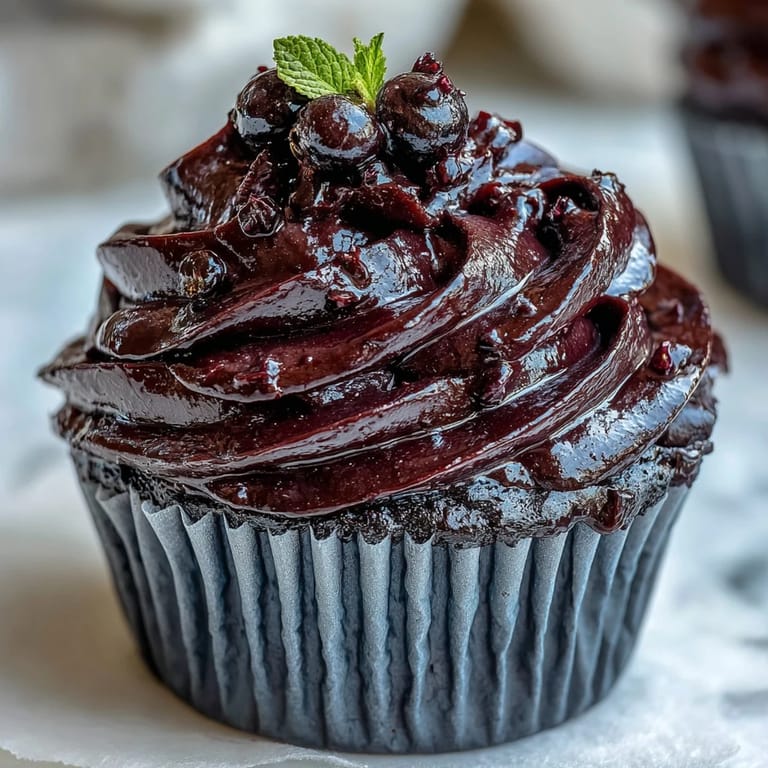
Black currant frosting is surprisingly versatile, which is one of my favorite discoveries about it. It loves a tender vanilla cake because the frosting gets to be the star, but it's equally at home on lemon cake where the tartness echoes the frosting's own brightness, or even on a simple chocolate cake where it adds a sophisticated berry contrast. Don't be afraid to experiment—the frosting is confident enough to play well with different flavors.
- Vanilla cake lets the frosting shine without competing flavors in the picture.
- Lemon cake creates a beautiful tartness duet that feels almost Scandinavian in its brightness.
- Chocolate cake gets balanced by the black currant's tangy sweetness, creating something unexpectedly elegant.
 Save
Save This frosting has taught me that sometimes the simplest combinations—butter, sugar, and a beautiful ingredient—are exactly enough to make something memorable. It's become the frosting I make when I want to feel like I'm in a proper kitchen, not just following a formula.
Recipe Help
- → Can I use fresh black currants instead of jam?
Fresh currants work well but require additional cooking time. Simmer 1 cup fresh currants with 2 tablespoons sugar and 1 tablespoon water until thickened, then strain before cooling and incorporating into the frosting base.
- → How do I adjust the consistency?
Add more sifted powdered sugar for a stiffer frosting suitable for piping detailed decorations. For a smoother, spreadable consistency, incorporate 1-2 teaspoons of milk or cream until reaching your desired texture.
- → Will this frosting hold up in warm weather?
Butter-based frostings can soften in heat. For warm conditions, add extra powdered sugar to stabilize or refrigerate frosted items until serving. The fruit reduction also helps maintain structure better than plain buttercream.
- → Can I make this frosting ahead of time?
Yes, prepare up to 5 days in advance and store refrigerated in an airtight container. Bring to room temperature and re-whip with an electric mixer before frosting for the best consistency and smoothest application.
- → What flavors complement black currant frosting?
The tart berry profile pairs excellently with vanilla, almond, lemon, or chocolate cake bases. White chocolate or cream cheese fillings also harmonize beautifully with the tangy-sweet notes of the currant reduction.