 Save
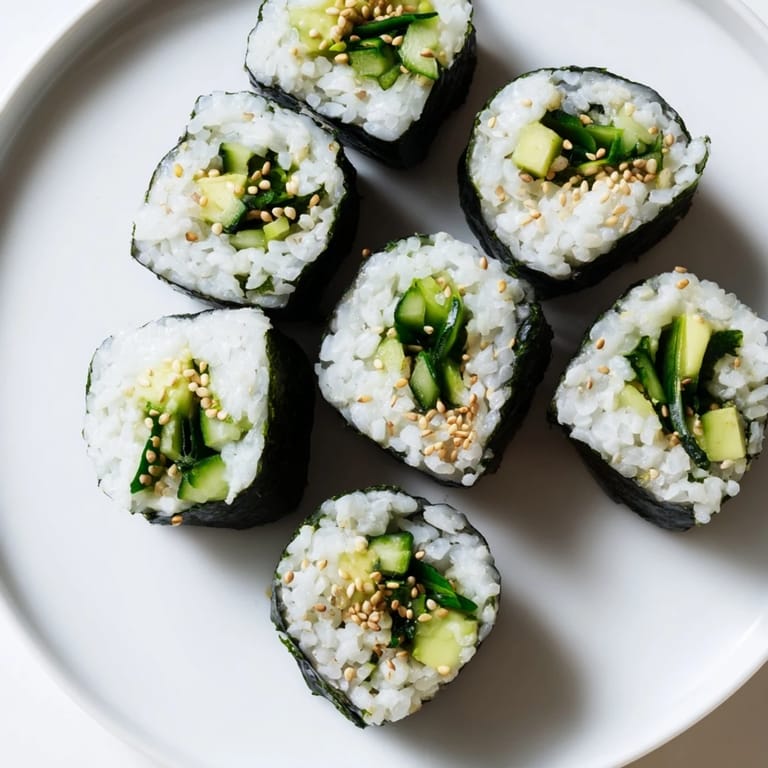
Save I used to think sushi was this untouchable art form until a friend showed me how simple veggie rolls could be. One rainy Saturday, we spread out a bamboo mat on my kitchen counter, laughed through lopsided first attempts, and by the third roll, I was hooked. The combination of cool cucumber and buttery avocado wrapped in sticky rice felt like a small victory. Now I make these whenever I need something fresh and light, and every slice reminds me that some of the best meals come from trying something new.
The first time I brought these to a potluck, I was nervous they would fall apart in transit. I packed them in a shallow container lined with damp paper towels, and they arrived perfectly intact. Watching friends reach for seconds and ask for the recipe made me realize how much people crave something fresh and homemade, even if it looks fancy.
Ingredients
- Sushi Rice: Short grain rice becomes sticky and tender when cooked, holding the roll together without falling apart.
- Rice Vinegar: This gives the rice that signature tangy sweetness and keeps it from tasting flat.
- Sugar and Salt: Balancing the vinegar with a touch of sugar and salt transforms plain rice into something you could eat on its own.
- Nori Sheets: Toasted seaweed adds a subtle ocean flavor and wraps everything into neat, sliceable rolls.
- Avocado: Choose ripe but firm avocados so the slices hold their shape and bring creamy richness to each bite.
- Cucumber: Julienned cucumber adds crunch and a refreshing contrast to the soft rice and avocado.
- Carrot: Optional but worth it for extra color and a slight sweetness that plays well with the other fillings.
- Toasted Sesame Seeds: A sprinkle adds nutty flavor and a tiny bit of texture that makes each piece feel complete.
- Soy Sauce or Tamari: For dipping, tamari keeps things gluten free while delivering that salty umami kick.
- Pickled Ginger and Wasabi: These are optional but they cleanse your palate and add a little heat if you are in the mood.
Tired of Takeout? 🥡
Get 10 meals you can make faster than delivery arrives. Seriously.
One email. No spam. Unsubscribe anytime.
Instructions
- Rinse the Rice:
- Run cold water over the sushi rice in a fine mesh strainer, swishing it around until the water runs clear. This removes excess starch and keeps the grains from turning gummy.
- Cook the Rice:
- Combine the rinsed rice and water in a saucepan, bring to a boil, then cover and simmer on low for 18 to 20 minutes until the water is absorbed. Let it rest off the heat for 10 minutes so the grains finish steaming and become perfectly tender.
- Season the Rice:
- Whisk together rice vinegar, sugar, and salt in a small bowl, then gently fold the mixture into the warm rice. Let it cool to room temperature so it is easier to handle and won't make the nori soggy.
- Prepare the Rolling Station:
- Lay a sheet of nori shiny side down on a bamboo mat lined with plastic wrap. Keep a small bowl of water nearby to wet your hands and prevent sticking.
- Spread the Rice:
- With damp hands, evenly press a quarter of the seasoned rice onto the nori, leaving a one inch border at the top edge. Press gently so the rice sticks but doesn't compact too much.
- Add the Fillings:
- Arrange avocado, cucumber, and carrot in a neat line along the bottom edge of the rice. Sprinkle with sesame seeds if you want a little extra flavor and crunch.
- Roll It Up:
- Using the mat, lift the bottom edge and roll tightly away from you, applying gentle pressure to shape a compact cylinder. Moisten the top border with a fingertip of water to seal the roll closed.
- Slice and Serve:
- With a sharp knife dipped in water, cut each roll into 6 to 8 pieces, wiping the blade between cuts. Arrange on a plate with soy sauce, pickled ginger, and wasabi on the side.
 Save
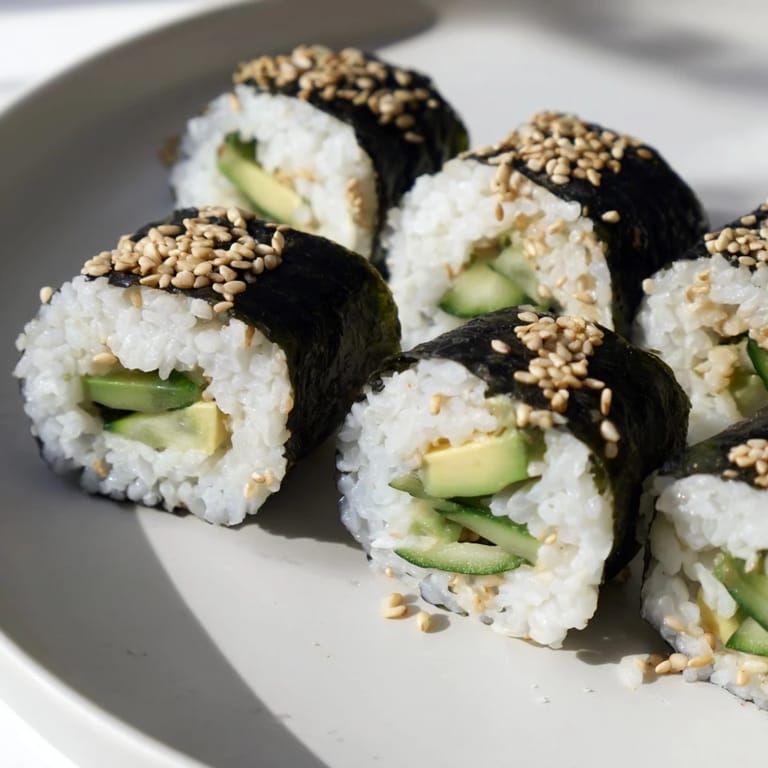
Save One evening I made these for myself after a long day, slicing them slowly and savoring each piece with a little wasabi. The quiet rhythm of rolling and cutting felt meditative, and I realized that making sushi at home is as much about the process as the result. It turned an ordinary weeknight into something a little special.
Choosing Your Fillings
While avocado and cucumber are the classic base, you can swap in thinly sliced bell pepper, radish, or even mango for a sweet twist. I have added marinated tofu strips when I wanted extra protein, and once I rolled in some pickled daikon just to use up leftovers. The beauty of veggie rolls is that they are forgiving and fun to customize based on what is in your fridge.
Getting the Rice Right
Sushi rice is stickier and slightly sweeter than regular steamed rice, and that texture is what holds everything together. If you skip the vinegar seasoning, the rolls will taste bland and fall apart more easily. I learned this the hard way on my second attempt when I rushed and forgot to mix in the vinegar, ending up with rice that tasted like plain leftovers. Now I always taste a spoonful before spreading it on the nori, adjusting the sugar or salt if needed.
Serving and Storing Tips
Sushi tastes best the day you make it, but if you need to prep ahead, you can roll them a few hours early and cover them with a damp towel in the fridge. Just slice them right before serving so the edges stay neat. Leftover pieces can be stored in an airtight container for up to a day, though the nori may soften a bit. I have also packed these for lunch in a small bento box, and they held up surprisingly well as long as I kept them cool.
- Serve with a small dish of tamari for dipping and a side of pickled ginger to cleanse your palate between bites.
- If you want to make it a full meal, add a simple miso soup and a crisp seaweed salad on the side.
- Leftover seasoned rice can be shaped into onigiri or eaten as a snack with a sprinkle of furikake.
 Save
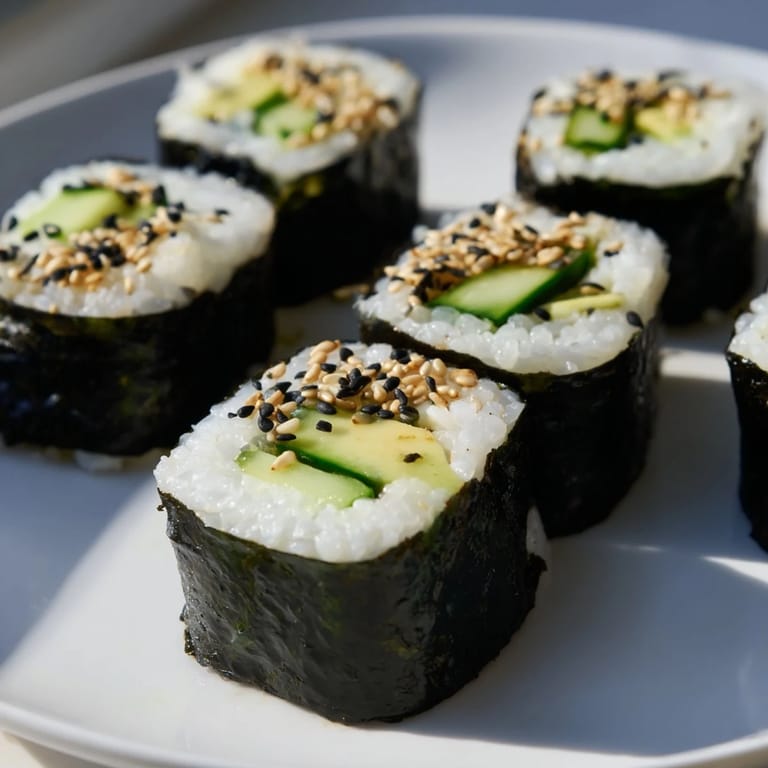
Save Making sushi at home used to feel intimidating, but now it is one of my favorite ways to unwind and create something beautiful from simple ingredients. I hope these rolls bring you the same quiet joy they bring me, one perfect slice at a time.
Recipe Help
- → How do you prevent sushi rice from becoming soggy?
Rinse the rice thoroughly until water runs clear to remove excess starch, and drain well before cooking. Let it cool to room temperature before spreading on the nori to avoid sogginess.
- → Can I use other vegetables in these rolls?
Yes, bell peppers, radish, or even thin strips of tofu can add variety and protein while maintaining the fresh texture.
- → What is the best way to roll sushi tightly?
Use a bamboo mat lined with plastic wrap, press firmly but gently as you roll to compact the ingredients, and moisten the edge of the nori to seal the roll.
- → How should sushi rolls be sliced cleanly?
Use a sharp knife dipped in water before each cut to prevent sticking and ensure clean slices.
- → Is it necessary to use sushi rice vinegar mix?
Yes, the mixture of rice vinegar, sugar, and salt enhances flavor and gives the rice its characteristic slightly tangy and balanced taste.